Question
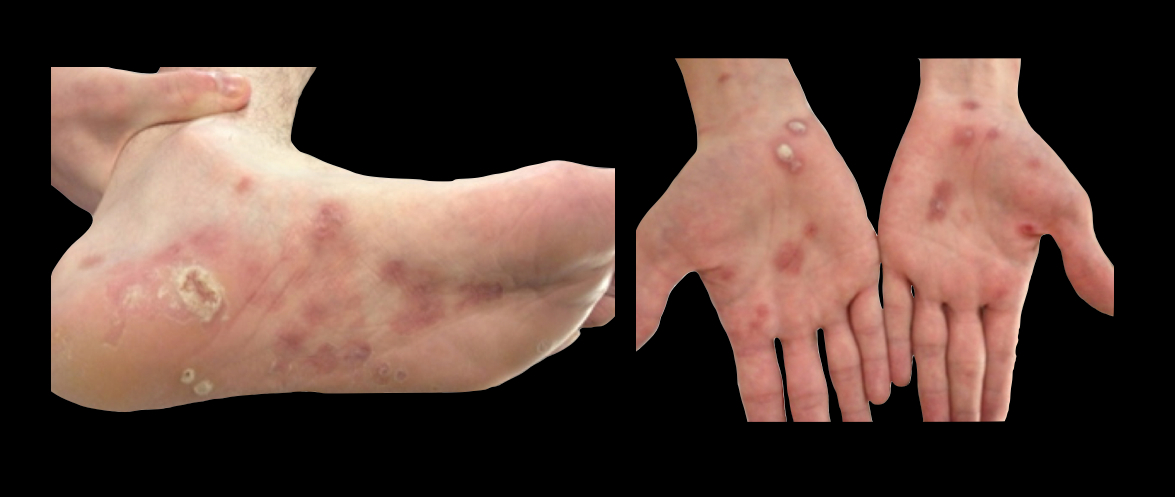
23 year-old patient presents with a rash on his palms and soles. He also states that he had a something strange on his genitals several weeks before. What's the diagnosis and what’s the treatment (including dosing) for this disease?
General Information:
-MERS-CoV (Middle East Respiratory Syndrome) is a novel coronavirus that produces a SARS-like syndrome. (You might have seen a pearl about this from us in March...)
-Since that time there have been a total of 102 laboratory-confirmed cases with 42 deaths (almost half!)
-All known cases had links to the Arabian Peninsula, although there has been some local non-sustained transmission
Relevance to the EM Physician: Consider MERS-CoV in patients with SARS-like syndrome who have traveled or had contact with someone who has traveled to the Arabian Peninsula within the past 14 days.
Bottom Line: Ask about recent travel in patients with severe acute respiratory illness. If you suspect MERS-CoV, contact your local health department.
University of Maryland Section of Global Emergency Health
Author: Andi Tenner, MD, MPH
Background
Trial
Results
Conclusions
Bottom Line:
23 year-old patient presents with a rash on his palms and soles. He also states that he had a something strange on his genitals several weeks before. What's the diagnosis and what’s the treatment (including dosing) for this disease?
We will all see a patient that comes into the Emergency Department stating they have ingested some wild or self-picked mushrooms. Usually they will be actively vomiting and there will be no mushroom to identify. If there is, identification may still be difficult. There are no other clinical relevant symptoms that you can see until its too late. Amanita species is lethal and may require liver transplant. The most important question you can ask after trying to identify the mushroom is:
When did you eat the mushroom and how long after did the vomiting start?
As a general rule (with some exceptions), Amanita species cause vomiting and diarrhea in a delayed fashion 5-6 hours after ingestion. The other non hepatotoxic species usually cause vomiting within 1-3 hours.
Immediate vomiting <6 hrs from time of ingestion is good (usually).
General Information:
·You must know the diagnosis to deliver effective and high quality care to patients; likewise for health systems to be effective, it is necessary to understand what the global burden of disease is.
·In 1991, the World Bank and World Health Organization launched the Global Burden of Disease Study which as of 2010 evaluates 291 disease and injuries as well as 1160 sequelae of these causes.
·In order to compare the burden of one disease with that of another, you must consider death and life expectancy of persons affected by the disease as well as disability imposed by the condition.
·The combined composite summary metric is termed disability adjusted life years (DALYs).
·There have been three major worldwide studies to date (1990, 2005, 2010) attempting to quantify the burden of disease yet no study to date has ever attempted to quantify the burden of disease requiring emergent intervention.
Bottom Line:
DALYs are a useful tool for quantifying the burden of disease and provides essential input into health policy dialogues to identifies conditions and risk factors that may be relatively neglected and others for which progress is not what was expected. To date, there has been no rigorous scientific effort to quantify the burden of disease worldwide that requires emergent intervention to avoid death and disability.
University of Maryland Section of Global Emergency Health
Author: Emilie J. B. Calvello, MD, MPH
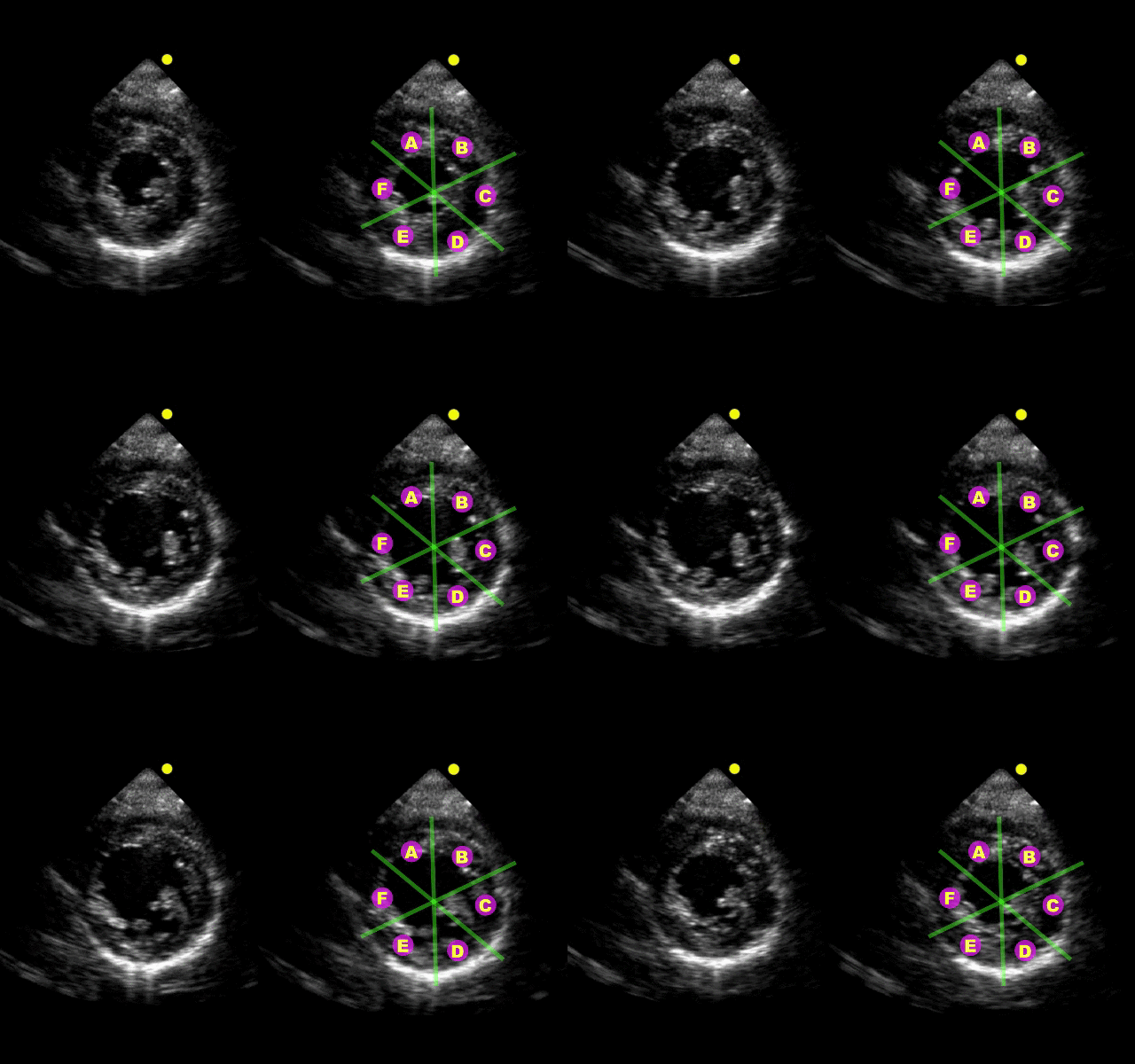
Which echocardiographic view of the heart is this and can you name all 6 segments of the left ventricle? (Hint: A = Anteroseptal wall)
Charcot Joint - Neuropathic arthropathy
A Charcot Joint is a progressive degeneration of a weight bearing joint that is normally seen in patients that have decreased peripheral sensation and proprioception.
Conditions associated with Charcot Joints are:
• Alcohol neuropathy
• Cerebral palsy
• Diabetes mellitus
• Spinal Cord Injury
• Strokes
• Syphilis (tabes dorsalis)
The foot is most commonly affected and radiographs can also show bony destruction, bone resorption, and gross deformity. The onset of pain and deformity is typically insidious. Charcot joints are often associated with ulcerations, secondary osteomyelitis, and can lead to amputations.
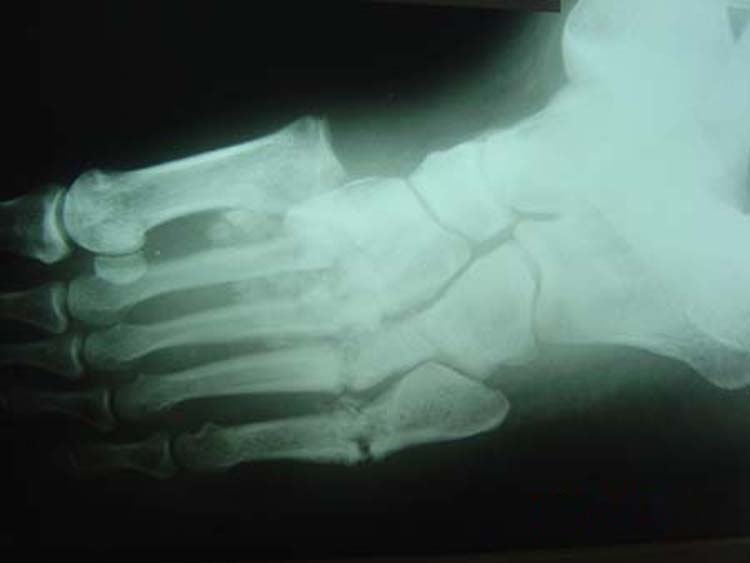
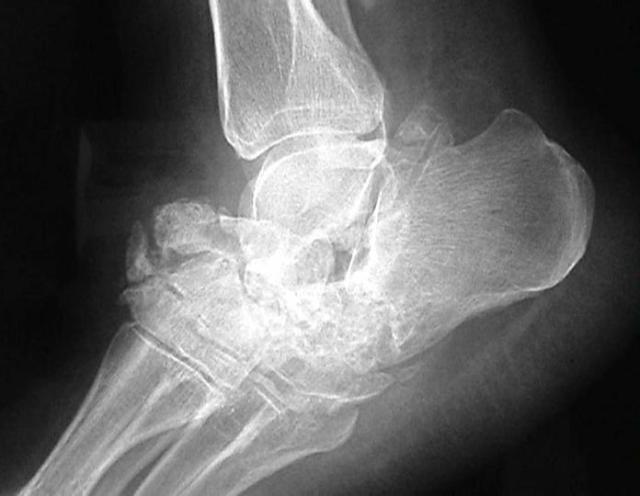
It is important to recognize the presence of a Charcot Joint so that the patient can be referred to Orthopaedics and treated (often with cast immobilization) to prevent further destruction of the joint.
A facial laceration on a child can present a unique challenge which is not limited to the initial visit. The traditional teaching has been to use nonabsorbable sutures and have the patient return in 5 days for removal. A recent study compared the cosmetic outcome of linear facial lacerations 1 to 5 cm that were closed with either Ethicon fast absorbing surgical gut or monocryl nonabsorbable sutures. Patients were randomized and returned to the ED in 4-7 days and 3-4 months. Scars were assessed by caregivers and blinded physicians. Results showed that caregivers preferred absorbable sutures. Visual analog scores as given by caregivers were not statistically different between the 2 groups at the 3 month mark. The blinded physicians did give better cosmetic outcome scores to the absorbable suture group which differs from previous studies that had shown equivocal results. Of note, all absorbable sutures were no longer visible after 14 days.
Bottom line: Try absorbable sutures the next time you are suturing a child and the parents may be happier and you will not have to try and take out your sutures from a squirming, screaming child.
There is minimal evidence of cross-reactivity between sulfonamide antibiotics and non-antibiotics [1-4]. Despite this, the U.S. FDA-approved product information for many non-antibiotic sulfonamide drugs contains warnings concerning possible cross-reactions.
Key Findings from a New Review Article [5]:
Bottom line: You can feel safe prescribing furosemide, glyburide, and hydrochlorothiazide to your patient with an allergy to sulfamethoxazole/trimethoprim.
Other blog reference on this topic: http://lifeinthefastlane.com/2011/04/sulfa-drug-discombobulation/
General Information:
XDR TB is “extensively drug resistant tuberculosis”—resistant to isoniazid, rifampin, any fluoroquinolone, and at least one of the 3 injectable 2nd line drugs
Clinical Presentation:
- Identical to regular TB (weight loss, fevers, night sweats, cough, hemoptysis)
- Suspect in patients who are failing usual treatment
-Exposure in Eastern Europe or Russia (highest prevalence, although 84 countries have had documented XDR, including the US.)
Diagnosis:
- Plating on agar or liquid media for drug susceptibility testing
Treatment:
- Should be guided by susceptibility testing
- Isolate the patient!
Bottom Line:
XDR TB is increasing in prevalence, have a high index of suspicion in patients with persistent symptoms who are receiving treatment and isolate if any concerns.
University of Maryland Section of Global Emergency Health
Author: Andi Tenner, MD, MPH
Clostridium Difficile Associated Diarrhea and The Elderly Patient
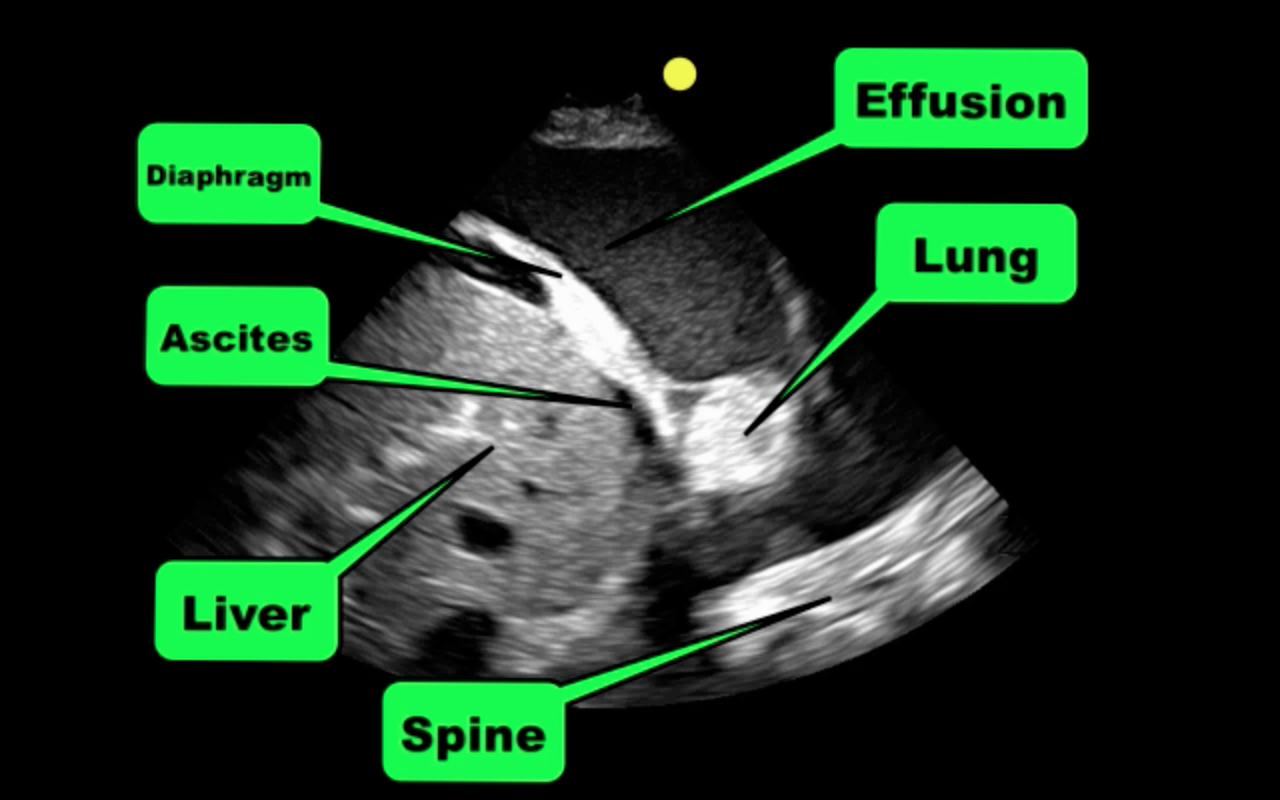
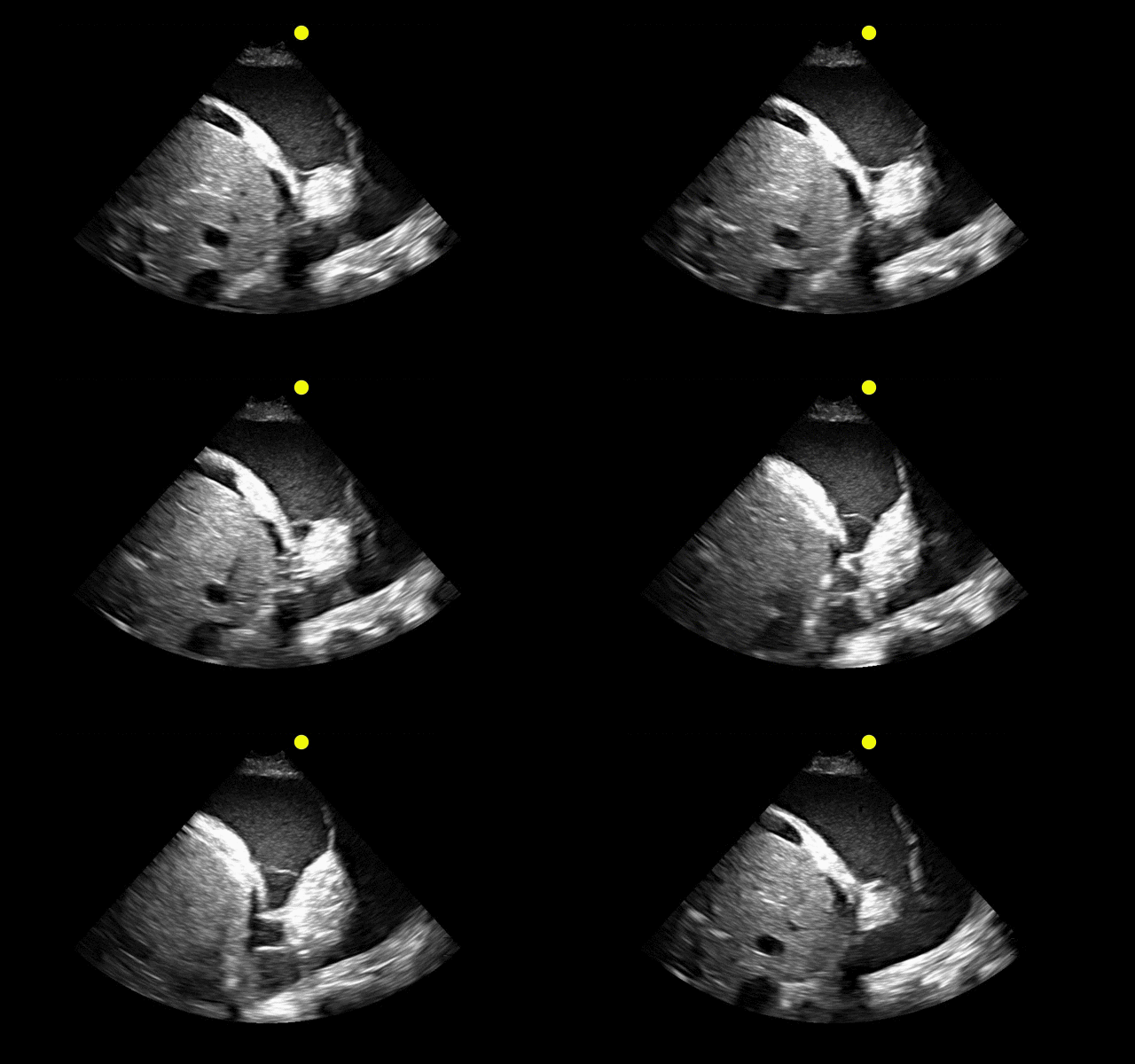
Patient with liver disease presents with dyspnea, fever, and the following ultrasound? What's the diagnosis? (Hint: there are two)?
The flexor tendons of the finger may become thickened and narrowed from chronic inflammation and irritation.
- Causes limitation in range of motion and snapping or locking during flexion
- Can involve any digit but usually the ring and the long finger
CC: pain, "catching" May awake to finger being "locked" with spontaneous resolution during the day
Stenosis occurs at the MCP level
PE: Distal flexor crease tender to palpation and may have a painful nodule
Full finger flexion is sometimes not possible
Tx: NSAIDs and steroid injection in tendon sheath. If this fails - surgical release.
Clinically important traumatic brain injuries are rare in children. The PECARN study provides decision rules for when to avoid unnecessarily obtaining a CT for children who have suffered head trauma.
For children < 2 years old: <0.02% risk of clinically important TBI
For children > 2 years old: <0.05% risk of clinically important TBI
Naloxone can be administered via pretty much any route. One that has gained popularity in the past several years is nebulized naloxone. Although anecdotal reports tout the benefits of nebulized naloxone, what does the literature say?
Bottom Line: Many of the studied patients may not have needed naloxone in the first place (initial respiratory rate 13-14), with a few developing withdrawal symptoms. Nebulized naloxone may have a role in the not-too-sick opioid overdose in whom you want to prove your diagnosis and wake the patient up enough to obtain a history. It is not a therapy for the apneic opioid overdose.
General Information:
·You must know the diagnosis to deliver effective and high quality care to patients; likewise for health systems to be effective, it is necessary to understand what the global burden of disease is.
·In 1991, the World Bank and World Health Organization launched the Global Burden of Disease Study which as of 2010 evaluates 291 disease and injuries as well as 1160 sequelae of these causes.
·In order to compare the burden of one disease with that of another, you must consider death and life expectancy of persons affected by the disease as well as disability imposed by the condition.
·The combined composite summary metric is termed disability adjusted life years (DALYs).
·There have been three major worldwide studies to date (1990, 2005, 2010) attempting to quantify the burden of disease yet no study to date has ever attempted to quantify the burden of disease requiring emergent intervention.
Bottom Line:
DALYs are a useful tool for quantifying the burden of disease and provides essential input into health policy dialogues to identifies conditions and risk factors that may be relatively neglected and others for which progress is not what was expected. To date, there has been no rigorous scientific effort to quantify the burden of disease worldwide that requires emergent intervention to avoid death and disability.
University of Maryland Section of Global Emergency Health
Author: Emilie J. B. Calvello, MD, MPH
Bad brain, good lungs.... Right?
A recent retrospective study reviewed the incidence of acute respiratory distress syndrome (ARDS) in patients presenting with spontaneous intracerebral hemorrhage over a 10-year period. After reviewing 1,665 patients, the authors found that:
It's of particular importance to note that high tidal volume ventilation (>8cc/kg) was the single greatest modifiable factor for the development of ARDS.
Bottom line: Try and use lung-protective ventilation strategies (6-8cc/kg ideal body weight) and avoid excessive volume resuscitation in your critically-ill patients whenever possible. Even in cases of isolated intracerebral hemorrhage - where the patient's lungs may appear to be completely normal - traditional tidal volume settings may be harmful.
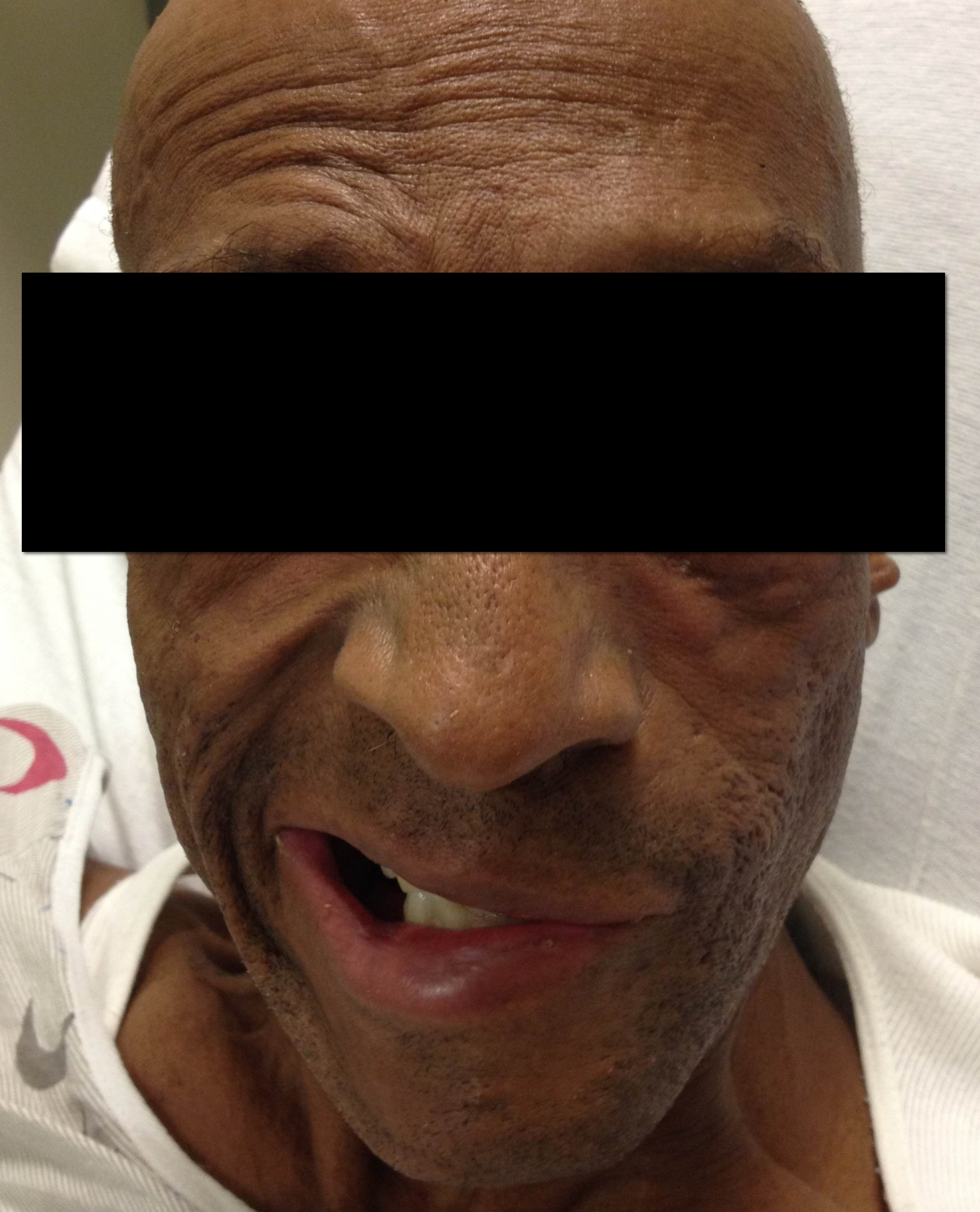
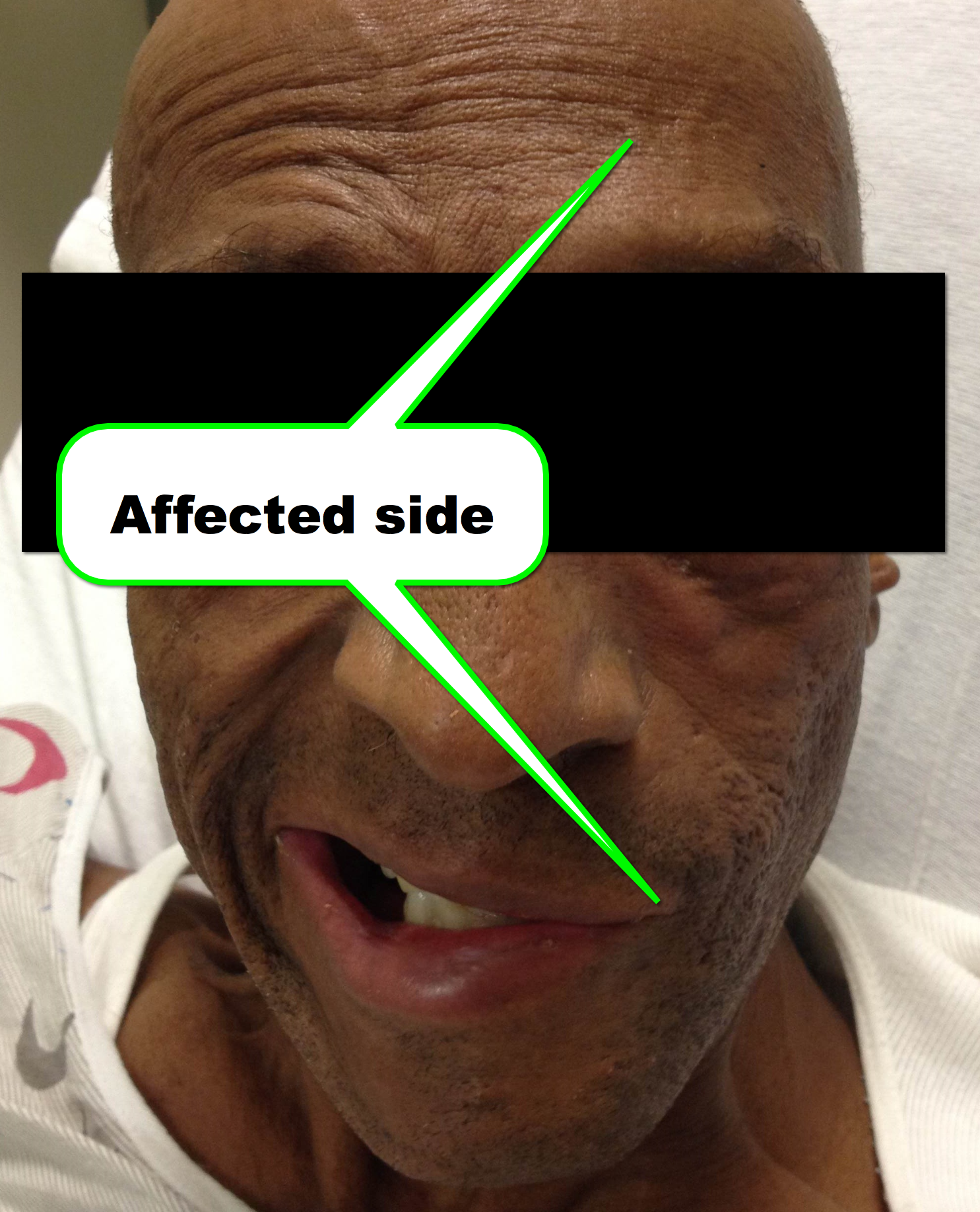
45 year-old man presents after he cannot close his left eye. In the photo below, he is trying to simultaneously raise his forehead and smile. Of note, he was also started on doxycycline recently for Lyme disease. What two medications should he receive?