Previous  |  1 |  ... |  87 |  88 |  89 |  90 |  91 |  92 |  93 |  94 |  95 |  96 |  97 |  ... |  230 |  Next

Title: Vancomycin Loading Doses in ED Not Associated with Increased Nephrotoxicity

Category: Pharmacology & Therapeutics

Keywords: vancomycin, loading dose, nephrotoxicity (PubMed Search)

Posted: 4/2/2016 by Bryan Hayes, PharmD (Updated: 4/2/2016)

Guidelines recommend loading doses of vancomycin (15-20 mg/kg, up to 30 mg/kg in critically ill patients), but the risk of nephrotoxicity is unknown. A new retrospective cohort study aimed to compare nephrotoxicity in ED sepsis patients who received vancomycin at high doses (>20 mg/kg) versus lower doses (20 mg/kg).

What They Found

Application to Clinical Practice

It appears initial loading doses of vancomcyin > 20 mg/kg do not cause increased risk of nephrotoxicity.

Show References


Title: Emergency Medicine Training in the US- How Competitive is it?

Category: International EM

Keywords: Match, training, emergency medicine, residency (PubMed Search)

Posted: 3/30/2016 by Jon Mark Hirshon, MPH, MD, PhD (Updated: 4/6/2016)

Emergency medicine remains a relatively young and developing specialty in most parts of the world.  However, it is growing in popularity, especially in the U.S.  How competitive is it currently?


For the recent 2016 Match, there were 2476 applicants for 1895 categorical emergency medicine positions from 174 programs.


Bottom Line: Emergency medicine remains a highly desired and competitive specialty in the U.S.


Congratulations to all the incoming interns for the 2016-2017 year!


Title: What is cardio-renal syndome?

Category: Critical Care

Keywords: cardiorenal syndrome, heart failure, kidney failure (PubMed Search)

Posted: 3/29/2016 by Feras Khan, MD

What is cardio-renal syndrome CRS?

There are 5 types

1. Acute CRS: abrupt worsening of heart function leading to kidney injury

2. Chronic CRS: chronic heart failure leads to progressive kidney disease

3. Acute renocardiac syndrome: abrupt kidney dysfunction leading to acute cardiac disorder

4. Chronic renocardiac syndrome: chronic kidney disease leading to decreased cardiac function

5. Systemic CRS: Systemic condition leading to both heart and kidney disease

Show References


Title: Metacarpal Fractures

Category: Orthopedics

Keywords: Metacarpal Fractures (PubMed Search)

Posted: 3/26/2016 by Brian Corwell, MD

Metacarpal Fractures

* Localize fracture to head, neck or shaft (neck most common)

5th metacarpal most commonly fractured

* Note amount of angulation, shortening and the presence of malrotation

*Treatment is based on which metacarpal is fractured and the location of the fracture

*The amount of acceptable angulation varies by the digit involved

For example for index and long finger - acceptable angulation of the shaft is 10-20 degrees and neck is 10 to 15 degrees

Whereas for the 5th digit - acceptable angulation for the shaft is 40 degrees and neck is 50 degrees

Pearls

No degree of malrotation is acceptable (document the absence of this!)

Strongly suspect fight bite injury with abrasions/lacerations overlying metacarpal heads

Highly prone to infection given the proximity to the joint capsule

Consider lacerations over metacarpal fractures as open fractures (do not close/discuss management with hand surgery re timing of washout. Many prefer delayed fixation for suspected infections )

Document integrity of the extensor tendon (can be lacerated and retracted)


Title: Epilepsy in the Elderly: Is it Different?

Category: Neurology

Keywords: geriatrics, seizures, mimics, TIA, syncope (PubMed Search)

Posted: 3/23/2016 by Danya Khoujah, MBBS

Epilepsy in older adults is common, with an incidence equal to (if not higher) than infants.
The most common type is focal seizures, with strokes and neurodegenerative diseases being the most common underlying causes.
Management of epilepsy in the elderly is challenging because of many reasons:
- A large number of disorders may mimic seizures, and 25-50% of patients with presumed epilepsy end up diagnosed with non-epileptic events, such as tremor, non-epileptic myoclonus, syncope, confusion, agitation, cataplexy and limb-shaking TIAs.
- Status epileptics in the elderly has double the incidence of the general population and a significantly higher mortality rate.
- The role of newer anti-epileptics (drugs other than benzodiazepines, phenytoin and phenobarbital) is unclear due to lack of adequate studies in this age group.
- Antiepileptic drug clearance (both renal and hepatic) is affected by normal physiological changes in this age group, increasing the side effects and decreasing tolerance, even to doses lower than usual.

Show References


Title: Cerebral Venous Thrombosis

Category: Critical Care

Posted: 3/22/2016 by Mike Winters, MBA, MD

Cerebral Venous Thrombosis

Show References


Title: NSAIDs and Osteoarthriits

Category: Orthopedics

Keywords: osteoarthritis, nsaids (PubMed Search)

Posted: 3/20/2016 by Michael Bond, MD (Updated: 3/10/2026)

A meta-analysis of 74 randomized trials with a total of 58,556 patients was recently published in the Lancet that looked at the effectiveness of NSAIDs in the treatment of osteoarthritis (OA) pain.

Briefly, their conclusion was that:

  1. Acetaminophen is ineffective as a single-agent in the treatment of OA.
  2. Diclofenac 150 mg/day had best evidence to support it as the most effective NSAID available presently with respective to its effectiveness in relieving pain and improving function.
  3. They found no evidence that treatment effects varied over the duration of treatment ( no tolerance)
     

You can find the article here http://www.thelancet.com/journals/lancet/article/PIIS0140-6736%2816%2930002-2/abstract

Show References


Title: End tidal capnography to exclude DKA in children and adults

Category: Pediatrics

Keywords: End tidal capnography, diabetic ketoacidosis (PubMed Search)

Posted: 3/19/2016 by Jenny Guyther, MD

A previous pearl has looked at serum HCO3 as a predictor of DKA (see pearl from 8/21/15). The article by Gilhotra looks at using end tidal CO2 (ETCO2) to exclude DKA. 58 pediatric patients were enrolled with 15 being in DKA. No patient with ETCO2 > 30 mmHg had DKA. Six patients with ETCO2 < 30 mmHg did not have DKA. Other studies done in children have shown similar results.

An article recently published by Chebl and colleagues examined patients older than 17 years with hyperglycemia. In this study, 71 patients were included with 32 having DKA. A ETCO2 >35 excluded DKA in this group while a level <22 was 100% specific for DKA.

Bottom line: ETCO2 >35 mmHg is a quick bedside test that can aid in the evaluation of hyperglycemic patients.

Show References


Title: Cutaneous Larva Migrans- What is it?

Category: Infectious Disease

Keywords: Rash, Cutaneous larva migrans, nematode, tropics (PubMed Search)

Posted: 3/16/2016 by Jon Mark Hirshon, MPH, MD, PhD

Cutaneous larva migrans (CLM) is an acquired dermatosis


Clinical manifestations:


Treatment:


Bottom Line:

Show References

Attachments


Title: Clevidipine for Hypertensive Emergencies

Category: Critical Care

Keywords: Pharmacology, Hypertension, Vasoactive (PubMed Search)

Posted: 3/15/2016 by Daniel Haase, MD

There are multiple vasoactive infusions available for acute hypertensive emergencies, many having serious side effect profiles or therapeutic disadvantages.

Clevidipine (Cleviprex) is rapidly-titratable, lipid-soluable dihydropyridine calcium channel blocker which has become increasingly used in the ICU in recent years [1]:

ECLIPSE trial compares clevidipine, nicardipine, nitroglycerin and nitroprusside in cardiac surgery patients. .

Clevidipine was as effective as nicardipine at maintaining a pre-specified BP range, but superior when that BP range was narrowed (also studied in ESCAPE-1 and ESCAPE2 with similar results) [2-3]

TAKE-HOME: Clevidipine is an ultra short-acting, rapidly-titratable vasoactive with favorable cost, pharmacokinetics, and side-effect profile. Consider its use in hypertensive emergencies.

Show References


Title: Femoral neck fractures

Category: Orthopedics

Keywords: X-ray, Hip pain (PubMed Search)

Posted: 3/12/2016 by Brian Corwell, MD

Femoral neck fracture

We typically think of the presentation of the displaced fracture severe pain, writhing in the bed, unable to ambulate, limited ROM

* However, patients with nondisplaced fractures (15 20%) may walk with a limp

* Occurs primarily in the elderly & osteoporotic population after a fall directly onto the hip

* Look for a cortical step-off in the femoral neck (w/ foreshortening)

* A patient with a minimally displaced fracture may only complain of hip, knee, or groin pain and may be able to walk (albeit with a limp)

* Almost 9% of hip fractures are radiographically normal (Nondisplaced or impacted fractures)

* Fractures which were initially nondisplaced, may become displaced upon re-presentation

* Remember the limitations of plain x-ray in the evaluation of femoral neck fractures!

* Because of the significant complication of overlooking a femoral neck fracture, MRI has become the recommended imaging modality of choice for a patient with a high suspicion for a femoral neck fracture, despite normal plain radiographs of the hip


Title: Treatment of Acute Cocaine Cardiovascular Toxicity

Category: Toxicology

Keywords: cocaine, toxicity, cardiovascular (PubMed Search)

Posted: 3/10/2016 by Bryan Hayes, PharmD (Updated: 3/12/2016)

Acute cocaine toxicity can manifest with several cardiovascular issues such as tachycardia, dysrhythmia, hypertension, and coronary vasospasm. A new systematic review collated all of the available evidence for potential treatment options. Here is what the review found (there is also an 'other agents' section for medications with less published reports):

The authors note that "publication bias is a concern, and it is possible that successful treatment and/or adverse events have not been reported in some of the publications, and in general."

Show References


Title: Sunset Eye Sign

Category: Neurology

Keywords: Up-gaze paresis, ophthalmoparesis, hydrocephalus, shunt malfunction (PubMed Search)

Posted: 3/9/2016 by WanTsu Wendy Chang, MD


Sunset Eye Sign


Title: Should we add VTI at the bedside?

Category: Critical Care

Posted: 3/8/2016 by Haney Mallemat, MD

Show References


Title: New Guideline for Convulsive Status Epilepticus in Adults and Children

Category: Pharmacology & Therapeutics

Keywords: status epilepticus (PubMed Search)

Posted: 3/5/2016 by Bryan Hayes, PharmD (Updated: 3/5/2016)

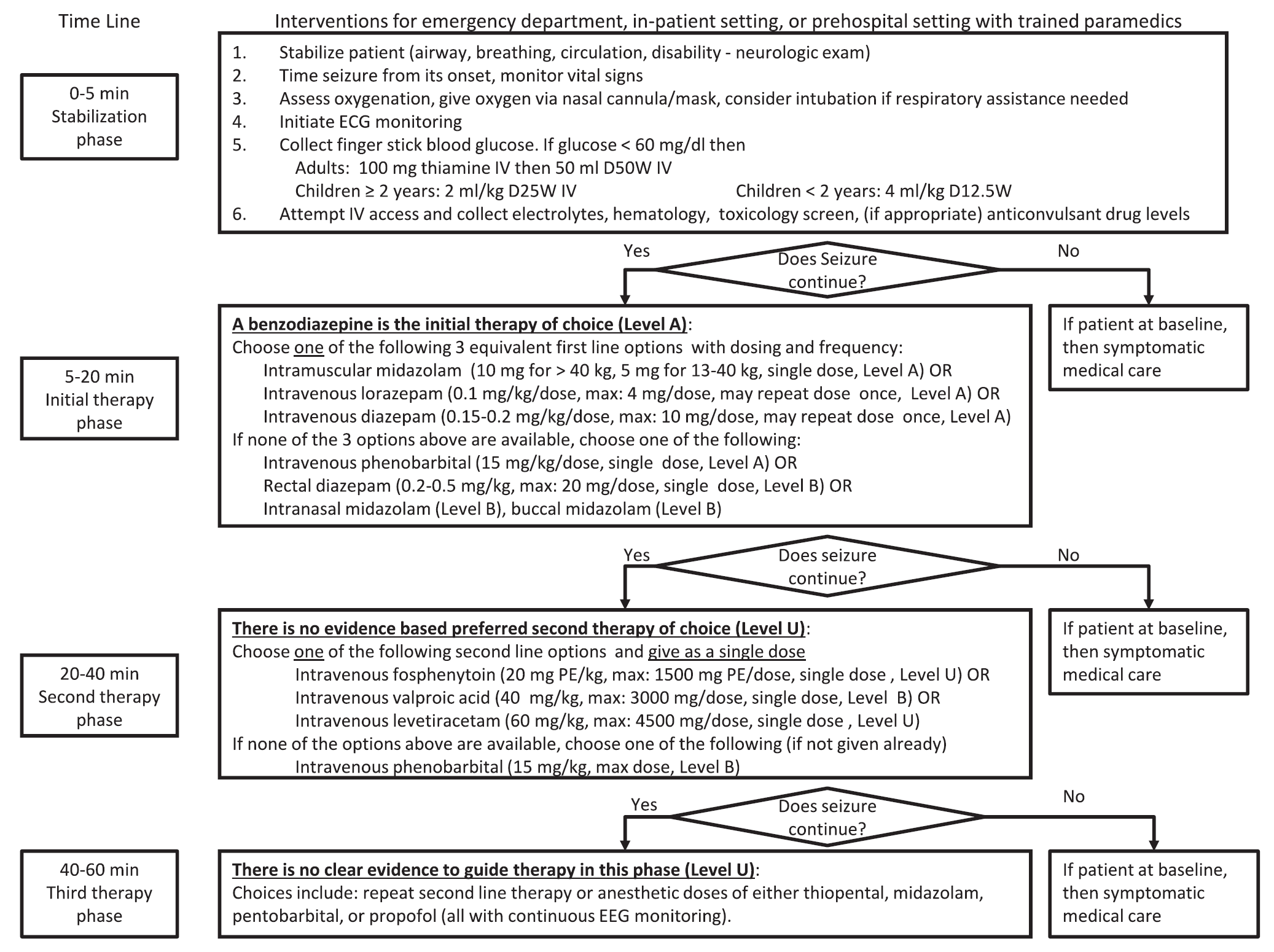
A new guideline for convulsive status epilepticus in adults AND children was recently published. [1] An insightful commentary was published alongside it (both are open access). [2] The proposed algorithm is below. Here are a few additional points to note:

Show References


Title: Super Potent Opioid Street Drugs

Category: Toxicology

Keywords: Fentanyl, W-18, Clandestine (PubMed Search)

Posted: 3/4/2016 by Kathy Prybys, MD

Pure opioid agonists such as Morphine, Hydromorphone, and Fentanyl stimulate opioid receptors and are the most potent analgesics. Fentanyl and fentanyl analogues are up to 100 times more powerful than morphine and 30-50 times more powerful than heroin.

W-18 is a highly potent opioid agonist with a distinctive chemical structure which is not closely related to older established families of opioid drugs. While Fentanyl is approximately 100 times more powerful than Morphine, W-18 is about 100 times more powerful than Fentanyl.

Show References


Title: What Patients are at High Risk for Flu-Related Complications?

Category: International EM

Keywords: Infectious diseases, influenza (PubMed Search)

Posted: 3/2/2016 by Jon Mark Hirshon, MPH, MD, PhD

While the flu season this year has been mild, it is still important to recognize which patients are at high risk for flu-related complications:


During the influenza season, when admitting a patient who 1) has respiratory symptoms and 2) is at high risk for influenza complications, consider testing them for influenza.

Show References


Title: Trends in ARDS

Category: Critical Care

Keywords: ARDS (PubMed Search)

Posted: 3/1/2016 by Feras Khan, MD

Show References


Title: What's the Diagnosis?

Category: Visual Diagnosis

Posted: 2/29/2016 by Haney Mallemat, MD

Question

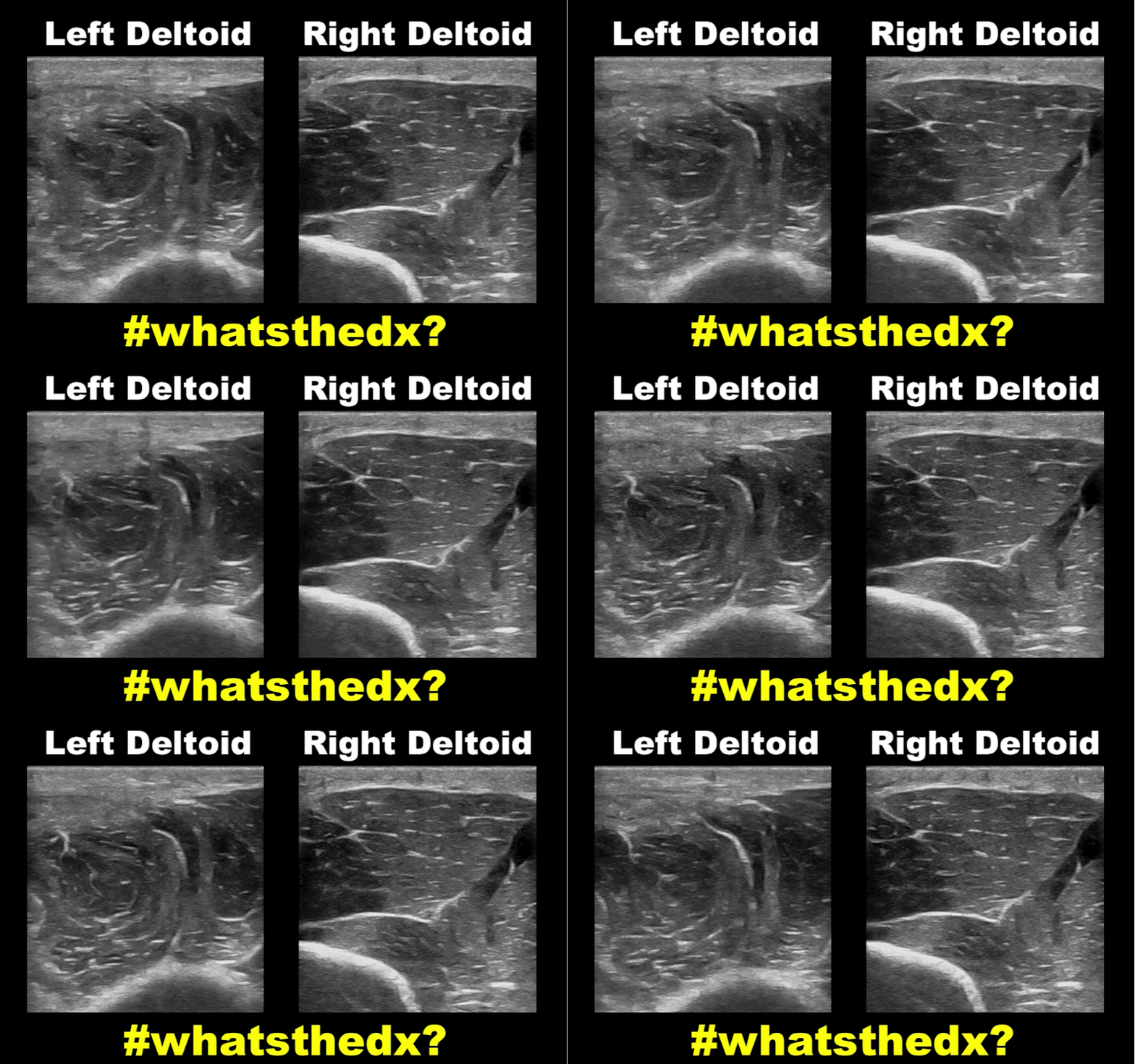
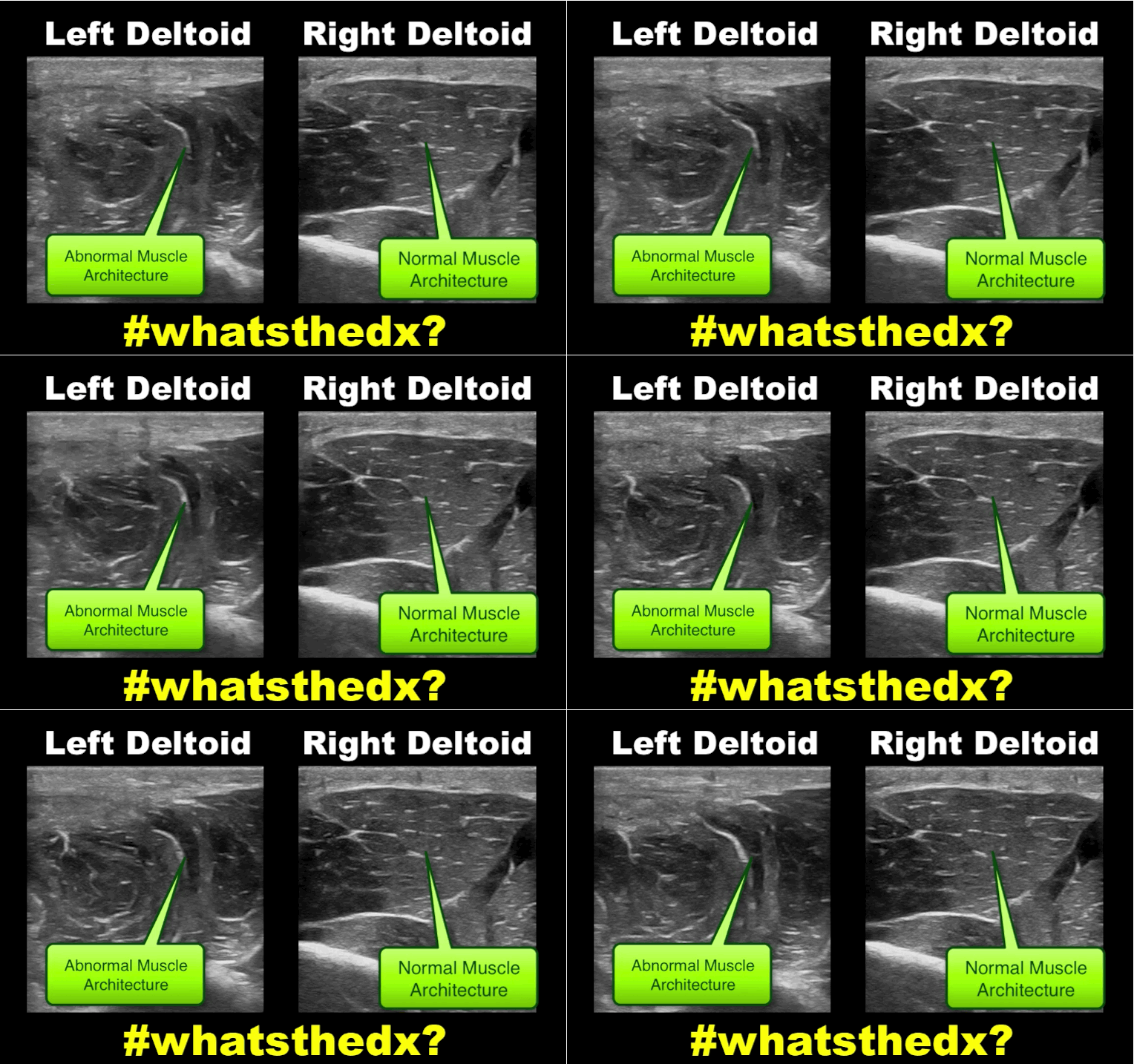
19 year-old male complaining of left arm pain one week after injecting anabolic steroids into his shoulder. What's the diagnosis?

Show Answer

Show References


Title: Achilles tendon rupture

Category: Orthopedics

Keywords: Achilles tendon rupture (PubMed Search)

Posted: 2/27/2016 by Brian Corwell, MD

Achilles tendon rupture

More common in

men, ages 30 - 40yo, s/p steroid injections, fluoroquinolone use, and episodic athletes "weekend warriors

Mechanism: usually during an athletic endeavor, sudden forced planar flexion or violent dorsiflexion of a plantar flexed foot

Location: Usually occurs 4 to 6 cm ABOVE the Achilles calcaneal insertion (hypovascular region)

Patient will report a sudden pop, gunshot like sound

History: Will report heel and calf pain and weakness/inability to walk

Physical examination: Palpable gap, weakness with plantar flexion, + Thompsons test

https://www.netterimages.com/images/vpv/000/000/007/7714-0550x0475.jpg

Consult orthopedics and splint in resting equinus

http://img.medscape.com/fullsize/migrated/408/535/mos0216.01.fig5b.jpg


Previous  |  1 |  ... |  87 |  88 |  89 |  90 |  91 |  92 |  93 |  94 |  95 |  96 |  97 |  ... |  230 |  Next