Previous  |  1 |  ... |  154 |  155 |  156 |  157 |  158 |  159 |  160 |  161 |  162 |  163 |  164 |  ... |  230 |  Next

Title: Encephalitis

Category: Neurology

Keywords: encephalitis, meningitis, acyclovir, headache, fever (PubMed Search)

Posted: 9/7/2011 by Aisha Liferidge, MD


Title: Fungal Sepsis

Category: Critical Care

Posted: 9/6/2011 by Mike Winters, MBA, MD (Updated: 3/5/2026)

Fungal Sepsis in the Critically Ill

Show References


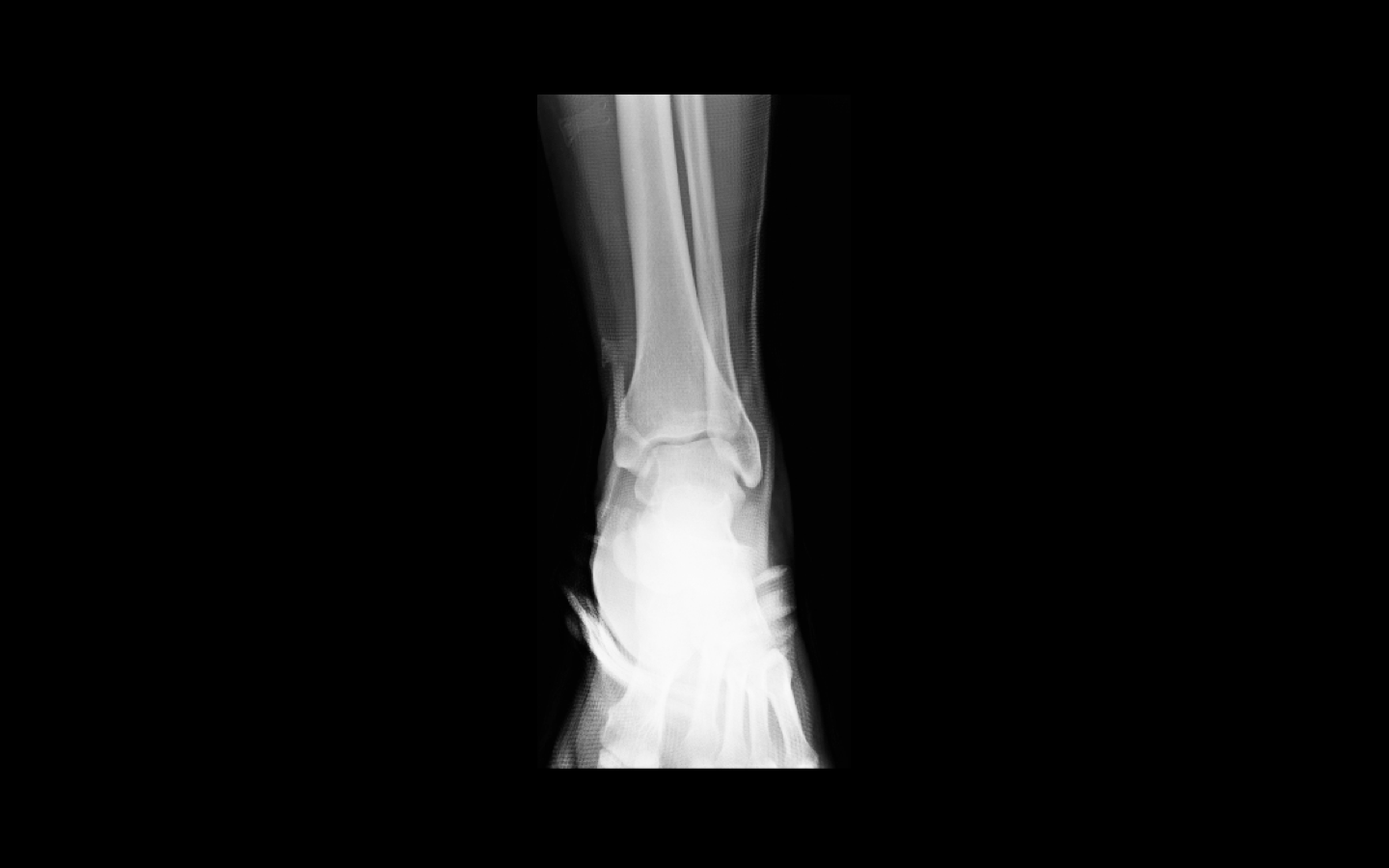
Title: What's the diagnosis? Images by Dr. Mak Moayedi

Category: Visual Diagnosis

Posted: 9/5/2011 by Haney Mallemat, MD (Updated: 8/28/2014)

Question

26 year old male presents s/p basketball dunk. Diagnosis?

Show Answer

Show References


Title: non-atherosclerotic causes of ACS

Category: Cardiology

Keywords: atherosclerosis, coronary artery disease (PubMed Search)

Posted: 9/4/2011 by Amal Mattu, MD (Updated: 3/5/2026)

Approximately 7-10% of cases of ACS are not related to atherosclerotic coronary disease. Some other causes of ACS include the following:
trauma
vasculitis
congenital abnormalities
emboli (e.g. bacterial)
thoracic aortic dissection
infectious diseases
DIC, TTP

These conditions can produce ST-segment changes that resemble those of true STEMI or non-STEMI, and therefore some of these patients are diagnosed retrospectively after a negative catheterization.


Show References


Title: Sugar Tong Splint

Category: Orthopedics

Keywords: Sugar Tong Splint (PubMed Search)

Posted: 9/3/2011 by Michael Bond, MD

Sugar Tong Splint

The sugar tong splint is ideal for splinting fractures of the radius, ulna, or wrist.  It prevents flexion and extension at the wrist, limits flexion and extension at the elbow, and prevents supination and pronation.  A posterior long arm splint does not prevent supinaton and pronation, therefore, it is of limited use for radius and ulna fractures.

The traditional sugar tong can be difficult to put on a patient without an assistant as it is often hard to hold the splint in position as you begin to ace wrap it. A variation on the sugar tong, the reverse sugar tong, prevents this frustration.  The splinting material is cut so that a small piece suspends the splint from the web space between the thumb and index finger.  The open ends at the elbow are also easily folded under each other, preventing any bulky splint material from extending out.

The reverse sugar tong is on the left, the original sugar tong on the right.

Check out this video showing how to place a reverse sugar tong splint.

http://www.youtube.com/watch?v=r-RHdttOMf0


Title: Monitoring dabigatran

Category: Pharmacology & Therapeutics

Keywords: thrombin,dabigatran,partial thromboplastin,bleeding (PubMed Search)

Posted: 9/1/2011 by Ellen Lemkin, MD, PharmD (Updated: 3/5/2026)


Dabigatran is an oral thrombin inhibitor approved for the prevention of thromboembolism in patients with atrial fibrillation and for those undergoing orthopedic surgery.
 
In normal situations, it is not necessary to monitor any laboratory values. However, in the potential overdose situation or in the event of bleeding, it would be useful to assess the anticoagulant status. 
  • The thrombin clotting time (TT) directly assesses the activity of direct thrombin inhibitors (like dabigatran), and displayes a linear dose-response curve over therapeutic concentrations. At high levels, the test frequently exceeds the maximum measurements.
  • The PT and INR are less sensitive and cannot be recommended.
  • The activated partial thromboplastin time can provide qualitative assessment of anticoagulant activity but is not sensitive at supratherapeutic doses. 
 
Bottom Line:
In emergency situations, the aPTT and TT are the most effective qualitative methods widely available for determining the presence or absence of anticoagulant effect in patients receiving dabigatran.

Show References


Title: Recognizing Delirium

Category: Neurology

Keywords: delirium (PubMed Search)

Posted: 8/31/2011 by Aisha Liferidge, MD (Updated: 3/5/2026)

  1. Hypoxia
  2. Hypoglycemia
  3. Central nervous System infections
  4. Hypertensive encephalopathy
  5. Increased intracranial pressure

Show References


Title: Tracheal Rapid Ultrasound Exam (T.R.U.E.)

Category: Critical Care

Keywords: ultrasound, tracheal intubation, esophageal intubation, critical care, airway (PubMed Search)

Posted: 8/30/2011 by Haney Mallemat, MD

Show References


Title: What's the Diagnosis?

Category: Visual Diagnosis

Posted: 8/29/2011 by Rob Rogers, MD (Updated: 3/5/2026)

Question


Patient presents with right-sided chest and shoulder pain....

What's the diagnosis?


Show Answer

Show References


Title: post arrest "coma" for hypothermia

Category: Cardiology

Keywords: therapeutic hypothermia, induced hypothermia, cardiac arrest, post arrest care (PubMed Search)

Posted: 8/28/2011 by Amal Mattu, MD (Updated: 3/5/2026)

If you're like me, you've been a bit confused about what exactly defines "coma" in the current recommendations for post-arrest hypothermia in "comatose" patients with return of spontaneous circulation. Fortunately, a recent NEJM article has helped clarify this by suggesting that hypothermia should be induced in these post-arrest patients with either:

  1. GCS < 8
  2. "patients who do not obey any verbal command at any time after restoration of spontaneous circulation and before initiation of cooling."

Naturally, if the patient was comatose before the arrest, don't bother.

Show References


Title: Knee Dislocation (part 1)

Category: Orthopedics

Keywords: knee dislocation (PubMed Search)

Posted: 8/27/2011 by Brian Corwell, MD

Stability from 4 major ligaments (ACL, PCL, MCL and LCL)

Knee dislocation causes injury to multiple ligaments (usually 3 of the above).

Many of these dislocation spontaneously reduce prior to medical evaluation.  Therefore, consider knee dislocation in a patient with multi ligament injury, significant hemarthrosis and bruising.

Vascular injury in up to 40% (popliteal artery)

Nerve injury in up to 23% (peroneal nerve) ((ankle dorsiflexion and sensation to the first web space of the foot))

After reduction, immobilize knee in 15-20 degrees flexion.

The degree of initial deformity, presence of strong pulses, or warm skin cannot be used to rule out popliteal injury.

Show References


Title: Ipratropium in severe asthma

Category: Pediatrics

Keywords: severe asthma, decreased hospitalization (PubMed Search)

Posted: 8/26/2011 by Mimi Lu, MD

Ipratropium bromide (IB, Atrovent) is most efficacious in improving symptoms and preventing hospital admissions due to severe asthma exacerbations when used early and aggressively.  Even in patients with mild to moderate exacerbations, there is also benefit in symptom reduction, decreased number of treatments and duration of treatment, and improved lung function.
 
The National Asthma Education and Prevention Program (NAEPP) consensus recommends multidose protocol of IB every 20 minutes (either 250 or 500 Kg per dose) for 3 doses, during the initial management of severe exacerbations. For those institutions who prefer to give IB by metered dose inhaler (18 Kg per puff, with face mask and spacer for children younger than 4 years),
 
 
Bottom line:
Give ipratropium bromide (atrovent) early and aggressively to decrease hospitalization rates in severe asthma exacerbation.
 
 
References:
1. Dotson K et al. Ipratropium bromide for acute asthma exacerbations in the emergency setting. PediatrEmergCare. 2009 Oct;25(10):687-92; Review.
2. National Asthma Education and Prevention Program. Expert Panel Report 3: Guidelines for the Diagnosis and Management of Asthma (Summary Report 2007). In: BusseW, ed. J Allergy Immunol. 2007;120(5):S94Y138. National Institutes of Health National Heart Lung, and Blood Institute.


Title: End Tidal CO2 and Procedural Sedation with Propofol

Category: Toxicology

Keywords: propofol (PubMed Search)

Posted: 8/25/2011 by Fermin Barrueto (Updated: 3/5/2026)

End Tidal CO2 continuous capnography is being utilized more in the ED for procedural sedation. One of the best studies is a randomized control trial using propofol that showed you could see signs of hypoventiliation prior to hypoxia by about 60 seconds - which can be plenty of time to get your BVM and airway cart ready.

Show References


Title: ROSIER Scale for Emergently Recognizing Stroke

Category: Neurology

Keywords: ROSIER scale, ischemic stroke (PubMed Search)

Posted: 8/24/2011 by Aisha Liferidge, MD (Updated: 3/5/2026)

Show References

Attachments


Title: Re-Expansion Pulmonary Edema

Category: Critical Care

Posted: 8/23/2011 by Mike Winters, MBA, MD

Re-expansion Pulmonary Edema After Chest Tube Placement

Show References


Title: What's the diagnosis? Dr. Michael Santiago

Category: Visual Diagnosis

Posted: 8/22/2011 by Haney Mallemat, MD

Question

79 y.o. male lung cancer patient with tachypnea, tachycardia, and normal blood pressure. Click here: http://vimeo.com/27973006

Possible diagnosis?

Show Answer

Show References


Title: MI in the elderly

Category: Geriatrics

Keywords: acute MI, MI, myocardial infarction, geriatrics, elderly, acute coronary syndrome (PubMed Search)

Posted: 8/21/2011 by Amal Mattu, MD

Elderly patients are high risk for missed MI because of atypical presentations. Though this seems to be relatively common knowledge, it is not always remembered. So here's a reminder....

Show References


Title: Infantile botulism

Category: Pediatrics

Keywords: weakness, constipation (PubMed Search)

Posted: 8/20/2011 by Mimi Lu, MD

Infantile botulism

- acute weakness in previously well infant < 6 months of age
- due to intestinal colonization by Clostridium botulinum, which produces neurotoxin
- spores found in soil, agricultural products and honey
 
Presentation:
initial constipation, followed by lethargy and feeding difficulties
 
Physical:
hypoactive deep tendon reflexes, decreased suck and gag, poorly reactive pupils, bilateral ptosis, oculomotor palsies, and facial weakness.
 
Diagnosis:
C. botulinum toxin in feces or isolation in stool culture (less sensitive)
 
Management:
supportive, admission to observe for respiratory compromise (77% require eventual intubation), antitoxin has resulted in anaphylaxis in infants, no additional benefit with antibiotics (although often used)


Title: Fospropofol - A Water Soluble Propofol

Category: Toxicology

Keywords: propofol, procedural sedation, fospropofol (PubMed Search)

Posted: 8/18/2011 by Fermin Barrueto

If you think the controversy was just heating up for propofol use in the Emergency Department, just wait until the new agent begins arriving to an ED near you - fospropofol. A new water soluble version of propofol, this agent will remove the problems of pain at the injection site, an easier/wider therapeutic window for sedation and allowing of long-term sedation without the heavy lipid load.

Currently, there is limited FDA approval in the US for monitored anesthesia care. I am waiting for the first paper showing its use in the ED for procedural sedation. Safety data is still growing.


     Mini-pearl: Patients allergic to soybean should either avoid propofol or undergo skin testing since the emulsion is made of soybean oil and egg lecithin. There have been reported cases of anaphylaxis after administration of propofol in patients with food allergies, peanut and birch.

Show References


Title: Structural Causes of Increased Intracranial Pressure

Category: Neurology

Keywords: tumor, dandy-walker syndrome, craniosynostosis, increased intracranial pressure, spina bifida (PubMed Search)

Posted: 8/17/2011 by Aisha Liferidge, MD

               -   Tumor - more likely if in lateral ventricles, posterior fossa, or intraspinal.

               -   Spina Bifida - blocked cerebrospinal fluid (CSF) flow may cause Chiari Malformation II.

               -   Congenital Aqueductal Stenosis - associated with mental retardation, abducted thumbs.

               -   Craniosynostosis - results from premature closure of skull sutures.

               -   Dandy-Walker Syndrome - cystic deformity of fourth ventricle, hypoplasia of cerebellar

                    vermis, and enlarged posterior fossa.

               -   Arachnoid Cyst - common locations include middle and posterior fossa.

Show References


Previous  |  1 |  ... |  154 |  155 |  156 |  157 |  158 |  159 |  160 |  161 |  162 |  163 |  164 |  ... |  230 |  Next