Previous  |  1 |  ... |  113 |  114 |  115 |  116 |  117 |  118 |  119 |  120 |  121 |  122 |  123 |  ... |  230 |  Next

Title: What's the Diagnosis?

Category: Visual Diagnosis

Posted: 5/5/2014 by Haney Mallemat, MD

Question

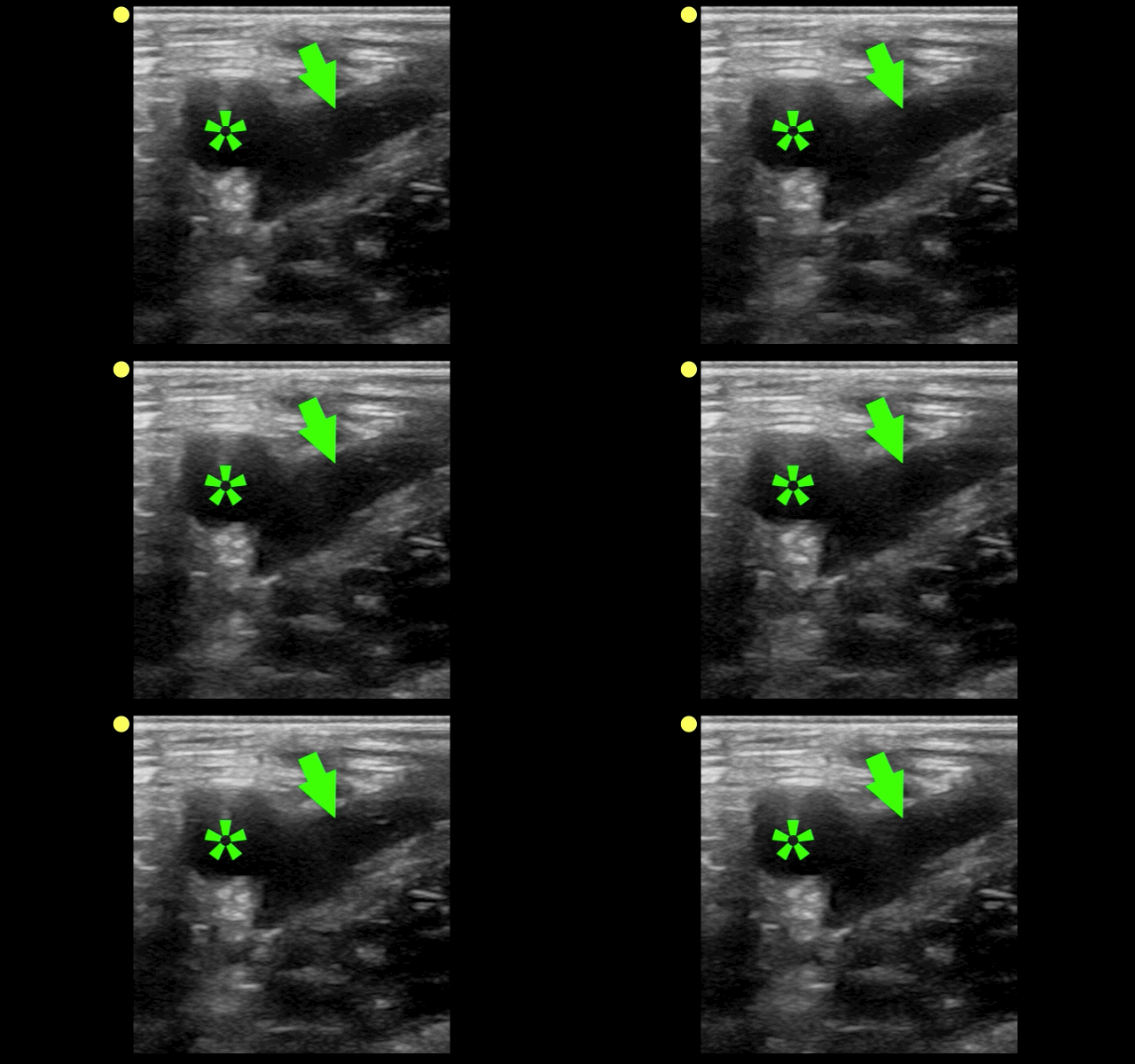
The clip below demonstrates normal right femoral anatomy. The structure with the asterisk is the right common femoral vein and the arrow is pointing to a branch of the right femoral vein. What is the name of the branch and what is its importance during lower extremity ultrasound?

Show Answer

Show References


Title: New Data - Dexmedetomidine as Adjunctive Therapy for Ethanol Withdrawal: An RCT

Category: Pharmacology & Therapeutics

Keywords: dexmedetomidine, alcohol, ethanol, withdrawal (PubMed Search)

Posted: 5/3/2014 by Bryan Hayes, PharmD (Updated: 5/3/2014)

Four small case series (one prospective, 3 retrospective) have concluded that dexmedetomidine (Precedex) may be a useful adjunct therapy to benzodiazepines for ethanol withdrawal in the ED or ICU. They are summarized on the Academic Life in EM blog.

A new randomized, double-blind trial evaluated 24 ICU patients with severe ethanol withdrawal.

Group 1: Lorazepam + placebo

Group 2: Lorazepam + dexmedetomidine (doses of 0.4 mcg/kg/hr and 1.2 mcg/kg/hr).

Take Home Points

  1. Dexmedetomidine reduced short-term benzodiazepine requirements, but not long-term when using symptom-triggered approach.
  2. Monitor for bradycardia when using dexmedetomidine.

Show References


Title: Prescription Drug Monitoring Programs - Maryland has one, now what?

Category: Toxicology

Keywords: prescription drug abuse (PubMed Search)

Posted: 5/1/2014 by Fermin Barrueto (Updated: 3/9/2026)

A recent article showed that District of Columbia's Prescription Drug Monitoring program (PDMP) did not change the amount of opioids prescribed after conversion to MMEs (mg morphine equivalents). It is surprising to see a varying effect of PDMPs across the USA. Some have seen dramatic decreases up to 60% in Colorado versus an actual increase of over 50% in Connecticut. Usability, lack of interstate connectivity and quality of information have been seen as rate limiting factors in the efficacy of PDMPs.

PDMPs, by themselves, are not the answer to prescription drug abuse but are an excellent adjunct. Maryland ACEP and a committee chaired by Dr. Suzanne Doyon, Director of the Poison Center, have developed Opioid Prescribing Guidelines and a Discharge pamphlet that can utilized by hospitals to assist with this epidemic. The guidelines and pamphlet have been endorsed by MDPCC, MDACEP, DHMH and a multitude of other Maryland state agencies. I have attached the guidelines.

Show References

Attachments


Title: ACEP clinical policy update on the Management of Adult Patients Presenting with Seizures

Category: International EM

Keywords: Seizure, International, Valproate (PubMed Search)

Posted: 4/30/2014 by Andrea Tenner, MD

Background Information:

ACEP has recently revised its 2004 policy on critical issues in the evaluation and management of adult patients with seizures in the emergency department.

Pertinent Study Design and Conclusions:

Bottom Line:

As an alternative to phenytoin or fosphenytoin, valproate may be considered for refractory convulsive status epilepticus if benzodiazepines fail.

University of Maryland Section of Global Emergency Health

Author: Walid Hammad, MB ChB

Show References

Attachments


Title: Antibiotic Timing Matters in Severe Sepsis

Category: Critical Care

Posted: 4/29/2014 by Mike Winters, MBA, MD (Updated: 3/9/2026)

Antibiotic Timing in Severe Sepsis/Septic Shock

Show References


Title: What's the Diagnosis? Case by Dr. Christina Tupe

Category: Visual Diagnosis

Posted: 4/28/2014 by Haney Mallemat, MD

Question

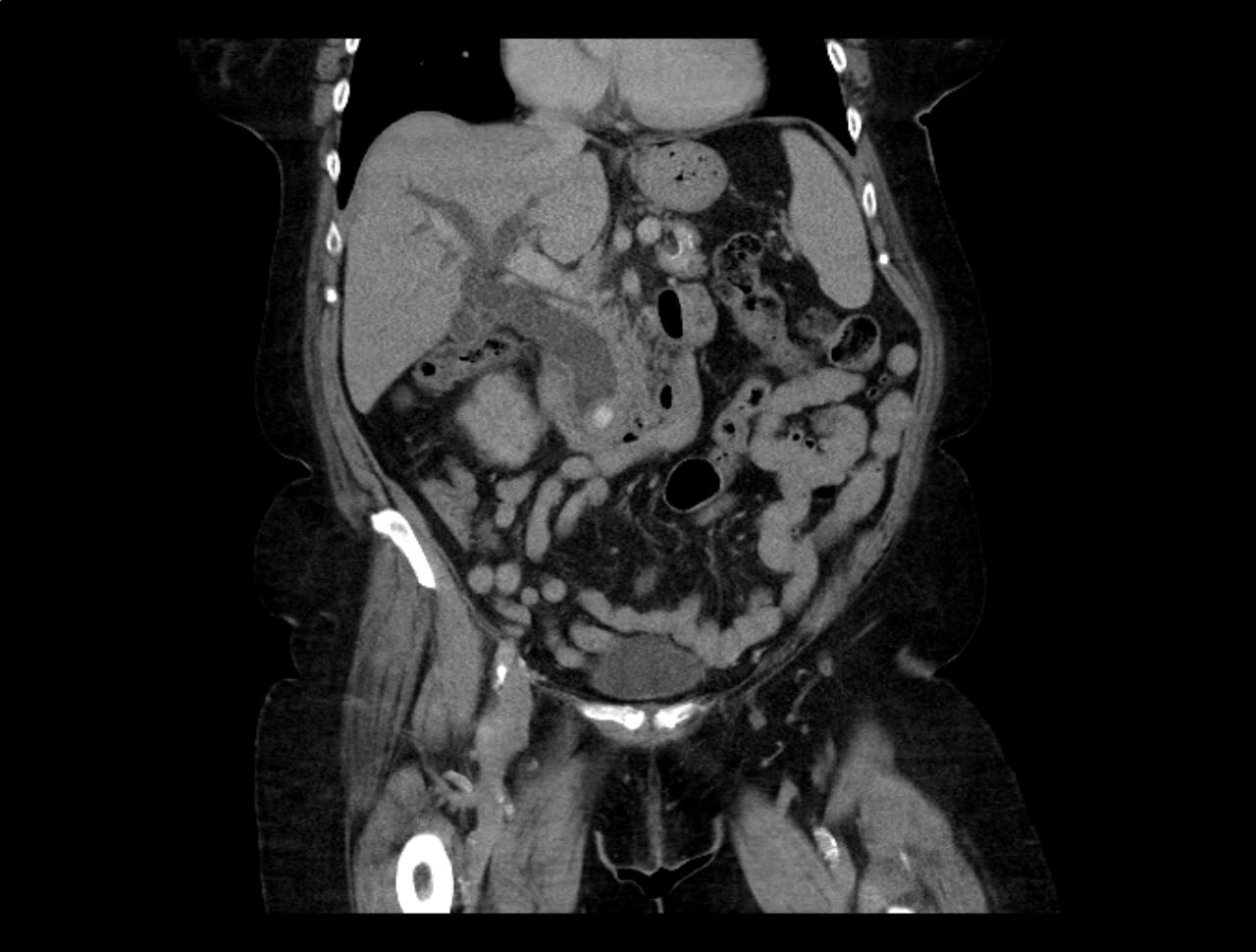
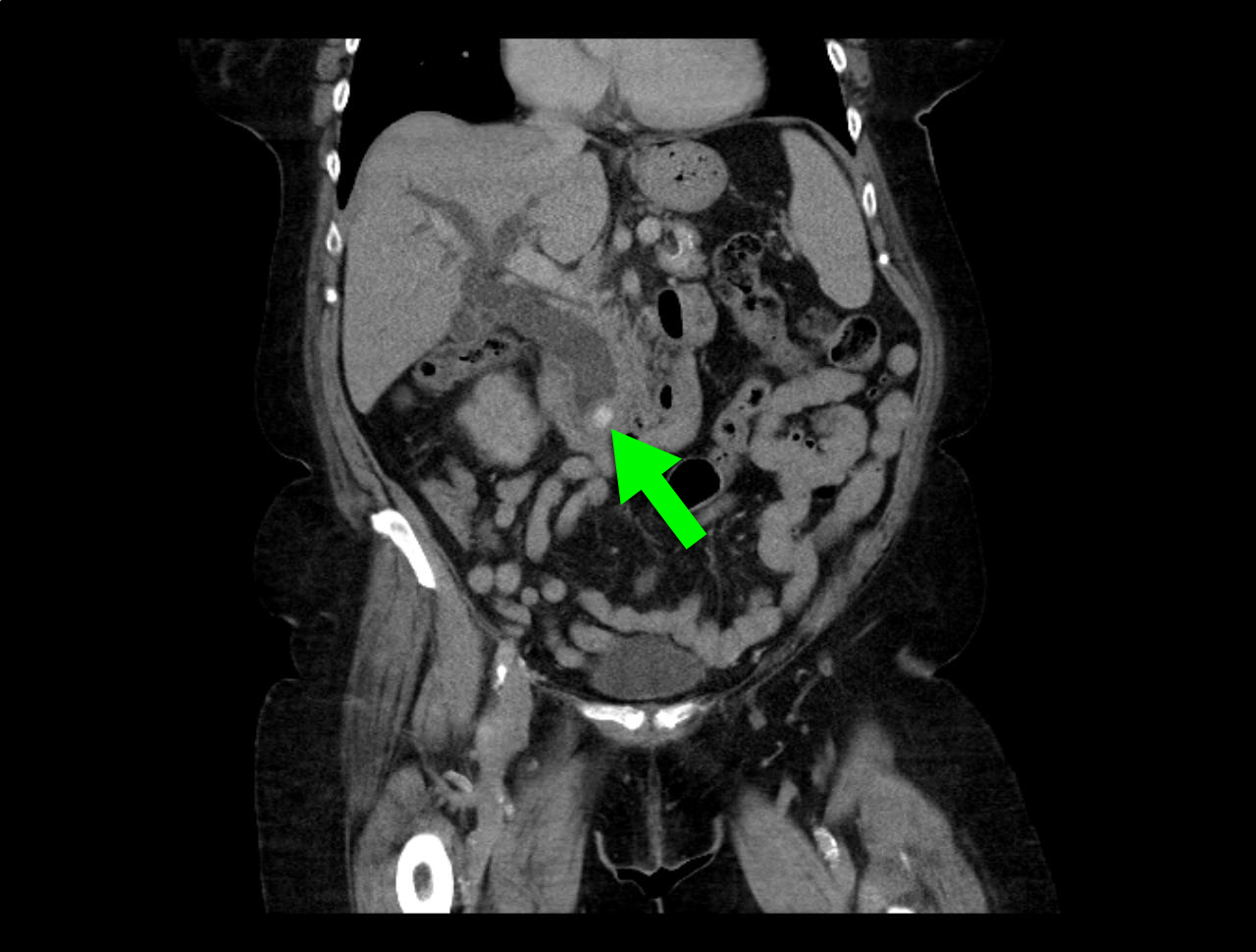
66 year-old female presents with one week of epigastric and right flank pain. Urinalysis was normal. What’s the diagnosis?

Show Answer

Show References


Title: Brain-heart crosstalk

Category: Cardiology

Keywords: Brain-heart syndrome, Neurogenic Stress Cardiomyopathy (PubMed Search)

Posted: 4/27/2014 by Ali Farzad, MD

“Brain-heart crosstalk” is being increasingly recognized in the acute phase after severe brain injury. Neurogenic stunned myocardium, also called ‘neurogenic stress cardiomyopathy’ (NSC), is a syndrome that can occur after severe acute neurologic injury (i.e. SAH, TBI, ischemic or hemorrhagic stroke, CNS infections, epilepsy, or any sudden stressful neurologic event). 
 
NSC is part of the stress-related cardiomyopathy syndrome spectrum, which includes Takotsubo syndrome. However, NSC refers specifically to myocardial dysfunction related to stress from catacholamine excess triggered by neurological injury, rather than emotional or physical stress. Neurocardiogenic injury from NSC is associated with an increased risk of all-cause mortality, cardiac mortality and heart failure.
 
Cardiac involvement can be appreciated with ECG changes and echocardiography. ECG changes include QT interval prolongation (large T waves & U waves), long QT syndrome & torsade de points, ST-segment depression, T-wave inversion, and ventricular & supraventricular arrhythmias. Importantly, NSC can also mimic acute myocardial infarction with LV wall motion abnormalities, and elevated cardiac biomarkers/BNP
 
Emergency physicians should be aware of the diagnostic challenges posed by NSC, and maintain a high index of suspicion when admitting a patient with an unclear clinical picture. NSC management is mainly supportive and symptomatic, based on treatment of life threatening events (i.e. malignant arrhythmias or cardiogenic shock). See references to learn more about the pathophysiology and treatment options.
 

Show References


Title: Acetaminophen the villain of 2013

Category: Pharmacology & Therapeutics

Keywords: Tylenol, liver faliure (PubMed Search)

Posted: 4/27/2014 by Brian Corwell, MD (Updated: 4/27/2014)

Acetaminophen spent much of 2013 being chased by paparazzi and sharing magazine covers with Miley Cyrus. What a fall from stardom after becoming known as the pain reliever “hospitals use most,” and the one, “recommended by pediatricians.” Slogans we know well based on $100 million/year spent on advertising.

Approximately 150 patients a year die from unintentional acetaminophen poisoning averaged over the past 10 years. From 2001 to 2010, annual acetaminophen-related deaths amounted to about twice the number attributed to all other over-the-counter pain relievers combined, 

The FDA sets the maximum recommended daily dose of acetaminophen at 4 grams, or eight extra strength acetaminophen tablets.

Ingestion of 150 mg/kg or approximately 10g for a 70 mg individual reaches the toxic threshold for a single ingestion. The toxic threshold decreases in cases of chronic ingestion.

Patients who “unintentionally” overdose have been found to take just over 8g per day (almost double the recommended maximum).  This is unlikely due to taking one extra 325mg tablet once or twice.

Before we all go on a mad NSAID prescribing binge, let's all be aware of the dangers, educate our patients and allow Acetaminophen to walk the red carpet again.


Show References


Title: Envenomation

Category: Toxicology

Keywords: Envenomation, Compartment Syndrome, Risk Factors (PubMed Search)

Posted: 4/24/2014 by Kishan Kapadia, DO

Venomous snakes are believed to be everywhere in the United States except Maine, Hawaii, and Alaska. Most snakebites occur from months of April to October since snakes hibernate in the winter.  Most bites occur in the extremities (lower > upper).  One of the serious clinical manifestation of snakebite is compartment syndrome.

The following are risk factors for the development of increased intracompartmental pressures:

1) Envenomation of small children

2) Envenomation of digits

3) Application of ice or cold packs

4) Delayed use of antivenin

5) Inadequate dosing of antivenin


Show References


Title: Continuing Emergence of Middle East Respiratory Syndrome (MERS)

Category: International EM

Keywords: International, virus, middle east, (PubMed Search)

Posted: 4/23/2014 by Andrea Tenner, MD

General Information:

Area of the world affected:

Relevance to the US physician:

Bottom Line:

Evaluate patients for MERS-CoV infection if they develop fever and pneumonia within 14 days after traveling to countries in or near the Middle East or if they had close contact with someone from this area.

University of Maryland Section of Global Emergency Health

Author: Walid Hammad, MB ChB

Show References


Title: Considering "The Lethal Duo" when Intubating the patient with TBI

Category: Critical Care

Keywords: intubation, neurocritical care, mechanical ventilation, direct laryngoscopy, video laryngoscopy (PubMed Search)

Posted: 4/22/2014 by John Greenwood, MD (Updated: 4/22/2014)


Direct vs. video laryngoscopy in the patient with an acute TBI

Hypoxia and hypotension are considered the "lethal duo" in patients with traumatic brain injury.  In a recent randomized control trial (by our own Dr. Dale Yeatts at the Shock Trauma Center) mortality outcomes were compared between 623 consecutive patients who were intubated with either direct laryngoscopy (DL) or video laryngoscopy (VL).  Here is what they found:

1. No significant difference in mortality for all comers (Primary Outcome)
2. In the subset of patients with severe head injuries, there was:

There is a reasonable amount of literature that shows hypoxia and hypotension significantly contribute to morbidity & mortality in the TBI patient, and a growing body of literature that suggests intubation with VL takes longer than DL.


Bottom Line: When choosing a method of intubation for the TBI patient, remember the "Lethal Duo" and consider direct laryngoscopy with manual inline stabilization first.

Show References


Title: Subcutaneous Defibrillator

Category: Cardiology

Posted: 4/21/2014 by Semhar Tewelde, MD

Subcutaneous Defibrillator

- The implantable cardioverter-defibrillator (ICD) has evolved from devices through epicardial patch electrodes introduced by thoracotomy to transvenous leads advanced to the right ventricle

- Transvenous ICD (T-ICD) reduced the morbidity associated w/thoracotomy implants, however involves potential complications including: hemopericardium, hemothorax, pneumothorax, lead dislodgement, lead malfunction, device-related infection, and venous occlusion

- Subcutaneous ICD (S-ICD) offers the advantage of eliminating the need for intravenous & intracardiac leads. Clinical trials have proven its effectiveness in detecting and treating ventricular fibrillation/tachycardia; however its major disadvantage is its inability to provide bradycardia rate support and anti-tachycardia pacing to terminate ventricular tachycardia

- No study has directly compared the T-ICD & the S-ICD, however clinical data suggests that its use be considered in relatively younger patients (i.e., age <40 years), those at increased risk for bacteremia, patients with indwelling intravascular hardware at risk for endovascular infection, or in patients with compromised venous access


Show References


Title: Scabies diagnosis in kids

Category: Pediatrics

Keywords: scabies, pediatrics (PubMed Search)

Posted: 4/18/2014 by Jenny Guyther, MD

Scabies is considered by the WHO to be one of the main neglected diseases with approximately 300 million cases worldwide each year. One third of cases of scabies seen by dermatologists are in kids less than 16 years old. The belief had been that presentation varies by age.  One French study reported a first time miss rate of more than 41% and an overall diagnostic delay of 62 days.
 

A prospective, multi center observational study of patients with confirmed scabies sought to determine common phenotypes in children. All patients were seen by dermatologists in France and administered standard questionnaires.  They were divided into 3 age groups, <2 years, 2-15 years and > 15 years.  323 patients were included.

The study found that: 
-infants were more likely to have facial involvement and nodules, especially on the back and axilla
-relapse was more common in < 15 year olds - this was hypothesized to be due to poor compliance with treatment to the head
-family members with itch, or planter or scalp involvement were independently associated with diagnosis of scabies in kids < 2 years
-burrows were seen in 78%, nodules in 67% and vesicles of 43% of patients (see photo)
-itching was absent in up to 10% of patients

Bottom line:  Have a high suspicion for scabies in any rash.


Show References

Attachments


Title: Predictors of esophageal injury in caustic ingestion?

Category: Toxicology

Keywords: caustic ingestion; esophageal injury (PubMed Search)

Posted: 4/17/2014 by Hong Kim, MD (Updated: 3/9/2026)

Caustic ingestion can potentially cause significant esophageal and/or gastric injury that can lead to significant morbidity, including death.


Endoscopy is often performed:

·      To determine the presence of caustic injury.

·      To determine the severity of caustic injury (grade: I to III).


Grade

Tissue finding

Sequela

I

•  Erythema or edema of mucosa

•  No ulceration

No adverse sequela

IIa

•  Submucosal ulceration and exudates

•  NOT circumferential

No adverse sequela

IIB

•  Submucosal ulceration and exudates

•  Near or circumferential

Stricture > 70%

IIII

•  Deep ulcers/necrosis

•  Periesophageal tissue involvement

Acute

Perforation and death

Chronic

Strictures and increased cancer risk


·      Placement of orogastric or nasograstic tube for nutritional support if needed (grade IIb and III)


Evidence for predictor of esophageal injury (frequently cited) comes from mostly studies involving pediatric population and unintentional ingestion:

1.     Gaudreault et al. Pediatrics 1983;71:767-770.

o   Studied signs/symptoms: nausea, vomiting, dysphagia, refusal to drink, abdominal pain, drooling or oropharyngeal burn

o   Presence of symptoms: Grade 0/I lesion: 82%; Grade II: 18%

o   Absence of symptoms: Grade 0/I: 88%; Grade II: 12%

2.     Crain et al. Am J Dis Child. 1984;138(9):863-865

o   Presence of 2 or more (vomiting, drooling and stridor) identified all (n=7) grade II and III lesion.

o   Presence of 1 or no symptoms: no grade II/III lesions

o   Stridor alone associated with grade II/III lesions (n=2)

o   10% of patients without oropharyngeal burns had grade II/III lesions.

3.     Gorman et al. Am J Emerge Med 1990;10(3):189-194.

o   Two or more symptoms: vomiting, dysphagia, abdominal pain or oral burns

o   Sensitivity: 94%; specificity 49%

o   Positive predictive value 43% ; negative predictive value: 96%

o   Stridor alone (n=3): grade II or greater lesion

4.     Previtera et al. Pediatric Emerg Care 1990;6(3):176-178.

o   Esopheal injury in 37.5% of patients without oropharyngeal burn

o   Grade II/III injury: 8 patients


Available data suggests that there are no “good” or reliable predictors for esophageal injury.


However, high suspicion for gastrointestinal injury should be considered with GI consultation for endoscopy in the presence of

·      Stridor alone

·      Two or more sx: vomiting, drooling or stridor (Crain et al)

·      Intentional suicide attempt


Title: The Overlooked Epidemic

Category: International EM

Keywords: International, Mental Health, burden of disease (PubMed Search)

Posted: 4/16/2014 by Andrea Tenner, MD (Updated: 4/16/2014)

General Information: 

Relevance to the US physician:

Bottom Line:

Mental illness is an often-forgotten cause of significant morbidity worldwide. Front-line care delivered by appropriately trained and supervised community-based health workers operating in partnership with emergency physicians, primary care physicians, and mental health specialists is key to address this health crisis.

University of Maryland Section of Global Emergency Health

Author: Terrence Mulligan DO, MPH

Show References


Title: Does My Patient Need More Fluids?

Category: Critical Care

Posted: 4/15/2014 by Haney Mallemat, MD

Show References


Title: What's theDiagnosis? Images by Dr. Ari Kestler

Category: Visual Diagnosis

Posted: 4/14/2014 by Haney Mallemat, MD

Question

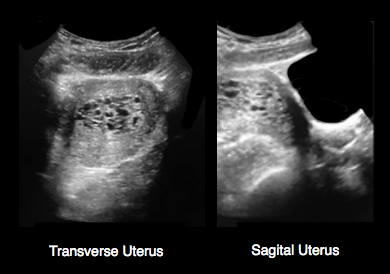
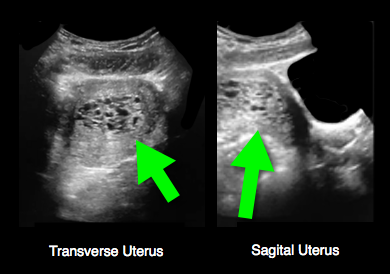
25 year-old female (G1P1) presents with 3 weeks of vaginal bleeding. Her serum beta-HCG is 65,000. Her bedside ultrasound is below; what's the diagnosis? 

Show Answer

Show References


Title: Airway management in out of hospital cardiac arrest

Category: Cardiology

Keywords: Out of hospital cardiac arrest, OHCA, Prehospital airway management (PubMed Search)

Posted: 4/13/2014 by Ali Farzad, MD

Optimal out of hospital cardiac arrest (OHCA) airway management strategies remain unclear. In the US, 80% of OHCA patients receive prehospital airway management, most commonly endotracheal intubation (ETI). There is growing enthusiasm for use of supra-glottic airways (SGA) by EMS because of ease of insertion, and the thought that use of SGA reduces interruptions in chest compressions. More recently, studies have suggested improved survival without the insertion of any advanced airway device at all. 

A recent secondary analysis of OHCA outcomes in the Cardiac Arrest Registry to Enhance Survival (CARES) compared patients receiving endotracheal intubation (ETI) versus supra-glottic airway (SGA), and also patients receiving [ETI or SGA] with those receiving no advanced airway. 

Of 10,691 OHCA, 5591 received ETI, 3110 SGA, and 1929 had no advanced airway. Unadjusted neurologically-intact survival was: ETI 5.4%, SGA 5.2%, no advanced airway 18.6%. Compared with SGA, ETI achieved higher sustained ROSC, survival to hospital admission, hospital survival, and hospital discharge with good neurologic outcome. Moreover, compared with [ETI or SGA], patients who received no advanced airway attained higher survival to hospital admission, hospital survival, and hospital discharge with good neurologic outcome. 

Conclusion: In CARES, patients receiving no advanced airway exhibited superior outcomes than those receiving ETI or SGA. When an advanced airway was used, ETI was associated with improved outcomes compared to SGA.

Show References


Title: Sweets Before Sticks

Category: Pediatrics

Posted: 4/11/2014 by Rose Chasm, MD (Updated: 3/9/2026)

Show References


Title: Gabapentin for Treatment of Alcohol Dependence

Category: Toxicology

Keywords: alcohol, gabapentin, dependence (PubMed Search)

Posted: 4/10/2014 by Bryan Hayes, PharmD (Updated: 4/10/2014)

In a 12-week treatment course,150 alcohol-dependent patients were randomized to receive placebo, gabapentin 900 mg/day, or gabapentin 1,800 mg/day.

Gabapentin significantly improved the rates of abstinence and no heavy drinking. No serious adverse effects were reported.
 
Gabapentin may offer an additional treatment option for alcohol dependent patients.

Show References


Previous  |  1 |  ... |  113 |  114 |  115 |  116 |  117 |  118 |  119 |  120 |  121 |  122 |  123 |  ... |  230 |  Next