Previous  |  1 |  ... |  107 |  108 |  109 |  110 |  111 |  112 |  113 |  114 |  115 |  116 |  117 |  ... |  230 |  Next

Title: Ventricular Arrhythmias Originating from the Moderator Band

Category: Cardiology

Posted: 9/28/2014 by Semhar Tewelde, MD (Updated: 3/10/2026)

Ventricular Arrhythmias Originating from the Moderator Band

- Ventricular arrhythmias originating from the moderator band (MB) often have a distinct morphology

- Typically MB arrhythmias have a left bundle branch block pattern, QRS with a late precordial transition (>V4), a rapid down stroke of the QRS in the precordial leads, and a left superior frontal plane axis

- MB arrhythmias are often associated with PVC-induced ventricular fibrillation

- Catheter ablation is quite effective at termination of the arrhythmias and facilitated with intracardiac echocardiography (ICE)

Show References


Title: "I have sciatica, I want a MRI and I want it now"

Category: Orthopedics

Keywords: Sciatica, radiculopathy, imaging (PubMed Search)

Posted: 9/27/2014 by Brian Corwell, MD (Updated: 9/27/2014)

Back pain with radiculopathy can be very distressing to a patient and they have heard from their medically savvy neighbor that a MRI is the way to go. Now, armed with this knowledge, they are in your ED with earplugs in hand...

A few minutes of reassurance and education can save in both cost and ED throughput.

In one study researchers performed MRIs on asymtomatic adult patients.

               Almost two-thirds (64%) had abnormal discs

               Just over half (52%) had bulging discs

               Almost a third (31%) had disc protrusions

Further, finding a bulging disc already suggested by your history and physical examination does not change management. The majority of these patients improve with conservative treatment within four to to six weeks.

Restrict ED MRI use for the evaluation of suspected cauda equina, epidural abscess and spinal cord compression.


Title: Antibiotics for pediatric bloody stools? (submitted by Jonathan Hoover, MD)

Category: Pediatrics

Keywords: E. coli, O0157:H7, hematochezia, diarrhea (PubMed Search)

Posted: 9/26/2014 by Mimi Lu, MD

There are numerous different causes of pediatric hemorrhagic diarrhea. Consider a pediatric patient with bloody diarrhea as being at risk for developing hemolytic uremic syndrome. Most cases of hemolytic uremic syndrome are caused by O157:H7 strains of E Coli that release Shiga-like toxin from the gut. Systemic release of the toxin causes microvascular thromboses in the renal microvasculature. The characteristic microangiopathic hemolysis results with anemia, thrombocytopenia and peripheral schistocytes seen on laboratory studies, in addition to acute renal failure.

Antibiotics have been controversial in the treatment of pediatric hemorrhagic diarrhea due to concern that they worsen toxin release from children infected with E Coli O157:H7 and thus increase the risk of developing hemolytic uremic syndrome. Numerous previous studies have provided conflicting data regarding the true risk (1). A recent prospective study showed antibiotic treatment increases the risk (2). Most recommendations warn against using antibiotics to treat pediatric hemorrhagic diarrhea unless the patient is septic.


Bottom line: Avoid treating pediatric hemorrhagic diarrhea with antibiotics

Show References


Title: Medications that Cause a Disulfiram Like Reaction

Category: Toxicology

Keywords: disulfiram (PubMed Search)

Posted: 9/25/2014 by Fermin Barrueto (Updated: 3/10/2026)

When you prescribe certain medications, it may require some further instructions to avoid ethanol or a disulfiram like reaction (nausea, vomiting, flushing) may occur. Keep this short list in your brain:

1) Particular cephalosporins: cefotetan is a the one more likely

2) Nitrofurantoin

3) Sulfonylureas: chlorpropamide and tolbutamide

4) Metronidazole

5) Trimethoprim-sulfamethoxazole


Show References


Title: Jolt Accentuation Sign

Category: Neurology

Keywords: meningitis, clinical exam (PubMed Search)

Posted: 9/25/2014 by Danya Khoujah, MBBS (Updated: 3/10/2026)

Jolt accentuation, the exacerbation of a headache with horizontal rotation of the neck, or shaking of the stretcher in the less cooperative patient, has been promoted for the past few years as the "go-to" test to assess for meningeal irritation in patients with headache. Previous studies have quoted sensitivities as high as 97.1%. (1)

A new prospective study in AJEM challenges this belief by looking at a total of 230 patients with headaches and subsequent LPs. 197 of them had the jolt accentuation test done, which had a sensitivity of only 21% for pleocytosis (defined as greater than or equal to 5 cells/high power field in the 4th CSF tube). Kernig's and Brudzinski's signs both did even more poorly, with a sensitivity of 2% each. (2)

Show References


Title: Massive Transfusion Protocols

Category: Critical Care

Keywords: massive transfusion, bleeding (PubMed Search)

Posted: 9/23/2014 by Feras Khan, MD (Updated: 3/10/2026)

What is a massive transfusion?

When would I use this?

Indications:

-Systolic Blood pressure < 100

-Unable to obtain blood pressure

AND

-Penetrating torso trauma

-Positive FAST

-External blood loss

-Plans to go to the OR

How do I give it?

Does this apply for just traumatic bleeding?

Are there other agents I can use?

What am I trying to do with this protocol?

Show References


Title: A young asthmatic with a bad day: Visual Diagnosis

Category: Pediatrics

Keywords: Macklin Phenomenon, asthma, pneumomediastinum (PubMed Search)

Posted: 9/22/2014 by Ashley Strobel, MD

Question

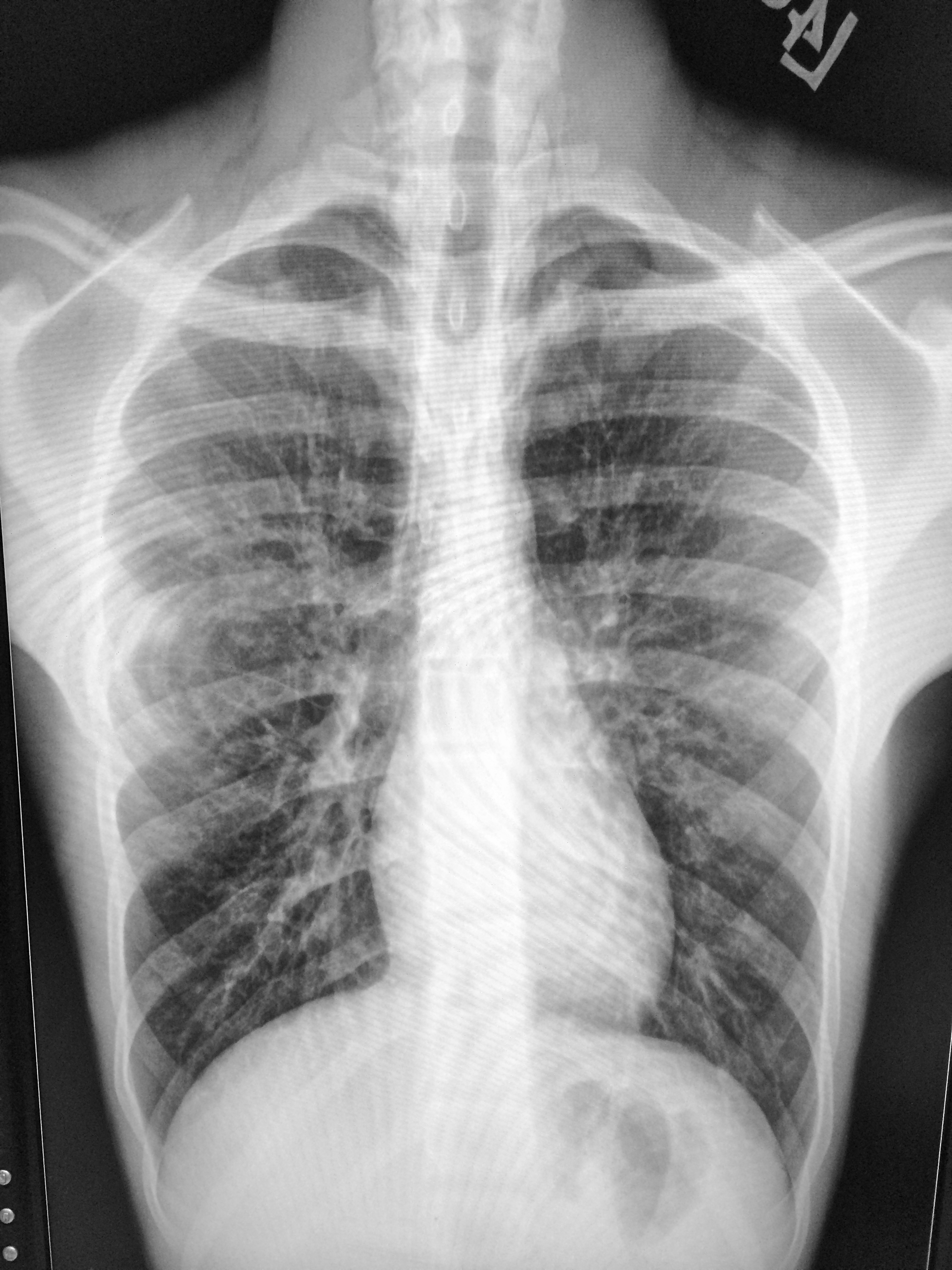
16 yo M with pleuritic right upper chest pain that started today.  He is suffering from an asthma exacerbation currently in the setting of URI with cough.  He is afebrile, tachycardic to 140-150s, respiratory rate 20, and sats 98% on room air.  ECG was performed which incidentally diagnosed this patient WPW and he went for ablation as an outpatient.  His chest x-ray showed:

Besides a bad day, what do we call this chest x-ray finding?
Show Answer

Show References

Attachments


Title: Should we repair Tendon Lacerations

Category: Orthopedics

Keywords: Tendon, Laceration, Repair (PubMed Search)

Posted: 9/20/2014 by Michael Bond, MD (Updated: 9/20/2014)

Tendon Lacerations:

A reasonable approach to all tendon lacerations is to loosly reapproximate the wound and splint the hand in the position of function until the patient can be seen by a hand surgeon in the next 1-3 days.  These injuries do not require immediate surgical repair, and with the high rate of complications it is probably best to discuss with your hand surgeon before attempting a repair.


Show References


Title: Cervical spine clearance in pediatrics

Category: Pediatrics

Keywords: cervical spine, pediatrics, NEXUS (PubMed Search)

Posted: 9/19/2014 by Jenny Guyther, MD (Updated: 3/10/2026)

The NEXUS criteria is widely applied to adults who present with neck pain due to trauma.  While this study did include about 2000 pediatric patients, there were not enough young children to draw definitive conclusions.  For more information on the evaluation of the cervical spine, see Dr. Rice's pearl from 9/7/12.  A 2003 study piloted an algorithm for cervical spine clearance in children < 8 years.

Patients were spine immobilized if: unconscious, abnormal neurological exam, history of transient neurological symptoms, significant mechanism of injury, neck pain, focal neck tenderness or inability to assess based on distracting injury (extremity or facial fractures, open wound, thoracic injuries, or abdominal injuries), physical exam findings of neck trauma, unreliable exam due to substance abuse, significant trauma to the head or face, or inconsolable children.

When the 2 pathways (see attached) were implemented, there was a decrease in time to cervical spine clearance.  There were no missed injuries in the study period prior to implementation of the pathway or once it was implemented.  There was no significant difference in the amount of xrays, CT scans or MRIs.

Show References

Attachments


Title: "Food poisoning": How do you like your fish?

Category: Toxicology

Keywords: ciguatera, scromboid, tetrodotoxin (PubMed Search)

Posted: 9/18/2014 by Hong Kim, MD

Food poisoning can occur with many different food groups/items, as well as how the food is prepared, handled or stored.

There are three specific “food poisonings” associated with fish consumption can cause serious toxicity/illness beyond GI symptoms: Ciguatera, Scrombroid, tetrodotoxin (puffer fish)


Ciguatera

Symptoms:

May progress to develop…

Treatment: supportive care and mannitol in presence of severe neurologic symptoms (limited evidence).


Scrombroid


Symptoms:


Tx: H1/H2 blockers and supportive care

Serious reactions: treat like allergic/anaphylactic reaction


Tetrodotoxin


Symptoms:


Treatment: supportive care and intubated if needed.


Title: Blood Clots and Plane Travel- Are You at Risk?

Category: International EM

Keywords: deep venous thrombosis, plane travel, blood clots (PubMed Search)

Posted: 9/17/2014 by Jon Mark Hirshon, MPH, MD, PhD (Updated: 9/17/2014)

While sitting on an international flight, ever wonder what your risks are for a blood clot?


General Background:

It is estimated that the risk for a deep venous thrombosis (DVT) is 3-12% on a long-haul flight. However, the real incidence is difficult to evaluate, due in part to the lack of consensus about 1) diagnostic tests, and 2) the appropriate time frame to relate a venous thromboembolic event (VTE) to travel.


Risks Factors for VTEs on long-haul flights:


Bottom Line:

Show References


Title: Infectious Risks of Targeted Temperature Management

Category: Critical Care

Posted: 9/16/2014 by Mike Winters, MBA, MD

Infectious Risks Associated with TTM

Show References


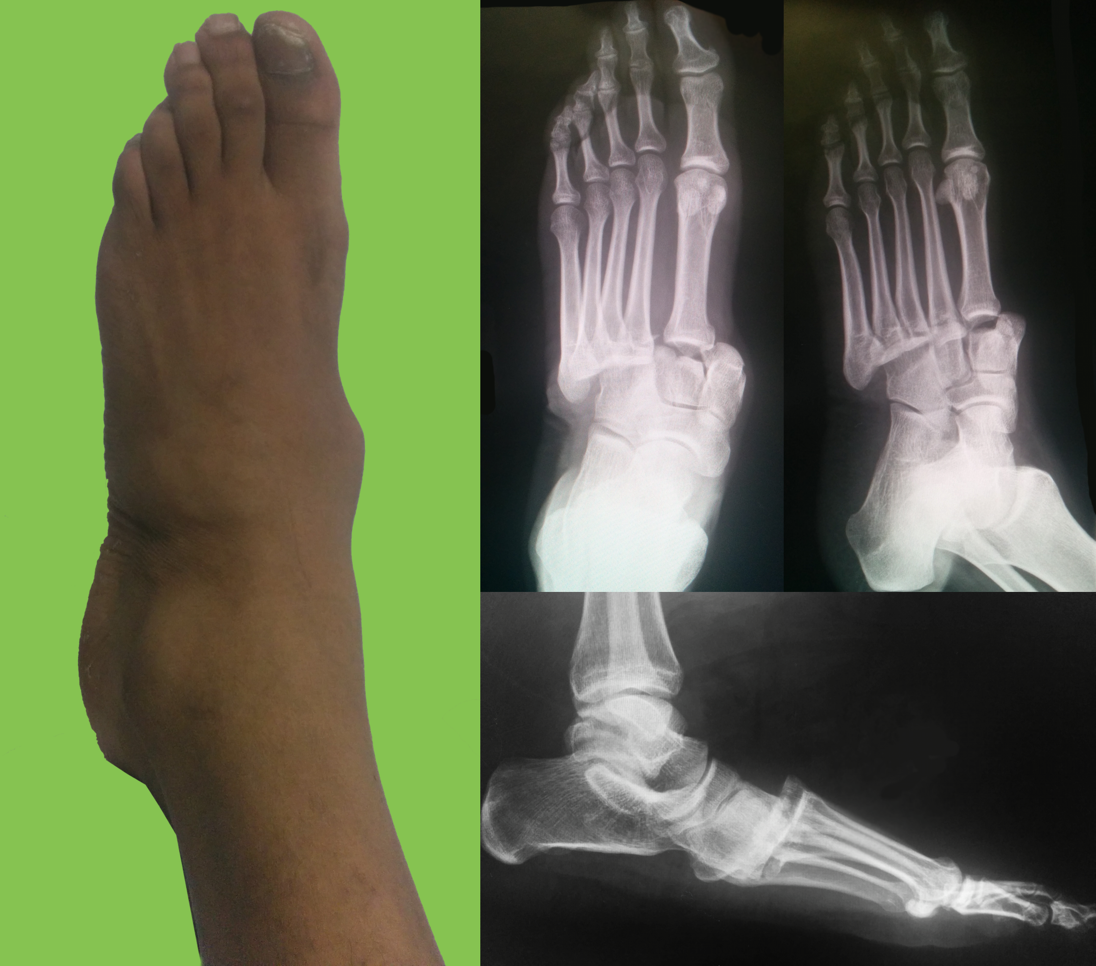
Title: What's the Diagnosis? Case by Dr. Leen Alblaihed

Category: Visual Diagnosis

Posted: 9/15/2014 by Haney Mallemat, MD (Updated: 10/1/2014)

Question

Football player complains of sudden foot pain after begin tackled. What’s the diagnosis? 

Show Answer

Show References


Title: Optimal Revascularization in Complex Coronary Artery Disease

Category: Cardiology

Posted: 9/14/2014 by Semhar Tewelde, MD

Optimal Revascularization in Complex Coronary Artery Disease

- A multicenter trial 4,566 patients with NSTEMI, unstable angina, and multi-vessel coronary artery disease were enrolled comparing outcomes of cardiac stenting versus coronary artery bypass.

- Cardiac stenting was associated with improved outcomes and lower mortality in the following subgroups: age >65 years, women, unstable angina, TIMI score >4, and 2 vessel disease.

- Despite high clinical risk patients who underwent cardiac stenting compared to surgical revascularization did better in this prospective registry. 

Show References


Title: Back Pain

Category: Orthopedics

Keywords: back pain, x-ray (PubMed Search)

Posted: 9/13/2014 by Brian Corwell, MD (Updated: 3/10/2026)

Back pain accounts for more than 2.6 million visits

30% of ED patients receive X-rays as part of their evaluation

Imaging can be avoided in a majority of these patients by focusing on high risk (red flags)  findings in the history and physical exam.

Patients who can identify a an acute inciting event without direct trauma likely have a MSK source of pain.

Imaging rarely alters management

Attempt to avoid imaging in patients with nonspecific lower back pain of less than 6 weeks duration, with a normal neurologic exam and without high risk findings (fever, cancer, IVDA, bowel or bladder incontinence, age greater than 70, saddle anesthesia, etc)

Patients with radiculopathy (sciatica) and are otherwise similar to the above also do not require emergent imaging


Title: Enterovirus D68

Category: Pediatrics

Posted: 9/12/2014 by Rose Chasm, MD (Updated: 3/10/2026)

Show References


Title: A Simpler Dosing Scheme for Digoxin-Specific Antibody Fragments

Category: Toxicology

Keywords: digoxin, digoxin-specific antibody fragments, digoxin-Fab (PubMed Search)

Posted: 9/11/2014 by Bryan Hayes, PharmD (Updated: 9/11/2014)

Digoxin-specific antibody fragments (Fab) are safe and indicated in all patients with life-threatening dysrhythmias and an elevated digoxin concentration. However, full neutralizing doses of digoxin-Fab are expensive and may not be required (not to mention cumbersome to calculate).

Based on pharmacokinetic modeling and published data, a new review suggests a simpler, more stream-lined dosing scheme as follows:

Show References


Title: Not another pearl about blood pressure!!

Category: Neurology

Keywords: blood pressure, stroke (PubMed Search)

Posted: 9/11/2014 by Danya Khoujah, MBBS

Why is everyone obsessed about blood pressure management in stroke?

Greater than 60% of patients with stroke have elevated blood pressure, and 15% have a systolic blood pressure (SBP) greater than184 mmHg. That is more common in hemorrhagic stroke than ischemic stroke. 

Whether it's an acute hypertensive response or a premorbid uncontrolled hypertension, it is likely to negatively affect the clinical course and neurological outcome. 

Below is a suumary of the current guidelines for blood pressure management of stroke subtypes; for a more detailed summary of the guidelines, refer to the original article (below)

Ischemic stroke:

Lytic patients have a target SBP of <185mmHg, whereas nonlytic patients have a higher SBP target of <220mmHg

Hemorrhagic Stroke:

Non-aneurysmal hemorrhage patients with a SBP >180mmHg have a target SBP of <160 mmHg, whereas if their SBP was 150-220 mmHg then lowering it to 140 mmHg is safe. Patients with aneurysmal hemorrhage have a target SBP of <160mmHg

Show References


Title: Goal-Directed Resuscitation During Cardiac Arrest

Category: Critical Care

Posted: 9/9/2014 by John Greenwood, MD (Updated: 9/9/2014)


Goal-Directed Resuscitation During Cardiac Arrest

Focusing on high-quality CPR is by far one of the most effective methods to ensure your arrested patient has the best chance to survive.  However, emerging evidence suggests that there are additional goals that we should try and accomplish during our resuscitation.

 As we continue to move toward goal-directed resuscitation strategies, optimizing coronary perfusion pressure (CPP) may be our next target in “personalizing” the care we provide to those in cardiac arrest.

A recent AHA consensus statement recommended the following physiologic goals during cardiac arrest care:

Each of these variables can give the provider valuable feedback about how their patient is responding to their resuscitation.  Some argue that the DBP target should be much higher (>35 mmHg), with the caveat that pharmacologic optimization can only occur once high quality CPR is confirmed.  The goal should always be to minimize the use of epinephrine whenever possible!

Bottom Line:  During your next cardiac arrest resus, consider using a goal-directed strategy by monitoring the patient’s CPP, DBP, & EtCO2 to determine the effectiveness of your resuscitation.


Suggested Reading

  1. Meaney PA, Bobrow BJ, Mancini ME, et al. Cardiopulmonary resuscitation quality: [corrected] improving cardiac resuscitation outcomes both inside and outside the hospital: a consensus statement from the American Heart Association. Circulation. 2013;128(4):417-35.
  2. Sutton RM, Friess SH, Maltese MR, et al. Hemodynamic-directed cardiopulmonary resuscitation during in-hospital cardiac arrest. Resuscitation. 2014;85(8):983-6.

Follow me on Twitter @JohnGreenwoodMD


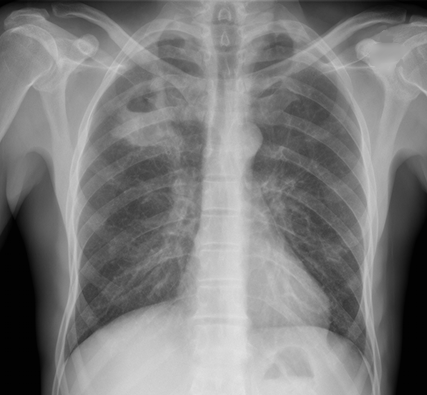
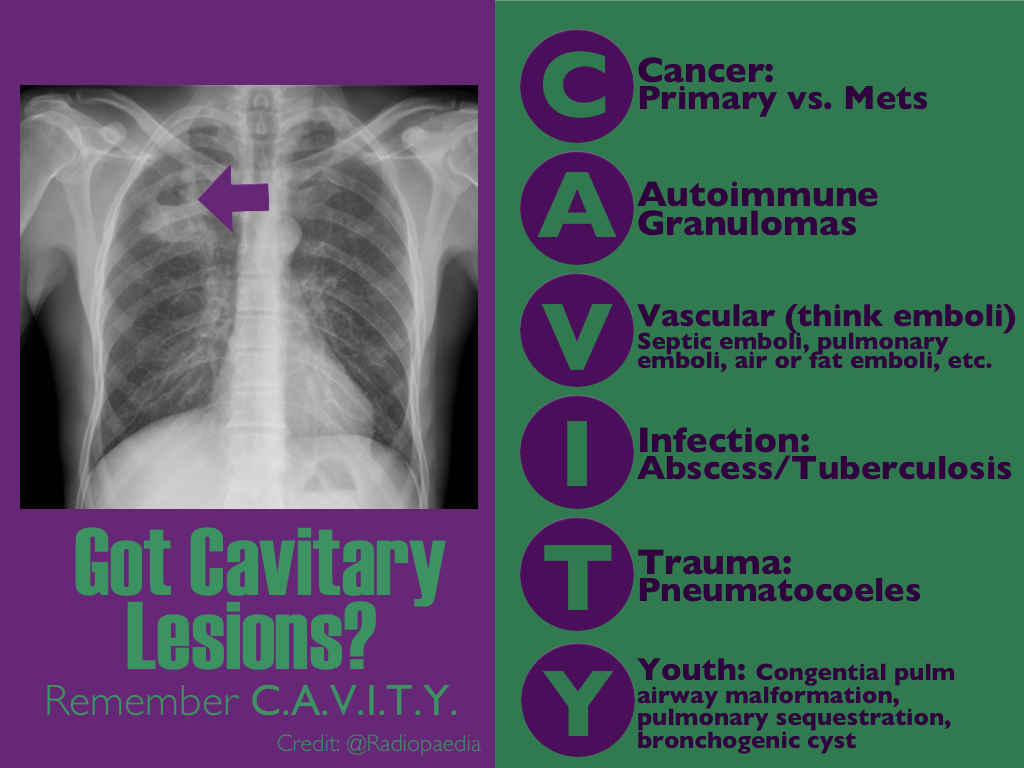
Title: What's the Diagnosis? Image by Dr. Michael Abraham

Category: Visual Diagnosis

Posted: 9/8/2014 by Haney Mallemat, MD

Question

CXR shown below, what's the diagnosis? ...and name 3 differential diagnoses.


Show Answer

Show References


Previous  |  1 |  ... |  107 |  108 |  109 |  110 |  111 |  112 |  113 |  114 |  115 |  116 |  117 |  ... |  230 |  Next