121-140 of 196 results by Fermin Barrueto

Previous  |  1 |  2 |  3 |  4 |  5 |  6 |  7 |  8 |  9 |  10 |  Next

Title: Pharmacoeconomics

Category: Toxicology

Keywords: ondansetron, albuterol (PubMed Search)

Posted: 2/26/2009 by Fermin Barrueto (Updated: 3/4/2026)

As the economy worsens and our patients pay for more prescriptions out of pocket, here are some tips that may help you better serve your patients: 1) Ondansetron (zofran) is now off patent. Write generic on your script for zofran - for pediatrics the ODT (dissolving tablets) - are all much cheaper ($0.50 to $1.00 per pill or ODT). IV formulation is now cheaper than phenergan. Reglan is probably still the cheapest in most pharmacies. 2) Typical $4 antibiotics are the following: SMP-TMZ (Bactrim), Cephalexin, Amoxicillin, Penicillin, Ciprofloxacin. 3) Albuterol MDIs are now much more expensive because they have to be CFC free. Unfortunately, after this federal regulation, patients will have difficulty getting these inhalers which can be quite expensive. If you write a script and the patient is self-pay, they are going to have difficulty. Hospitals are beginning to discourage "to go" inhalers and even pills due to the fact that insurance companies DO NOT reimburse these costs - only IV meds.

Title: Rocuronium vs Succinylcholine

Category: Toxicology

Keywords: rocuronium, succinylcholine (PubMed Search)

Posted: 2/19/2009 by Fermin Barrueto (Updated: 3/4/2026)

Rocuronium is fast becoming the agent of choice for RSI in the Emergency Department. Here is a head to head comparison of the two drugs to understand why:

  Rocuronium Succinycholine

Dose

 1-1.2mg/kg

1mg/kg

Onset

1-1.5min

1min

Duration

7-12min

30-40min

Histamine Release

No

Minimal Yes

CVS Effect

Tachycardia rare

Severe Brady rare

Other Adverse Effect

No fasciculations, No ICP effect, No Rhabdo

Fasciculations, increase ICP, rhabdo, movement of displaced Fxs 


Title: Fun Rodenticides

Category: Toxicology

Keywords: brodifacoum, cholecalciferol, strychnine (PubMed Search)

Posted: 1/29/2009 by Fermin Barrueto (Updated: 3/4/2026)

Rodenticides have taken many forms. The following is a list of some of the more interesting ones either due to the mechanism of toxicity or how it is lethal. All of these are also toxic to people.

1) Strychnine - Glycine Antagonist at the post-synaptic spinal cord neurons - patient or rat will have convulsion of the extremeties but will be awake, alert and in extreme pain. Essentially look like generalized seizure except awake. Treatment: Benzodiazepines, Analgesia, Supportive

2) Brodifacoum - Long Acting Coumarin - rat eats, later develops elevated INR then tries to run through thin cracks in the wall or takes a little too high of a jump, then boom - subdural or some other internal hemorrhage. In human, they can stay anticoagulated for weeks after an overdose. Treatment: Vitamin K and large padded room

3) Cholecalciferol - Vitamin D precursor - there are big blocks of this drug in the NY and other subway systems. Rat nibbles, gets hypercalcemic, then gets thirsty because of this. Rat runs out into middle of subway to drink out of puddle then - splatt - the M train to Brooklyn comes along. Treatment: IVF, Loop Diuretics, Bisphosphonates


Title: Octreotide - The Antidote for Sulfonylurea Toxicity

Category: Toxicology

Keywords: octreotide, sulfonylurea, hypoglycemia (PubMed Search)

Posted: 1/22/2009 by Fermin Barrueto (Updated: 3/4/2026)


Octreotide

Show References


Title: If you like sushi - Fugu

Category: Toxicology

Keywords: tetrodotoxin, sushi (PubMed Search)

Posted: 1/15/2009 by Fermin Barrueto (Updated: 3/4/2026)

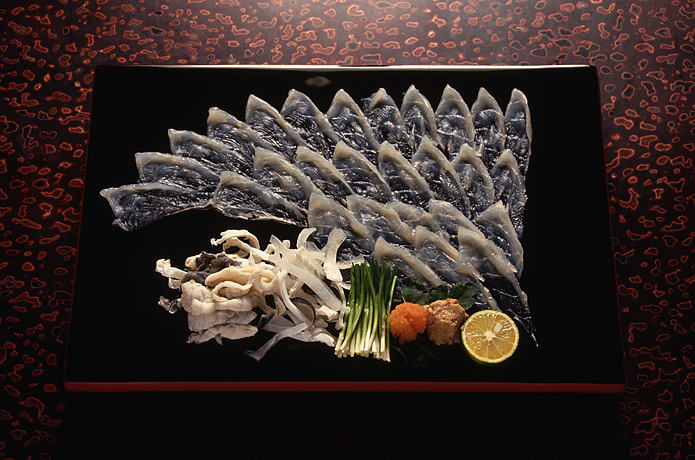
Tetrodotoxin - Sodium Channel blocker - Extremely toxic causes paresthesias, dysrhythmias and paralysis - Found in the sushi called Fugu (From the Pufferfish) - Eating the sushi is considered a delicacy and goal is to get just enough of the toxin to get perioral paresthesias after eating. - Also found in the blue-ringed octopus, angelfish and parrot fish. Enjoy your seafood and take a look at the attached pic of actual fugu.

Attachments


Title: Toxicology - Happy Holidays

Category: Toxicology

Keywords: adverse drug reaction (PubMed Search)

Posted: 12/25/2008 by Fermin Barrueto (Updated: 3/4/2026)

Watch out for tradename and generic name's of medications.

They can get the patient and yourself into trouble:

Classic example is my own case: Insert a central line in a patient - subclavian - and shortly after completion am alerted the patient's INR is 25. No adverse outcome but when I reviewed the med list, I did not see coumadin or warfarin and assumed I was in the clear. Patient was on jantoven.

Happy Holidays


Title: LABAs

Category: Toxicology

Keywords: serevent, foradil (PubMed Search)

Posted: 12/19/2008 by Fermin Barrueto (Updated: 3/4/2026)

The FDA has ruled that Long-Acting Beta Agonists (LABAs) are not worth the risk with increased hospitalization and increased mortality. Serevent has largely been replaced by Advair now. Unfortunately, for the children, it took 3 years to look at the data and finally come to this conclusion. Advair (LABA + fluticasone) has escaped the ruling with lack of evidence.

Title: Thanksgiving Toxicology

Category: Toxicology

Keywords: tryptophan (PubMed Search)

Posted: 11/28/2008 by Fermin Barrueto (Updated: 3/4/2026)

Tryptophan - a precursor to melatonin, it is often blamed for the post prandial coma that many go into after a big turkey dinner. Never mind the 5000 kcals that was consumed during the meal. The supplement really doesn't help with sleeping. Interestingly, turkey isn't even in the top 10 or 20 of foods that contain tryptophan. The top five are:

1) Game meat (Elk): 746 mg of tryptophan

2) Seaweed (Spirulina): 736 mg of tryptophan

3) Spinach: 690 mg of tryptophan

4) Egg White: 673 mg of tryptophan

5) Soy protein: 630 mg of tryptophan

Supplements of L-tryptophan have been contaminated with a compound that has been associated with eosinophilia myalgia syndrome.


Title: Bupivacaine

Category: Toxicology

Keywords: cardiotoxicity, marcaine, bupivacaine (PubMed Search)

Posted: 11/20/2008 by Fermin Barrueto (Updated: 3/4/2026)

Local Anesthetic - Bupivacaine (Marcaine) - Sodium channel blocker with duration of action 2-4 hrs (w/epi 3-7 hrs) - Toxic dose is > 2.5 mg/kg or > 175 mg total dose (Infiltrating into SQ) - Bupivacaine 0.25% = 2.5 mg/mL - Inadvertent intravenous injection can result in toxicity - Lethally cardiotoxic with widened QRS, V-tach and neurotoxic with inebriation and seizures - Anesthesia literature reports successful use of Intralipid as an antidote

Title: MDMA and SIADH

Category: Toxicology

Keywords: siadh, mdma, ecstasy (PubMed Search)

Posted: 10/30/2008 by Fermin Barrueto (Updated: 3/4/2026)

Methylenedioxymethamphetamine (MDMA) or "Ecstasy"

A designer club drug that has been classified as a "hallucinogenic" amphetamine though it does not cause visual hallucinations like are reported with LSD. It has many of the sympathomimetic effects like other amphetamines but its main mechanism of action which both causes the euphoria and toxicity is serotonin agonism. Since Anti-diuretic hormone is released by the hypothalamus under the direct regulation of serotonin, there is a transient but dangerous episode of Syndrome of Inappropriate ADH (SIADH). Combined with the club culture and fear of dehydration while taking MDMA, patients ingest MDMA concomitantly with free water through the night further exacerbating the hyponatremia. The time sequence of events for these patient is (women appear genetically predisposed to this phenomena):

Treatment: Fluid restriction - this is the one time that the 1L NS Bolus can kill a patient with cerebral edema. If you must give fluid give 3% NaCl if there is symptomatic hyponatremia. Remember the patient has dropped their sodium in about 24 hours so you can replenish in about the same time quite safely and even faster in severe cases. Treated correctly, patients improve rapidly - within 24-48 hours. Read a great case report in the reference below.

Show References


Title: Olanzapine - Know the Adverse Effects

Category: Toxicology

Keywords: anticholinergic, olanzapineA (PubMed Search)

Posted: 10/24/2008 by Fermin Barrueto (Updated: 3/4/2026)

 Olanzapine (Zyprexa)

This is an atypical antipsychotic that gained popularity because it caused less sedation and fewer extrapyramidal effects. However, there are many other adverse effects that need to be emphasized. Some of these may contribute to a patient's condition in the ED:


Title: Bisphenol-A: A national concern

Category: Toxicology

Keywords: bisphenol A, diabetes (PubMed Search)

Posted: 10/16/2008 by Fermin Barrueto (Updated: 3/4/2026)

Bisphenol A (BPA) is found in epoxy resins that line common food and beverage materials. There has been concern that this compound, like phthalates, may be causing harm through chronic low exposure. An epidemiologic study was performed and published in JAMA that has raised this question. Amazingly, the study did find that:

Show References


Title: Lead in Children - Presentation

Category: Toxicology

Keywords: lead (PubMed Search)

Posted: 10/10/2008 by Fermin Barrueto (Updated: 3/4/2026)

Clinical Manifestations in relation to lead level in children:


Title: China does it to their own children

Category: Toxicology

Keywords: melamine, infant, milk (PubMed Search)

Posted: 9/25/2008 by Fermin Barrueto (Updated: 3/4/2026)

 Melamine

Show References


Title: Cheese Heroin

Category: Toxicology

Keywords: diphenhydramine, heroinI (PubMed Search)

Posted: 9/18/2008 by Fermin Barrueto (Updated: 3/4/2026)

 Cheese Heroin: a slang term for the combination of heroin with an over-the-counter antihistamine

Treatment


Title: Black Widow Spider

Category: Toxicology

Keywords: latrodectus, black widow, spider (PubMed Search)

Posted: 9/11/2008 by Fermin Barrueto (Updated: 3/4/2026)

 Latrodectus sp (Black Widow Spider)

Take a look at a picture of the black widow on the following attachment

Attachments


Title: Buprenorphine - The New Methadone

Category: Toxicology

Keywords: methadone, buprenorphine (PubMed Search)

Posted: 8/28/2008 by Fermin Barrueto (Updated: 3/4/2026)

Buprenorphine (Suboxone)


Title: Arsenic - A New Public Health Threat?

Category: Toxicology

Keywords: arsenic, diabetes (PubMed Search)

Posted: 8/21/2008 by Fermin Barrueto (Updated: 3/4/2026)

 A recent landmark article has cited a connection between non-insulin dependent diabetes and low-level arsenic in our drinking water.


Show References


Title: Elemental Mercury Poisoning

Category: Toxicology

Keywords: mercury, poisoning (PubMed Search)

Posted: 7/24/2008 by Fermin Barrueto (Updated: 3/4/2026)


Attachments


Title: Salicylate Serum Concentrations - Be Wary

Category: Toxicology

Keywords: Salicylate, aspirin, metabolic acidosisM (PubMed Search)

Posted: 7/17/2008 by Fermin Barrueto (Updated: 3/4/2026)

First Line Therapy:  Urine Alkalinization (pH >7.5) by administrating NaHCO3

Other Indications for Hemodialysis in Salicylate Poisoned Patient:

  1. Renal Failure
  2. CHF
  3. Acute Lung Injury
  4. Persistent CNS disturbances
  5. Refractory metabolic acidosis or electrolyte abnormality
  6. Hepatic insufficiency with coagulopathy


Previous  |  1 |  2 |  3 |  4 |  5 |  6 |  7 |  8 |  9 |  10 |  Next