41-60 of 109 results by Semhar Tewelde

Previous  |  1 |  2 |  3 |  4 |  5 |  6 |  Next

Title: Pulseless Electrical Activity (PEA)

Category: Cardiology

Keywords: PEA (PubMed Search)

Posted: 3/2/2014 by Semhar Tewelde, MD (Updated: 3/2/2014)

Pulseless Electrical Activity (PEA)

ACLS algorithm for PEA focuses on memorizing the “ H's & T's" without a systematic approach on how to evaluate & treat the possible etiologies

A modified approach to PEA focuses on “cause-specific” interventions utilizing two simple tools: ECG and Bedside Ultrasound (US)

Simplified PEA Algorithm

♦1st obtain the ECG and assess the QRS-complex length (narrow vs. wide)

♦ A narrow QRS-complex suggests a mechanical problem:  RV inflow or outflow obstruction

Utilize bedside US to assess for RV collapsibility vs. dilation

A collapsed RV suggests tamponade, tension PTX or mechanical hyperinflation

A dilated RV suggests PE

The above listed etiologies all have a preserved/hyperdynamic LV Tx begins w/aggressive IVF’s followed by “cause-specific” therapy: pericardiocentesis, needle decompression, forced expiration/vent management, and thrombolysis respectively

♦ A wide QRS-complex suggests a metabolic (hyperK/acidosis/toxins), ischemic, or LV problem

Utilize bedside US to assess for LV hypokinesis/akinesis

For metabolic/toxic etiologies treat w/calcium chloride and sodium bicarbonate +/- vasopressors

For ischemia and LV failure treat w/cardiac cath. vs. thrombolysis +/- vasopressors/inotropes

♦Trauma and several other etiologies of PEA that are seldom forgotten in any critically ill patient (hypothermia, hypoxia, and hypoglycemia) are not included in this algorithm.

Show References


Title: Early Atherosclerosis Detection

Category: Cardiology

Posted: 2/16/2014 by Semhar Tewelde, MD (Updated: 3/4/2026)

Early Atherosclerosis Detection

50 middle-aged asymptomatic subjects free of vascular disease underwent carotid ultrasound (CUS) for risk stratification were also invited to undergo coronary computed tomography angiography (CCTA) or coronary artery calcium score (CAC) to identify which of the 3 imaging modalities was best at identification of early atherosclerosis

Atherosclerosis was observed in 28%, 78%, and 90% of subjects using CAC, CCTA, and CUS, respectively

36 patients with a CAC score = 0, 69% and 86% had atherosclerosis on CCTA and CUS, respectively

Concordance between modalities was highly variable

CUS and CCTA detection of plaque were significantly more sensitive than CAC 

Considering the prevalence of subclinical disease on CUS and CCTA, the threshold at which to treat warrants further research

Show References


Title: Myocardial Infarction in Women After Childbirth

Category: Cardiology

Posted: 2/2/2014 by Semhar Tewelde, MD

Myocardial Infarction in Women After Childbirth

World Health Organization reports that obesity is the 5th leading cause of global death with the highest impact on women <65 years of age

The association of obesity and cardiovascular risk in young women is currently being researched

A recent nationwide cohort looking at obesity and future cardiovascular risk looked at Danish women giving birth (2004-2009) and followed them a median time of 4.5 years

This study grouped women via pre-pregnancy body mass index (BMI)

                                            1. Underweight (BMI <18.5)     

                                            2. Normal weight (BMI <25)

                                3. Overweight (BMI <30)

                                4. Obese (BMI >30)

Data revealed that healthy women of fertile age, pre-pregnancy obesity alone was associated with increased risk of myocardial infarction in the years after childbirth

Show References


Title: Pacing Atrioventricular Block

Category: Cardiology

Posted: 1/19/2014 by Semhar Tewelde, MD

Pacing Atrioventricular Block

 - Atrioventricular (AV) block is classically treated with restoration of heart rate via right ventricular pacing, however high rates of right ventricular pacing is associated w/ left  ventricular systolic dysfunction  

- A recent multi-center randomized control trial (RCT) assessed the efficacy of right vs biventricular pacing in heart failure w/ AV block [BLOCK HF Trial]

- Primary outcomes of: morbidity, mortality, and adverse left ventricular remodeling were shown to be significantly lower in biventricular vs right ventricular pacing 

- In patients with a high rate of pacing and/or an  abnormally low left ventricular ejection fraction biventricular pacing may be more advantageous than conventional right ventricular pacing


Show References


Title: Assessment of Intermediate Coronary Lesions

Category: Cardiology

Posted: 1/5/2014 by Semhar Tewelde, MD

Assessment of Intermediate Coronary Lesions

- Coronary angiography alone to assess CAD is fraught with subjectivity

- Fractional flow reserve (FFR) has become the standard to assess/quantify obstructive CAD; it determines the myocardial flow in the presence of stenosis identifying the lesion responsible for ischemia

- FFR assesses focal stenosis, but does not consider diffuse atherosclerotic narrowing or microcirculatory dysfunction as contributors of ischemic heart disease

- An index of microcirculatory resistance (IMR) can be concomitantly measured with FFR during cardiac catheterization to specifically evaluate the microvasculature

- Coronary flow reserve (CFR) was the 1st proposed method for assessment of intermediate coronary lesion, but proved suboptimal because of its variability especially in patients with microvascular dysfunction (diabetes, prior MI, etc.)

- Utilization of FFR, IMR, and CFR together support the existence of differentiated patterns of ischemic heart disease & may help to determine future ischemic events 

Show References


Title: Metoprolol Usage Cardioprotective

Category: Cardiology

Posted: 12/22/2013 by Semhar Tewelde, MD (Updated: 3/4/2026)

Metoprolol Usage Cardioprotective

Show References


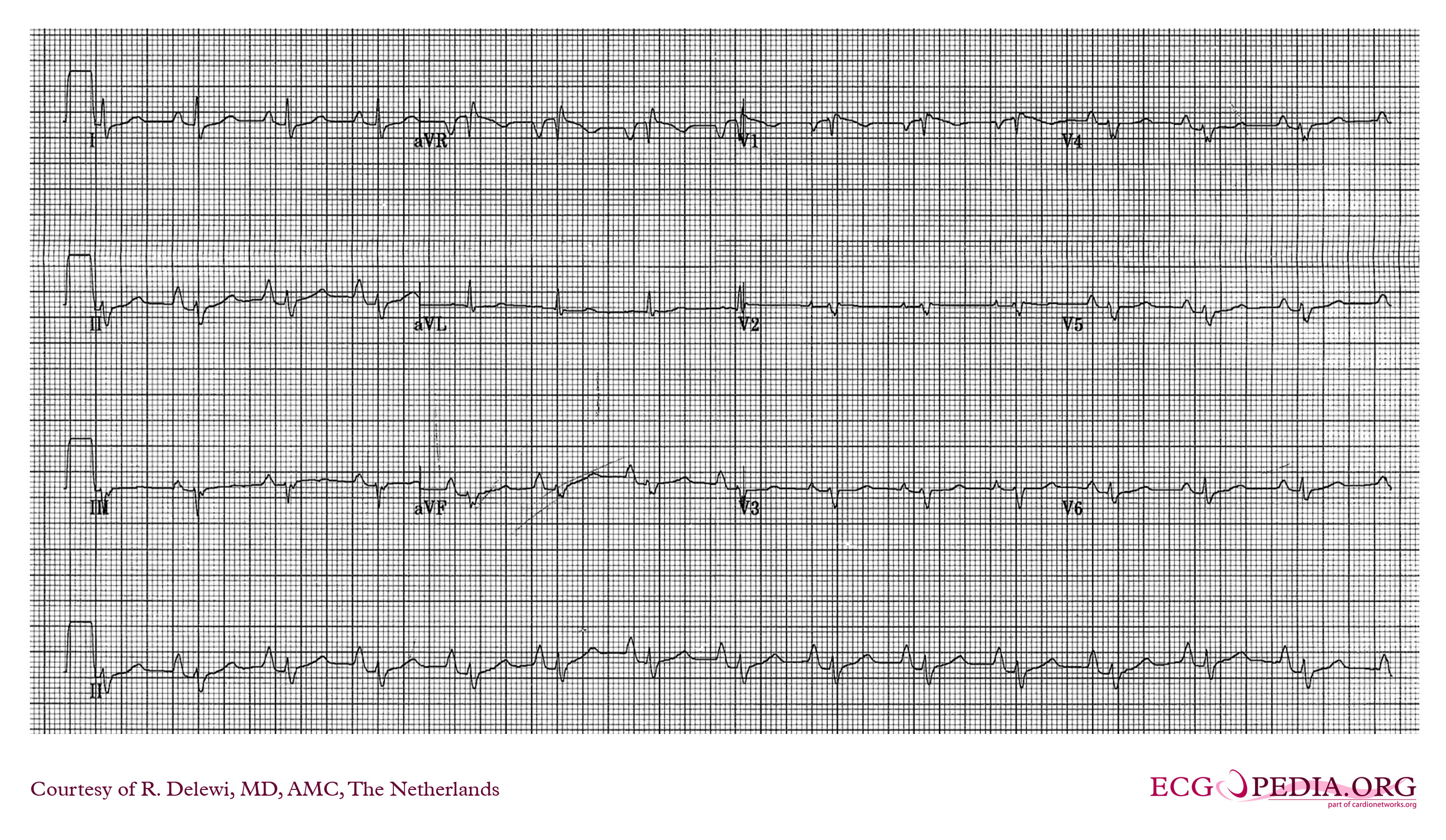
Title: ECG Following Cardiac Transplant

Category: Cardiology

Keywords: Cardiac Transplant (PubMed Search)

Posted: 12/1/2013 by Semhar Tewelde, MD (Updated: 8/28/2014)

ECG Following Cardiac Transplant


Show References

Attachments


Title: Utility of Intra-Aortic Balloon Pump

Category: Cardiology

Keywords: Intra-Aortic Balloon Pump, Cardiogenic Shock (PubMed Search)

Posted: 11/17/2013 by Semhar Tewelde, MD (Updated: 11/17/2013)

Utility of Intra-Aortic Balloon Pump (IABP)

Show References


Title: Secondary Prevention in Acute Myocardial Infarction (AMI)

Category: Cardiology

Posted: 11/3/2013 by Semhar Tewelde, MD (Updated: 11/16/2013)

Secondary Prevention in AMI

Just as aspirin is pivotal in the treatment of acute coronary syndrome, medications such as beta-blocker, statins, and angiotensin-converting enzyme inhibitors have been proven to be essential in secondary prevention of AMI.

Patients after AMI are typically discharged on appropriate secondary prevention medications; however the prescribed doses are often far below the proven efficacy based on clinical trials.

A review of 6,748 patients from 31 hospitals enrolled in 2 U.S. registries (2003 to 2008) illustrated that only 1 in 3 patients were prescribed these medications at goal doses.

Of patients not discharged on goal doses, up-titration during follow-up occurred infrequently ~25%.

Optimal medication dosing and appropriate titration is integral to prevention of further morbidity and mortality.

Show References


Title: Ebstein's Anomaly

Category: Cardiology

Posted: 10/20/2013 by Semhar Tewelde, MD

Ebstein's Anomaly

Show References


Title: Acute Aortic Syndromes

Category: Cardiology

Keywords: Aortic Syndrome, Aortic Dissection, Intramural hematoma, Atheromatous ulcer (PubMed Search)

Posted: 10/6/2013 by Semhar Tewelde, MD

Acute Aortic Syndromes

Classically, aortic dissection is considered the primary culprit in patients with chest pain that radiates to the back (aortic pain) or chest pain combined with ischemia (cerebral, cardiac, peripheral), syncope, or cardiac arrest. However, it should not be your only concern: the rate of aortic rupture is much higher in penetrating atheromatous ulcer (42%) and intramural hematoma (35%) than in aortic dissection (types A 7.5% and type B 4.1%).

Chest pain with concomitant ischemic symptoms and acute decompensation should prompt consideration of several etiologies under the umbrella of aortic syndromes and not limited to dissection :

  1. Penetrating atheromatous ulcer - rupture of an atheromatous plaque through the internal elastic lamina, with subsequent localized medial disruption and potential dissection, pseudoaneurysm formation, or free rupture
  2. Intramural hematoma - rupture of the vasa vasorum or hemorrhage within an atherosclerotic plaque followed by aortic wall infarct
  3. Aortic dissection- an intimal tear with resultant propagation within the middle third of the medial layer of the aorta
  4. Aneurysm leak or rupture - progressive vessel dilation and increased wall tension
  5. Traumatic transection - rapid deceleration forces or direct trauma, commonly shearing distal to left subclavian artery at aortic isthmus where the aorta is fixed by ligamentum arteriosum

Show References


Title: Is RBBB More Indicative of Large Anteroseptal MI?

Category: Cardiology

Keywords: Bundle branch block (PubMed Search)

Posted: 9/22/2013 by Semhar Tewelde, MD


Is RBBB More Indicative of Large Anteroseptal MI?


Show References


Title: Is there a Malignant Form of Early Repolarization?

Category: Cardiology

Posted: 9/8/2013 by Semhar Tewelde, MD


*Please see the attachment below for Figures A-D

Show References

Attachments


Title: Is there superiority among the different types of cardiac stents?

Category: Cardiology

Posted: 8/25/2013 by Semhar Tewelde, MD (Updated: 3/4/2026)


Show References


Title: "Malignant" Mitral Valve Prolapse (MVP)

Category: Cardiology

Posted: 8/5/2013 by Semhar Tewelde, MD


Show References


Title: Glycemic Control and Cardiovascular Risk

Category: Cardiology

Posted: 7/29/2013 by Semhar Tewelde, MD (Updated: 3/4/2026)

Tight glycemic control (HbA1C<7%) has previously been recommended in CAD based on data from the United Kingdom Prospective Diabetes Study (UKPDS)

A recent study (JACC) evaluated the relationship between glycemic control, cardiovascular disease (CVD) risk, and all-cause mortality 

Patients with a mean HbA1C 7-7.4% were compared to those with mean HbA1C <6%; tight glycemic control had a 68% increased risk of CVD hospitalization

Lenient HbA1C>8.5% also had significantly higher risk

CVD risk and all-cause mortality is greater with both aggressive and lax glycemic control and the optimal reference range may lie between 7-7.4%

Show References


Title: Mechanical vs. Manual Chest Compressions

Category: Cardiology

Posted: 7/21/2013 by Semhar Tewelde, MD


Show References


Title: Cardiac Complication of Thoracic Irradiation

Category: Cardiology

Posted: 7/14/2013 by Semhar Tewelde, MD

Radiation therapy is frequently utilized in the management of numerous thoracic malignancies

Cardiovascular disease is now the leading cause of nonmalignancy death in radiation-treated cancer survivors

The spectrum of radiation-induced cardiac disease is broad

The relative risk of CAD, CHF, pericardial/valvular disease, and conduction abnormalities is particularly increased

Early identification of potential cardiac complications w/cardiac MR and echocardiography provides an opportunity for regular assessment and potentially improved long term mortality

Show References


Title: Loss of Precordial T-Wave Balance

Category: Cardiology

Posted: 7/7/2013 by Semhar Tewelde, MD (Updated: 3/4/2026)


  1. Typically the normal ECG shows progression of T-wave size across the precordial leads & the T-wave in V1 is inverted or flat
  2. A large upright T-wave in V1 can be considered normal when there is high voltage/LVH or LBBB
  3. A new upright T-wave in V1 can be indicative of significant atherosclerotic disease
  4. If the T-wave in V1 is larger than the T-wave in V6 have a high suspicion for myocardial disease
  5. A new tall upright T-wave in V1 has ~84% specificity for ischemic heart disease (Barthwal)

Show References


Title: Statin Therapy on Intracoronary Plaque

Category: Cardiology

Posted: 6/30/2013 by Semhar Tewelde, MD (Updated: 3/4/2026)


Show References


Previous  |  1 |  2 |  3 |  4 |  5 |  6 |  Next