61-80 of 550 results with category "Toxicology"

Previous  |  1 |  2 |  3 |  4 |  5 |  6 |  7 |  8 |  9 |  ... |  28 |  Next

Title: E-cigarette, or vaping, product use-associated lung injury (EVALI) update from CDC

Category: Toxicology

Keywords: EVALI, e-cigarette, vaping, lung injury (PubMed Search)

Posted: 11/22/2019 by Hong Kim, MD


As of November 20, 2019:

2290 cases of e-cigarette, or vaping, product use-associated lung injury (EVALI) from 49 states (except Alaska), District of Columbia and 2 U.S. territories.

Analysis of 29 bronchoalveolar lavage (BAL) fluid samples from EVALI patients submitted to CDC from 10 states showed:

*** Vitamin E acetate appears to be associated with EVALI but the investigation is continuing.*** 

Some research has suggested that oral vitamin E use has potential beneficial effects (i.e. anti-inflammatory/antioxidant) in the lung (e.g. asthma and allergic lung disease), cardiovascular disease and prostate cancer (Cook-Mills JM et al. 2013; Jiang Q et al. 2001)

Common uses of vitamin E

There is limited to no data on pulmonary effect of vitamin E from inhalation in the scientific literature.

Stay tuned for additional updates from CDC.

Show References


Title: Observation for the development of metformin associated lactic acidosis after an acute metformin overdose

Category: Toxicology

Keywords: meformin overdose, metformin associated lactic acidosis, observation period (PubMed Search)

Posted: 11/14/2019 by Hong Kim, MD


Metformin is one of the most commonly prescribed oral hypoglycemic agents. Metformin associated lactic acidosis (MALA) is uncommon but potentially life-threatening complication of metformin overdose. 

Lactic acidosis occurs due to inhibition of mitochondrial glycerophosphate dehydrogenase, resulting in decreased conversion of lactic acid to pyruvate.

A small retrospective study (using Illinois Poison Center data) attempted to characterize the development of MALA after an acute overdose.

MALA was defined as 

Results

40 cases of MALA identified between Jan. 2001 to Dec. 2014

Time to development of MALA (n=30)

Death: 1 (2.5%)


Conclusion

  1. The majority of MALA developed within 6 hours. However, delayed onset of MALA can occur, up to 12 hours post ingestion.
  2. Minimum of 12 hour of observation is recommended after an acute metformin overdose.

Show References


Title: Use of droperidol for cannabinoid hyperemesis syndrome

Category: Toxicology

Keywords: droperidol, cannabinoid hyperemesis syndrome, recurrent nausea/vomiting (PubMed Search)

Posted: 11/7/2019 by Hong Kim, MD


Droperidol has recently become available again in select U.S. institutions. It has been used as an antiemetic and to treat agitation prior to the FDA’s black box warning (for QT prolongation) and national shortage. 

Recently, a retrospective study was conducted (Melbourne, Australia) in the use of droperidol in the management of cannabinoid hyperemesis syndrome (CHS).

Results

689 medical records were identified from January 2006 to December 2016.

76 cases met diagnostic criteria of CHS (below)

Droperidol group (DG) = 37; no droperidol group (NDG)= 39 

Median length of stay: 

Median time to discharge after final drug administration: 

Frequency of droperidol (dose) used: 

  1. 0.625 mg (n=25)
  2. 1.25 mg (n=20)
  3. 2.5 mg (n=17)

Metoclopramide and Ondansetron use in non-droperidol group was twice that of droperidol group

Conclusion


Title: Clinical utility of VA-ECMO in refractory drug-induced cariogenic shock

Category: Toxicology

Keywords: VA-ECMO, drug-induced cardiogenic shock (PubMed Search)

Posted: 10/24/2019 by Hong Kim, MD


Patients with drug-induced cardiogenic shock [DIC] (e.g. overdose of CCB/BB, membrane stabilizing agents, etc.) are often managed with medical interventions such as vasopressors, bicarbonate infusion, high-dose insulin, lipid emulsion therapy. A fraction of these patients may be refractory to the standard medical therapy. VA-ECMO (venoarterial extracorporeal membrane oxygenation) has been utilized in such situation; yet clinical experience of using VA-ECMO in DIC is limited.

A recent retrospective study of the Extracorporeal Life Support Organization’s ECMO registry showed

Conclusion

Show References


Title: Trend of suicide attempt in adolescent and young adults

Category: Toxicology

Keywords: suicide attempt, adolescent, young adults, epidemiological trend (PubMed Search)

Posted: 10/10/2019 by Hong Kim, MD (Updated: 3/4/2026)


The rate of suicide attempt has been increasing over the past decade. A recently published article investigated the temporal trend of suicide attempts in adolescent/young adult population (10 – 25 years old) from 2000 to 2018.

 Methods

Results

Top 5 substance involved in suicide attempt

  1. OTC analgesics
  2. Antidepressants
  3. Sedative hypnotics
  4. Antihistamines
  5. Antipsychotics

Agents associated with serious medical outcome (after 2011)

  1. Antidepressants
  2. OTC analgesics
  3. Antihistamines 
  4. ADHD medications

Conclusion

Show References


Title: Clinical and demographic characteristics of e-cigarrette exposure: 2010-2018

Category: Toxicology

Keywords: e-cigarrette liquid exposure, National Poison Data System (PubMed Search)

Posted: 10/3/2019 by Hong Kim, MD


E-cigarette (vaping) use has become increasingly popular over the past 10 years, especially among adolescents. Intentional exposure (i.e. ingestion in self harm) of nicotine (e-cigarette liquid) can be life threatening where it can produce mixture of stimulatory (early), cholinergic toxicity and muscle paralysis/respiratory failure by blocking the neuromuscular junction. However, the severity of clinical toxicity in unintentional exposure can vary widely depending on the dose/route/circumstance of their exposure.

A recently published study investigated the characteristics of e-cigarette liquid exposure between Jan 1, 2010 to Dec 31, 2018 using the National Poison Data System

Result

Top 4 clinical/demographic characteristics are listed below.

Age group:

Route of exposure

Level of care:

Clinical effects - overall

In <5 years group

Conclusion

Show References


Title: Capsaicin for cannabinoid hypermesis syndrome?

Category: Toxicology

Keywords: capsaicin, cannabinoid hyperemesis syndrome, marijuna use. (PubMed Search)

Posted: 9/19/2019 by Hong Kim, MD


Cannabinoid hyperemesis syndrome [CHS] (i.e. cyclic/recurrent nausea, vomiting and abdominal pain) is associated with long-term and frequent use of marijuana. Patients with CHS often report temporary relief of symptoms with hot water/shower exposure. Emergency room providers may encounter a growing number of patients with CHS with increasing legalization of marijuana-containing products.

Topical capsaicin has been gaining interest as a potential adjunct to the conventional management of patients with CHS (e.g. antiemetics, opioids, benzodiazepines and antipsychotics).

A small retrospective study was performed involving 43 patients who had multiple visits, and were treated with and without capsaicin. The primary outcome was the ED length of stay (LOS).

Results

  1. Anti-emetics
  2. Haloperidol
  3. Diphenhydramine 


Conclusion

Show References


Title: Officer, I'm not drunk. I just used a mouth wash!

Category: Toxicology

Keywords: ethanol, breath analyzer, mouth wash (PubMed Search)

Posted: 9/12/2019 by Hong Kim, MD


Breath analyzers are commonly used by law enforcment officers to test for alcohol intoxication. Breath analyzer uses ethanol partition ratio between blood:breath of 1:2100 = 1 gm of ethanol in 2100 mL of breath/air.

Mouth wash products are frequently used for oral hygiene, and at times, to "mask" odor of substances. These products are readily available in any grocery stores or pharmacy and contain upto 26.9% ethanol (e.g. Listerine) (18.9% - Scope; 14.0% - Cepacol).  

Recently, a small study using healthy volunteers (n=11) was published to investigate the impact of limited ethanol exposure (mouth wash and ethanol vapor) on the breath-alcohol concentration (BrAC).


Method

  1. Ethanol vapor exposure (856 mg/m3) for 15 minute. 
  2. Oral rinse (for 30 sec) using mouth wash containing 22% ethanol, 1 hour after the ethanol vapor exposure
  3. Blood and breath samples were collected before, between and after exposure.


Results

Blood: No or very low levels of ethanol (0.002 mg/g) were detected in blood at all collection time for both exposures.

BrAC - first collection -- seconds after exposure


Mean time to negative BrAC level (Swedish statutory limit of 0.1 mg/L = 0.01 mg/dL in air) (FYI: US limit = 80 mg/dL)


Conclusion

Show References


Title: Can too much whipped cream be bad for your health? Nitrous oxide toxicity

Category: Toxicology

Keywords: nitrous oxide, neurotoxicity (PubMed Search)

Posted: 9/5/2019 by Hong Kim, MD


Numerous different household products can potentially be misused/abused. One such product is whipped cream charger/propellant that contains nitrous oxide.

Acute toxicity produce dose dependent response

Chronic toxicity causes myeloneuropathy (demyelination of the dorsal and lateral columns of the spinal cord) due to vitamin B12 deficiency

Management

Show References


Title: Spider bite

Category: Toxicology

Posted: 9/5/2019 by Kathy Prybys, MD (Updated: 3/4/2026)

Question

A 3 year old is bitten by a spider on his right ear which is causing him intense pain, tachycardia, and muscle cramping. Identify the spider.  What is the treatment?


Show Answer


Title: CDC alert: Vaping associated pulmonary injury

Category: Toxicology

Keywords: vaping, THC, e-cigarette, pulmonary injury (PubMed Search)

Posted: 8/22/2019 by Hong Kim, MD


Center for Disease Control and Prevention (CDC) recently issued alerts regarding cases of pulmonary illnesses that may be linked to "vaping" (in 15 states with 149 possible cases). These cases are still under investigation but all cases reported vaping weeks/months prior to hospitalization.


Most cases involve young adults who have been using THC-containing products

Common complaints included


Imaging studies:


Clinical course


What to do:

Show References


Title: drug-induced liver injury and its implicated agents

Category: Toxicology

Keywords: drug-induced liver injury (PubMed Search)

Posted: 8/16/2019 by Hong Kim, MD (Updated: 3/4/2026)


Direct hepatotoxicity from a drug is predictable and dose-dependent.

Most commonly implicated agents include:

On the contrary, idiosyncratic prescription drug-induce liver injury is rare, unpredictable and not related to dose.

Most commonly implicated agents are:

  1. Amoxicillin-clavulanate
  2. Isoniazid
  3. Nitrofurantoin
  4. TMP-SMZ
  5. Miocycline
  6. Cefazolin
  7. Azithromycin

Bottom line:


Title: How common is hematologic toxicity from copperhead bite?

Category: Toxicology

Keywords: hematologic toxicity, copperhead envenomation, bleeding (PubMed Search)

Posted: 8/1/2019 by Hong Kim, MD


Hematologic toxicity (coagulopathy/bleeding) can occur with pit viper envenomation. Copperhead is the most commonly implicated pit viper envenomation in the U.S. However, the prevalence of hematologic toxicity from copperhead envenomation is variable, possibly due to regional variation in venom potency and species misidentification. 

An observation study was performing using multi-center (Virginia Commonweath university, University of Virginia Medical Center and Eastern Virginia Medical medical center) electronic hospital/medical records (Jan 1, 2006 to Dec 31, 2016) of suspected copperhead bites. Authors state that copperhead snakes are "nearly exclusively endemic" to the VCU and UVA medical center region.


Results:

388 patients were identified but 244 met inclusion/exclusion criteria.


Hematologic toxicity: 14%


Conclusion

In a small sample of copperhead envenomation in Virginia, “subtle” hematologic abnormalities were observed but clinically significant hematologic toxicity was not observed (i.e. bleeding)

Show References


Title: Pulmonary complication from reversal of opioid overdose with naloxone

Category: Toxicology

Keywords: naloxone, pulmonary edema, aspiration, overdose (PubMed Search)

Posted: 7/19/2019 by Hong Kim, MD


Pulmonary complications - aspiration, pulmonary edema, etc. are frequently reported in both heroin intoxication and in reversal of opioid overdose with naloxone. 

Suspected opioid overdose victims (N=1831) who received naloxone from EMS providers were studied retrospectively. Pulmonary complications were defined as pulmonary edema, aspiration pneumonia and aspiration pneumonitis.

Results


Conclusion

Higher out of hospital naloxone administration is associated with increased odds of developing pulmonary complications

Show References


Title: Human errors involving "push dose pressors"

Category: Toxicology

Keywords: push dose pressor, phenylephrine, epinephrine, human error (PubMed Search)

Posted: 7/11/2019 by Hong Kim, MD


“Push dose pressors” – administration of small doses of vasopressors in the emergency room has become a common practice. A recently published study investigated the incidence of human error and adverse hemodynamic events.

Push dose pressors were defined as:

Adverse hemodynamic event was defined as:

249 out of 1522 patients were identified and analyzed from Jan 2010 to November 2017

Adverse event

Errors


Conclusion

Show References


Title: Sudden Sniffing Death

Category: Toxicology

Keywords: Sudden sniffing death, Inhalants, Fluoridated Hydrocarbons (PubMed Search)

Posted: 7/5/2019 by Kathy Prybys, MD (Updated: 7/5/2019)

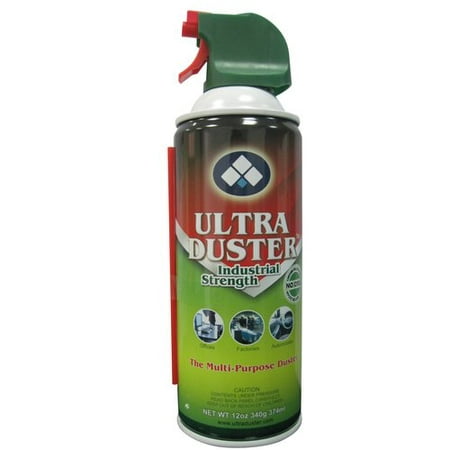
Volatile inhalants such as glue, lighter fluid, spray paint are abused by "sniffing" (from container), "huffing" (poured into rag), or "bagging" (poured into bag). "Dusting" is the abuse of canned air dust removal products. These inexpensive easliy accessible products are so dangerous  that manufacturers include product warnings regarding lethal consequences from misuse and even may indicate that a bitterant is added to discourage use. Common duster gases include the halogenated hydrocarbons, 1,1-difluoroethane or 1,1,1-trifluroethane which are highly lipid soluble and rapidly absorbed by alveolar membranes and distributed to CNS. Desired effect of euphoria and disinhibition rapidly occur but unwanted side effects include confusion, tremors, ataxia, pulmonary irritation, asphyxia and, rarely, coma.

"Sudden sniffing death" is seen within minutes to hours of use and is due to ventricular arrhythmias and cardiovascular collapse. Available experimental evidence postulates the following mechanisms: Inhibition of cardiac sodium, calcium, and repolarizing potassium channels hERG and I(Ks) causing reduced conduction velocity and altered refractory period leading to reentry arrythmias or myocardial "sensitiization" to catecholamines resulting in after depolarizations and enhanced automaticity. Treatment should include standard resuscitation measures but refractory arrythmias to defibrillation have been reported and use of amiodarone and beta blockers should be considered.


Bottom Line:


Ultra Duster Aerosol with Trigger, 12 oz

Show References


Title: Cyanide antidote in the pipeline (submitted by James Leonard, PharmD)

Category: Toxicology

Keywords: cyanide toxicity, sodium tetrathionate, (PubMed Search)

Posted: 6/27/2019 by Hong Kim, MD


Cyanide poisoning, while uncommon, is frequently fatal. Current antidotes include methemoglobinemia inducers (nitrites), sulfur donators (thiosulfate), and hydroxocobalamin. Each has risks and benefits that must be considered. Three new potential antidotes, including sodium tetrathionate, have recently been evaluated in swine models.

 
Intramuscular sodium tetrathionate1

Advantages:

Bottom line:

Show References


Title: Intranasal administration of naloxone for suspected opioid overdose

Category: Toxicology

Keywords: intranasal naloxone, opioid overdose, reversal (PubMed Search)

Posted: 6/19/2019 by Hong Kim, MD


Naloxone distribution programs have been expanding to promote the naloxone adminstration by laypersons, usually intranasal (IN) device, to victims of opioid overdose. A recent study analyzed the reports of prehospital naloxone administration reported to a regional poison center.


Opioid toxicity revesal:


However, between 2015 and 2017, the reversal rate decreased (82.1% to 76.4%) while mean administered naloxone dose increased (2.12 mg to 3.63 mg). The cause of this trend is unknown but the dose of commercially available IN naloxone kit increased from 2 mg to 4 mg in 2016.


Bottom line:


Show References


Title: Prevalence of fentanyl exposure in Baltimore

Category: Toxicology

Keywords: opioid use disorder, fentanyl exposure, baltimore, (PubMed Search)

Posted: 6/13/2019 by Hong Kim, MD


Since 2013, the availability of fentanyl has been increasing in the illicit drug supply, especially in heroin supply. Fentanyl and its analogs have been responsible for the dramatic increase in opioid overdose death over the past 5 years. 

Two recent cross-sectional studies screened ED patients with opioid use disorder for fentanyl exposure.

Study 1:

Study 2: 

Bottom line:

Show References


Title: Online market place for toxic substances

Category: Toxicology

Keywords: toxic substance, online retailers, amazon.com, (PubMed Search)

Posted: 6/6/2019 by Hong Kim, MD


Many chemicals and substances - both legal and illegal - can be purchased from an online retailer. A recent study searched Amazon.com to see if any of the "extremely hazardaous substances" identified by Environmental Protection Agency (EPA) were available for purchase.

Amazon.com was searched over 10-month period.

Result:


Bottom line:

Toxic substances are readily available from many online retailers that can potentially cause serious toxicity. Online retailers should consult with experts and governmental agencies to limit the availability of such products.

Show References


Previous  |  1 |  2 |  3 |  4 |  5 |  6 |  7 |  8 |  9 |  ... |  28 |  Next