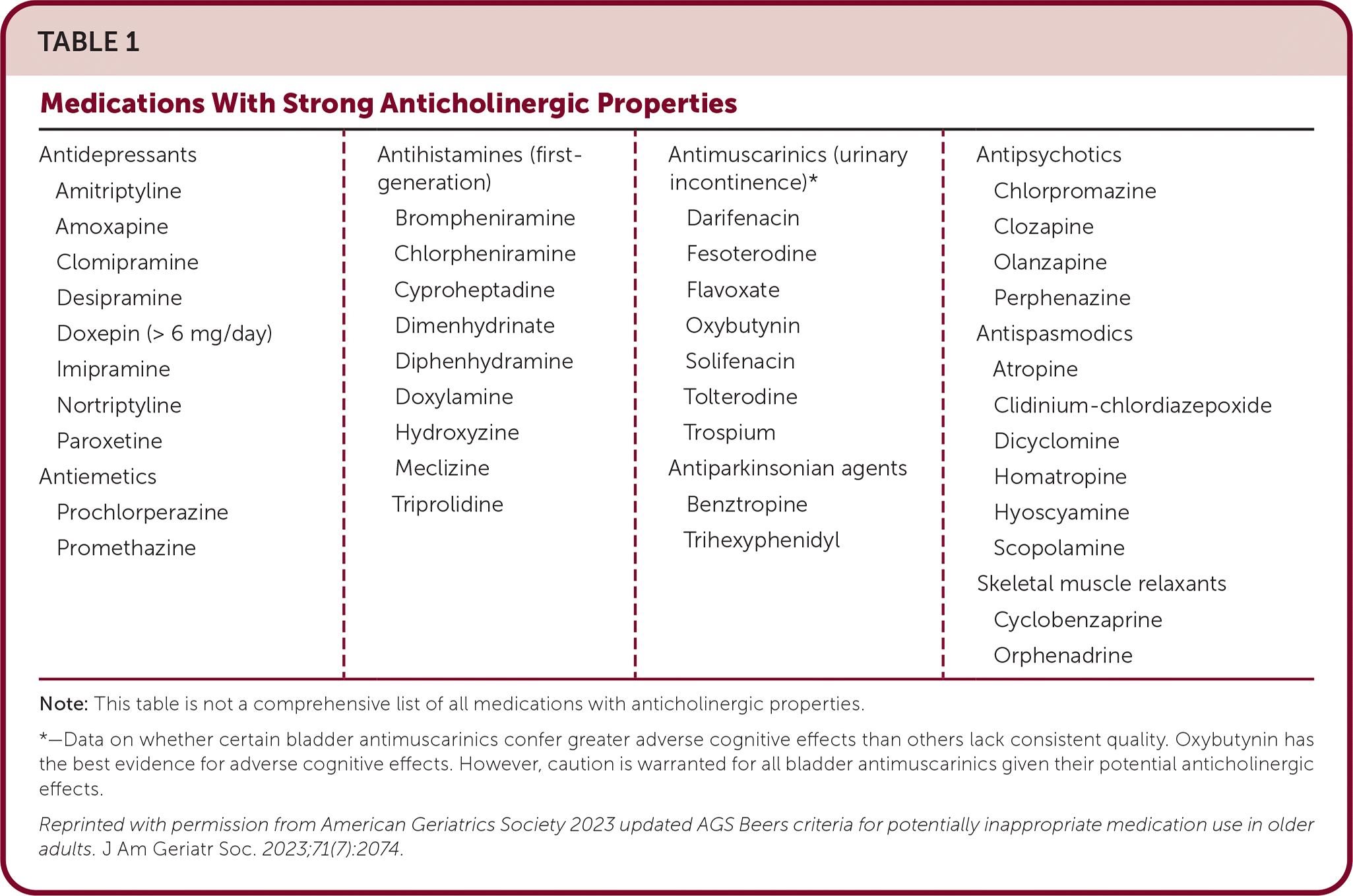
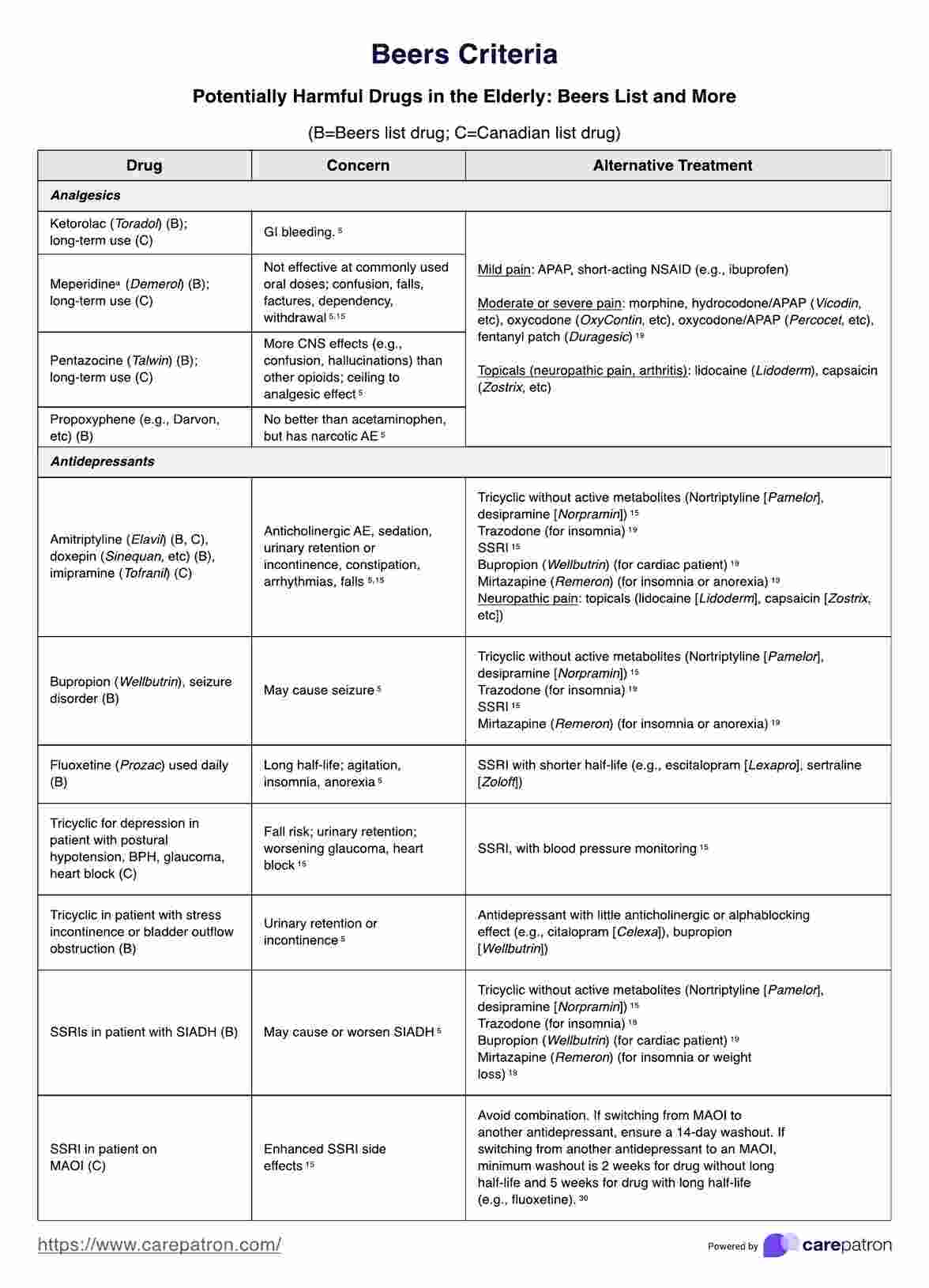
As a reminder, prescribing medications to older patients should be done with caution because of changed physiology, co-morbid conditions and other currently used medications. The Beers Criteria is a helpful list of medications that may cause trouble for your older patients. https://www.guidelinecentral.com/guideline/340784/#section-2776198 is a list of medications to either avoid or prescribe carefully in this patient population.
Pay particular attention to medications that have anticholinergic properties as they cause change in mental status and increase the risk for falls.
This study attempts to validate the use of the Geriatric Fever Score to predict 30 day mortality in patients over age 65 presenting to an emergency department with fever.
The Geriatric Fever Score uses: leukocytosis, severe coma, and thrombocytopenia. One point is award for each abnormality.
Not surprisingly, mortality went up with the higher the score (33%, 42% and 57% for 0,1,2 points)
For me, I’m not discharging anyone with severe coma, leukocytosis or thrombocytopenia in this patient population therefore I’m not sure this scale has much utility for the practicing emergency physician.
This article serves as a great reminder that our older patients are on a significant amount of medications and many of these medications effect cognition. Cognitively impaired patients are at risk of medication errors. High risk medications in older patients include anticoagulants, opioids, anticholinergics, hypoglycemic/insulin and sedating medications. The authors found:
It is important to ask how the patient takes (or doesn’t take) their medications as well as other social determinate of health such as living alone.
Prioritizing the timely admission of older patients from the emergency department (ED) to appropriate wards is essential to reduce adverse events, such as falls and infections, and to decrease the duration of hospital stays. Recent cohort studies, both observational and prospective, have demonstrated that elderly patients who experienced prolonged or overnight stays in the ED had a higher in-hospital mortality rate compared to those who were admitted earlier to inpatient care. Efficient patient flow and early admission from the ED to appropriate wards are crucial strategies for improving survival rates and reducing morbidity among older patients.
This Delphi study and companion editorial highlight current thought on frailty screen in emergency department patients. Key takeaways are:
Emergency departments should be instituting procedures that incorporate screening older patients for frailty. These references are a good starting point.
Elderly patients (mean age of 84 years) living in the community who are seen and discharged from the Emergency Department due to illness or injury are at increased risk for further disability and functional decline for at least six months after their visit. This is associated with increased mortality, cost and need for long term care in previously self-functioning individuals. * When appropriate to discharge from the ED, we should consider discharge planning that includes coordination with care management services to be sure these individuals have adequate home support systems in place and access to close outpatient follow-up.
*It should be noted that the risk is even greater after inpatient hospitalization.
Yes.
Serum creatinine decreases with age with the decrease in lean body mass. However, the number of functioning glemeruli and kidney function decrease with age as well, making the creatinine an unreliable indicator of renal function in older adults.
The solution? Calculate the creatinine clearance (CrCl) (or GFR) for a more accurate assessment of the renal function. You can use simple equations such as the Cockroft-Gault equation which incorporate the body weight and age.
CrCl (mL/min) = (140-age) x lean body weight (kg) x (0.85 if female)
serum creatinine (mg/dL) x 72
Many elderly patients have thin skin making suture repair of lacerations difficult. Consider using Steri-Strips™ in combination with sutures to close fragile skin tears.
1. Apply Steri-Strips™ perpendicular to the wound in order to approximate skin edges.
2. Place sutures through both the applied Steri-Strips™ and skin and knot the suture.
This technique will help prevent the suture from tearing the skin as the tension of the suture will be distributed across the surface area of the Steri-Strips™.
Is your older patient hard of hearing (HoH)? Instead of shouting, get a stethoscope. Put the ear buds in your patient's ears and talk into the bell. It is a hearing amplifier you carry with you.
Bonus pearl: If you use the disposable stethoscopes, then the patient can keep it in their room and use it whenever anyone wants to talk to them.
Based in part upon Geriatric Emergency Department Guidelines, the American College of Emergency Physicians has initiated a Geriatric Emergency Department Accreditation Program. Emergency departments (EDs) can be accredited at one of three levels- Gold (Level 1), Silver (Level 2) and Bronze (Level 3). There are various aspects upon which and EDs’ level is determined, including nurse and physician staffing and education, appropriate policies and protocols, quality improvement activities, outcome measures, equipment and the physical environment.
Older patients are less likely than their younger counterparts to mount a fever in response to an infection. One explanation is that their basal temperature is lower. Some experts suggest redefining fever in older patients to match this decrease of 0.15C per decade. Therefore, your 80 year old patient would be considered “febrile” if their temperature is above 37.3C, rather than the traditional 38C.
- Half of elderly patients presenting with pneumonia will manifest signs of delirium
- Tachypnea is the most reliable and earliest vital sign abnormality
- Classic symptoms are not often helpful at predicting severity of illness
- Symptoms are unreliable
- Cough (63-84%)
- Dyspnea (58-74%)
- Fever by history (53-60%)
- Fever at arrival (12-32%)
- Pleuritic chest pain (8-32%)
- Sputum (30-65%)
25% of U.S. health care spending goes to the 6% of people who die every year. ICUs account for 20% of all health care costs. A new study has shown that patients with POLST (Physician Orders for Life-Sustaining Treatments) forms are less likely to receive unwanted life sustaining treatments when compared to patients with traditional Do-Not-Resuscitate orders (http://www.ohsu.edu/polst/). Using the POLST did not impact the degree of comfort care received for symptom management and helped individuals make more informed choices about the type and level of end-of-life care they wish to receive.
15% of older adults presenting to ED for dizziness have serious etiologies; 4-6% are stroke-related and sensitivity of CT for identifying stroke or intracranial lesion in dizziness is poor (16%), so if CNS etiology suspected, seek neuro consult or MRI (83% sensitivity)
A recent study was undertaken to validate the 4A's Test for the assessment of delirium in the elderly, with particular focus on inpatient geriatric patients; it revealed that the tool had high sensitivity in detecting delirium, particularly in those with dementia or language barriers, in whom this diagnosis can often be difficult to make. Further studies would be useful in a similar demographic of emergency department geriatric patients to confirm that this straightforward test is generalizable to the emergency department geriatric patient population.
Asymptomatic bacteriuria is common and increases with age, with an incidence of up to 50% in women over the age of 70. Asymptomatic bacteriuria does not carry an associated high morbidity or mortality if left untreated; it is usually transient and resolves spontaneously. In order to decrease polypharmacy and possible drug interactions in our elderly patients, they should only be diagnosed with and treated for a UTI if they have laboratory evidence of a UTI (bacteriuria and pyuria) and have two of the following:
· Fever
· Worsened urinary urgency or frequency
· Acute dysuria
· Suprapubic tenderness
· Costovertebral angle tenderness
Providing consistent, quality emergency care to the elderly is critically important. The Geriatric Emergency Department (GED) guidelines, developed collaboratively, provide a standardized set of guidelines to help improve care of the geriatric population in the emergency department.