461-480 of 860 results with category "Critical Care"

Previous  |  1 |  ... |  19 |  20 |  21 |  22 |  23 |  24 |  25 |  26 |  27 |  28 |  29 |  ... |  43 |  Next

Title: Back to Basics: Is that the RV or the LV?

Category: Critical Care

Posted: 4/14/2015 by Haney Mallemat, MD

Question

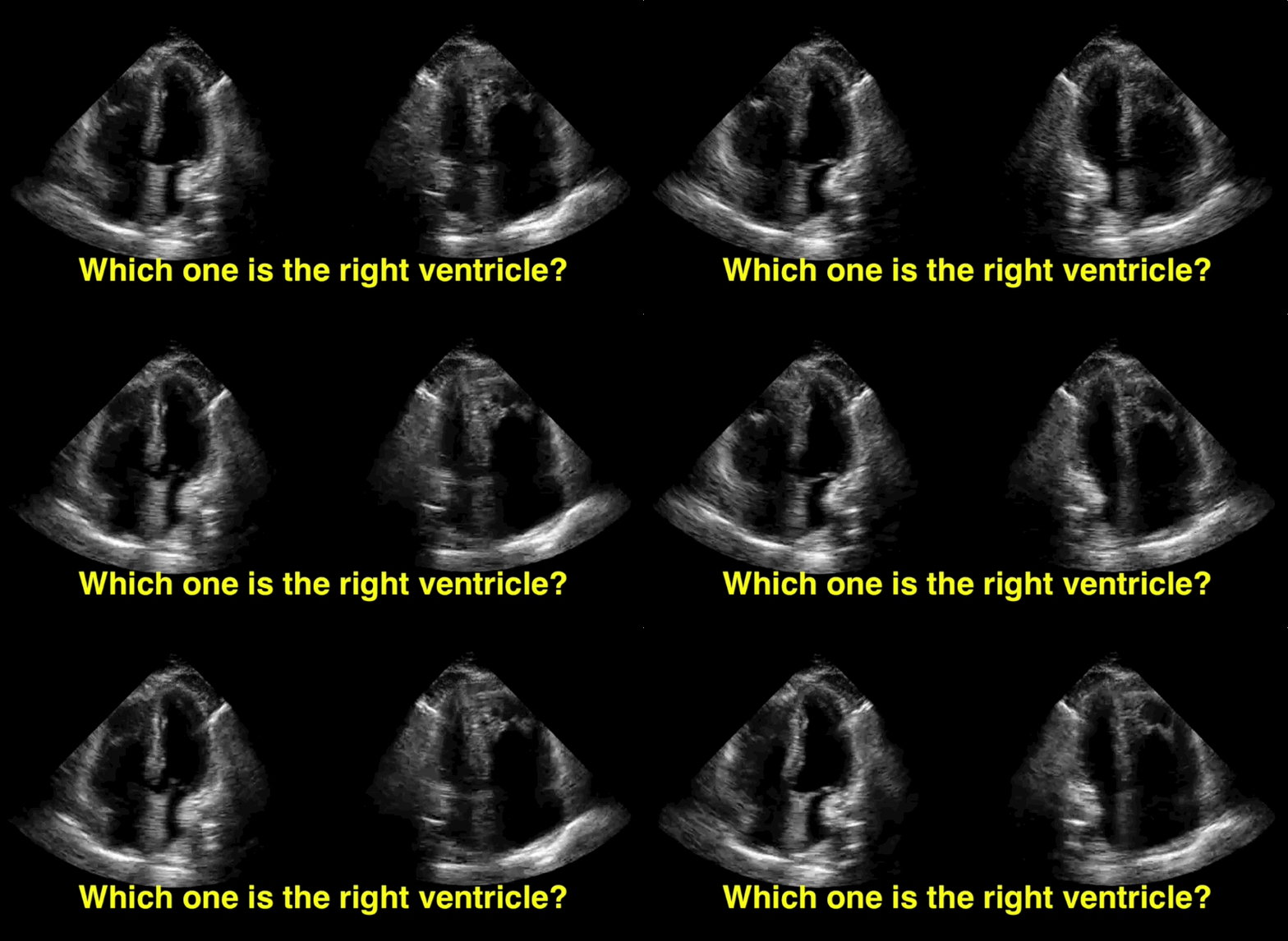
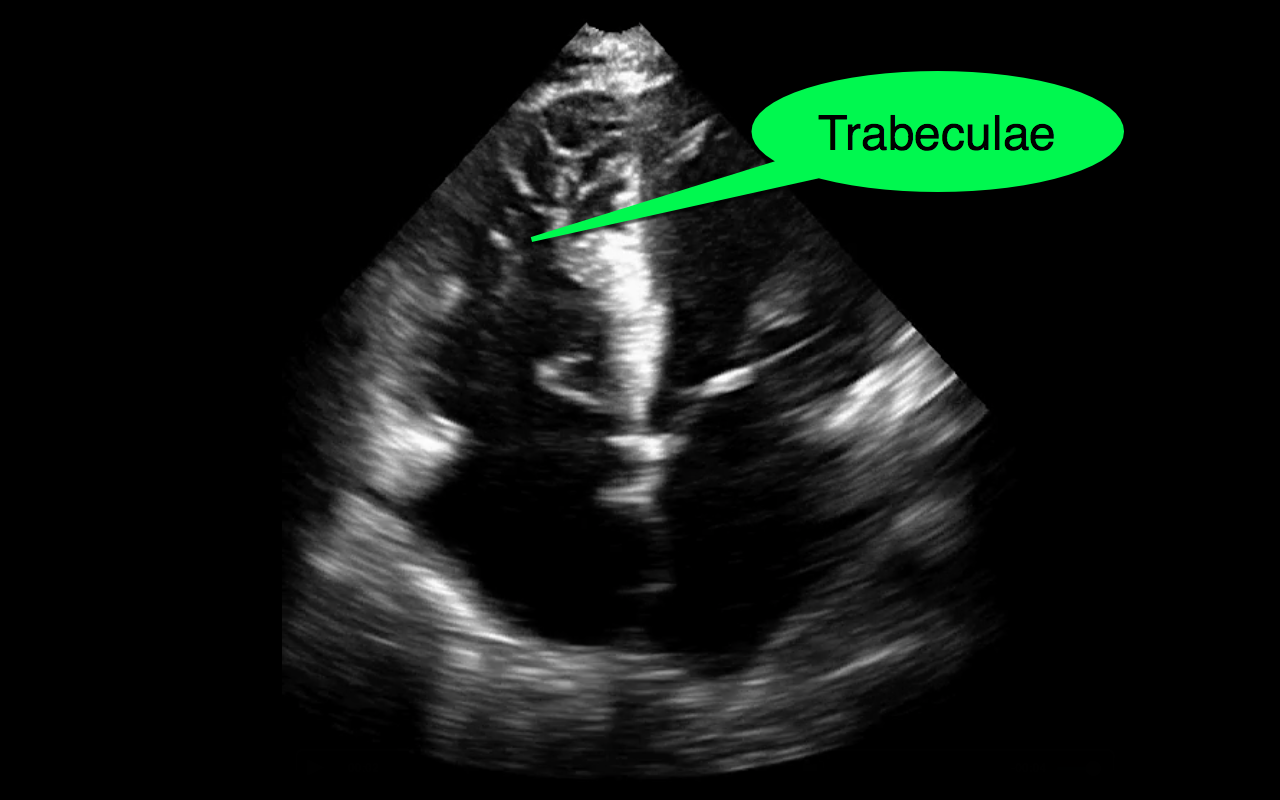
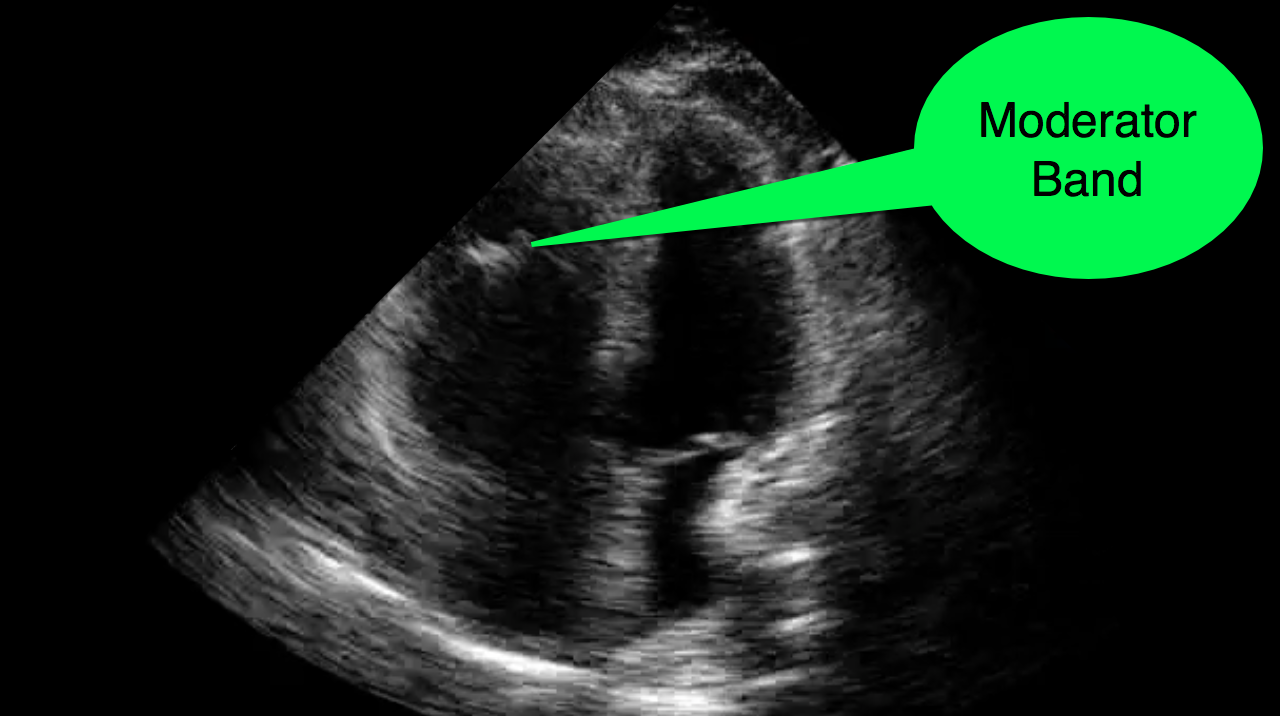
You decide to do a R.U.S.H. exam on your hypotensive patient and perform an apical four-chamber view.You see one of the two clips below; are there any tricks to figure out which is the left ventricle and which is the right ventricle?

Show Answer

Show References


Title: Non-Invasive Positive Pressure Ventilation

Category: Critical Care

Keywords: NIPPV (PubMed Search)

Posted: 4/7/2015 by Feras Khan, MD

Show References


Title: Mechanical Ventilation Practices in the ED

Category: Critical Care

Posted: 3/31/2015 by Mike Winters, MBA, MD

Mechanical Ventilation in the ED

Show References


Title: Stop looking for the "Best PEEP", aim for a "Better PEEP"

Category: Critical Care

Keywords: mechanical ventilation, ARDS, PEEP (PubMed Search)

Posted: 3/24/2015 by John Greenwood, MD (Updated: 3/4/2026)


Stop looking for the “Best PEEP”, aim for a “Better PEEP”

Mechanical ventilation settings in the patient with acute respiratory distress syndrome (ARDS) need to provide adequate gas exchange and prevent ventilator induced lung injury (VILI). Positive end-expiratory pressure (PEEP) is often prescribed with consideration of the patient’s FiOrequirement, estimated chest wall compliance, and hemodynamic tolerance. 

So what is the best strategy for PEEP prescription?

In a recent review, Gattinoni & colleagues analyzed a number of the recent studies examining PEEP optimization.  In this paper, the authors conclude that there is no “Best PEEP,” and regardless of the level chosen there will be some degree of intratidal recruitment-derecruitment and VILI.  They go on to recommend a PEEP prescription strategy that reflects the severity of ARDS using the patient’s PaO2/FiO2 or P/F ratio.  

Bottom line: There is no “Best PEEP” however, a “Better PEEP” is one that is primarily tailored to the severity of the patient’s ARDS, but also compensates for chest wall resistance and minimizes hemodynamic compromise.    


References

  1. Gattinoni L, Carlesso E, Cressoni M. Selecting the 'right' positive end-expiratory pressure level. Curr Opin Crit Care. 2015;21(1):50-7.
  2. ARDSnet PEEP table: http://www.ardsnet.org/system/files/Ventilator%20Protocol%20Card.pdf


Follow me on Twitter @JohnGreenwoodMD


Title: The results are in! The ProMISe Trial

Category: Critical Care

Posted: 3/18/2015 by Haney Mallemat, MD (Updated: 3/18/2015)

The results of a multi-center trial from the UK, the ProMISe trial, were just released and it confirms what two prior studies (i.e., ProCESS and ARISE) have already shown; there does not appear to be any difference in mortality when septic patients are treated with a strategy of early-goal directed therapy as compared to usual care.

Patients were included in the ProMISe trial if they were in septic shock and were then randomized to either the EGDT group (630 patients) or the usual care group (630 patients); a total of 1,260.

The primary end-point was all cause mortality at 90 days and there was no difference shown in the primary outcome. There were no differences found in the measured secondary outcomes (e.g., serious adverse events)

This trial adds to the evidence that septic patients may not benefit from protocolized (i.e., EGDT) care versus usual care. One explaination why, is that our "usual care" in 2015 has significantly changed since the introduction of EGDT in 2001.

Show References


Title: Transfusion in Major Trauma: The PROPPR Trial

Category: Critical Care

Keywords: massive transfusion, trauma, bleeding, critical care, severe trauma, PROPPR (PubMed Search)

Posted: 3/10/2015 by Feras Khan, MD

Transfusion in Major Trauma: The PROPPR Trial

What should we be transfusing in major trauma?

The Trial

Results

Conclusions

How does this affect my practice?

A 1:1:1 transfusion practice is safe and can decrease mortality from hemorrhage in major trauma

Other points: control bleeding, permissive hypotension, avoid crystalloids, use TEG to guide therapy (TXA etc)

Show References


Title: HFNC for Apneic Oxygenation

Category: Critical Care

Posted: 3/3/2015 by Mike Winters, MBA, MD

High-Flow Nasal Cannula for Apneic Oxygenation

Show References


Title: The Role of the CVP in a Post- "7 Mares" Era

Category: Critical Care

Keywords: CVP (PubMed Search)

Posted: 2/24/2015 by John Greenwood, MD


The Role of the CVP in a Post- “7 Mares” Era
 

The role for using central venous pressure (CVP) as a measure of volume responsiveness has largely fallen out of favor over the years.1 There are certainly better indices for fluid responsiveness, but don’t be fooled – the CVP isn’t a one trick pony.  In fact, a high or rapidly rising CVP should raise a significant concern for impending cardiovascular collapse.

Consider the following differential diagnosis in the patient with an abnormally high or rising CVP ( >10 cm H2O).

Bottom Line: In a time where the utility of the CVP has been largely dismissed, remember that an abnormal CVP offers great deal of information beyond a simple measure of volume status.


References

  1. Marik PE, Baram M, Vahid B. Does central venous pressure predict fluid responsiveness? A systematic review of the literature and the tale of seven mares. Chest. 2008;134(1):172-8.
  2. Berlin DA, Bakker J. Starling curves and central venous pressure. Critical Care. 2015;19(1):55.

Follow me on Twitter: @JohnGreenwoodMD


Title: Cold on the outside, make 'em warm on the inside

Category: Critical Care

Posted: 2/17/2015 by Haney Mallemat, MD

As the cold and snow rips through the United States, hypothermia is a major concern because each year approximately 1,300 Americans die of hypothermia.

Classification of hypothermia:

  • Mild (32-35 Celsius): shivering, hyperventilation, tachycardia, but patients are usually hemodynamically stable.
  • Moderate (28-32 Celsius): CNS depression, hypoventilation, loss of shivering, risk of arrhythmias, and paradoxical undressing
  • Severe (<28 degrees Celsius): increased risk of ventricular tachycardia/fibrillation, pulmonary edema, and coma

The risk of cardiac arrest increases when the core temperature is less than 32 Celsius and significantly rises when the temperature is less than 28 Celsius. Rapid rewarming is required as part of resuscitation should cardiac arrest occur.

A rescue therapy to consider (when available) is extra corporeal membrane oxygenation (ECMO). ECMO not only provides circulatory support for patients in cardiac arrest, but allows re-warming of patients by 8-12 Celsius per hour.

Some studies quote survival rates of 50% with hypothermic cardiac arrest patients receiving ECMO versus 10% in similar patients who do not receive ECMO.

As winter lingers in the United States, consider speaking to your cardiac surgeons now to plan an Emergency Department protocol for hypothermic patients that may require ECMO.

Show References


Title: Updates in preventative strategies in the ICU

Category: Critical Care

Keywords: VAP, chlorhexidine baths, subglottic suctioning (PubMed Search)

Posted: 2/10/2015 by Feras Khan, MD

Updates in preventative strategies in the ICU

Preventing Ventilator Associated Pneumonia (VAP)

The trial

Bottom Line

Daily bathing with chlorhexidine does not reduce health care associated infections

The trial

Bottom Line

Show References


Title: Hypertensive Emergencies

Category: Critical Care

Posted: 2/3/2015 by Mike Winters, MBA, MD

Hypertensive Emergency Pearls

Show References


Title: Extracorporeal Treatment Strategies for Acute Methanol Poisoning (When to Dialyze)

Category: Critical Care

Keywords: Methanol, toxicology, methanol toxicity, critical care (PubMed Search)

Posted: 1/27/2015 by John Greenwood, MD (Updated: 1/30/2015)


Extracorporeal Treatment Strategies for Acute Methanol Poisoning (When to Dialyze)


Methanol toxicity is classically included in the differential for the intoxicated patient presenting to the ED. Add a negative EtOH level, anion/osmolar gap, blindness and you have yourself a slam dunk diagnosis. The goal is to stop the liver from metabolizing methanol to formic acid. Outside of fomepizole (or old school ethanol therapy), dialysis is often discussed, but when should you actually get the nephrologist on the phone?

This month the Extracorporeal Treatments in Poisoning Workgroup released a systematic review and consensus statement to help clinicians decide when to pull the HD trigger. Their suggestions are below.

When to start HD:

  1. Neurologic dysfunction: Coma, seizures, new vision deficits
  2. Metabolic acidosis: blood pH ≤7.15 or persistent metabolic acidosis despite adequate supportive measures & antidotes
  3. Serum anion gap higher than 24 mmol/L
  4. Serum methanol concentration:
    • > 700 mg/L (21.8 mmol/L) if fomepizole therapy is given
    • > 600 mg/L or 18.7 mmol/L if ethanol treatment is given
    • > 500 mg/L or 15.6 mmol/L in the absence of an alcohol dehydrogenase blocker

Which Modality: Intermittent HD (IHD) should be used over continuous renal replacement therapies (CRRT), as you can clear the toxin faster with higher HD flows.

When to stop HD: Extracorporeal treatment can be terminated when the methanol concentration is less than 200 mg/L or 6.2 mmol/L and a clinical improvement is observed.

Bottom Line:  Consider early hemodialysis in most patients presenting with methanol toxicity.  Clinical exam and routine lab testing will likely provide enough information to determine the need for IHD, but specific methanol levels can be helpful to guide adjunctive treatment options.


Reference

Roberts DM, Yates C, Megarbane B, et al. Recommendations for the Role of Extracorporeal Treatments in the Management of Acute Methanol Poisoning: A Systematic Review and Consensus Statement. Crit Care Med. 2015;43(2):461-472.


Follow me on Twitter @JohnGreenwoodMD
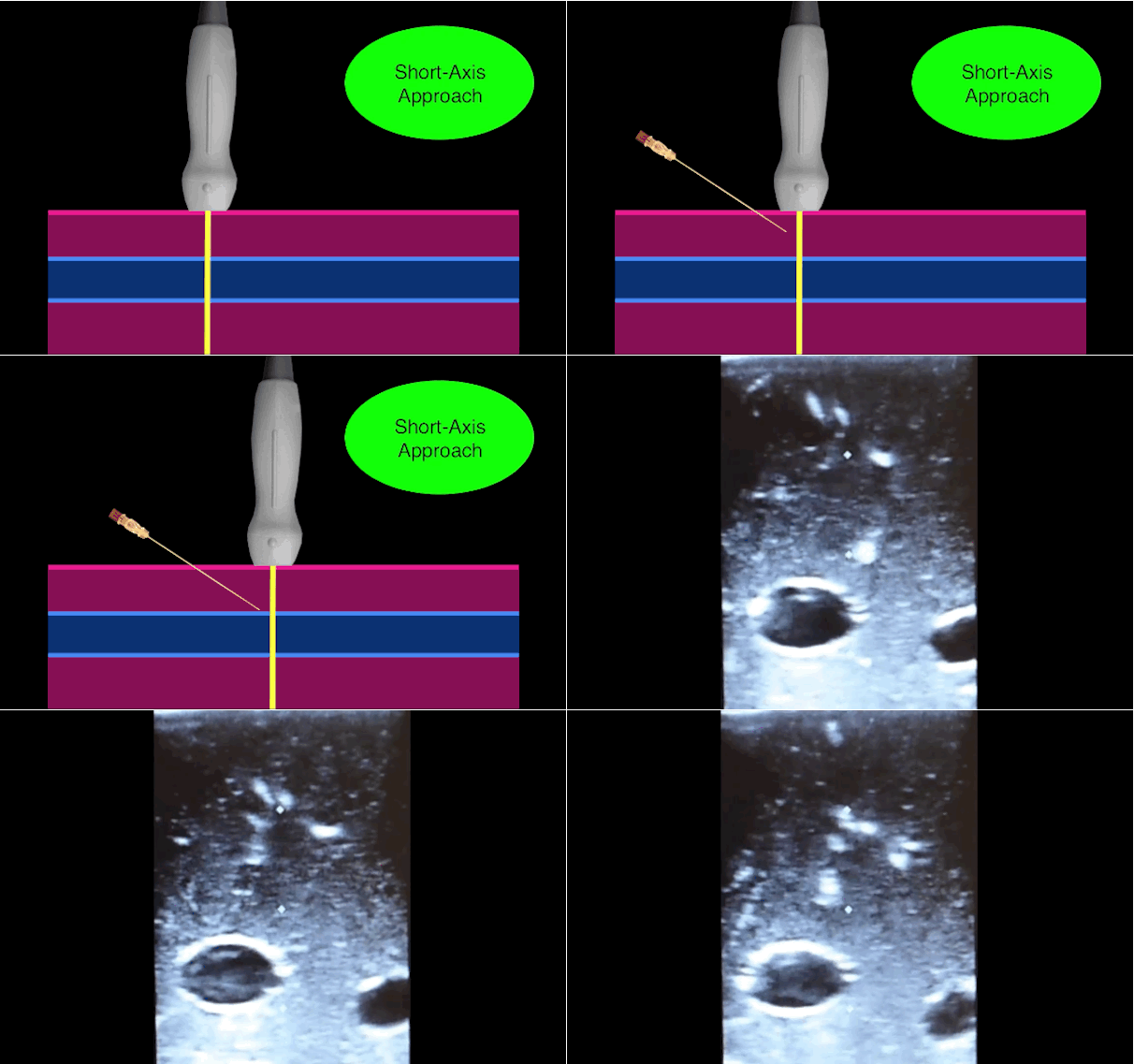


Title: Can you use an intraosseous line for RSI?

Category: Critical Care

Posted: 1/20/2015 by Haney Mallemat, MD

Show References


Title: Diaphragm weakness and its significance

Category: Critical Care

Keywords: diaphragm weakness, respiratory failure (PubMed Search)

Posted: 1/13/2015 by Feras Khan, MD

Diaphragm weakness and its significance

There are several ways to monitor diaphragm strength and function

Clinical Relevance

Show References


Title: Tips for the Resuscitationist - "PQRST"

Category: Critical Care

Posted: 1/6/2015 by Mike Winters, MBA, MD

"PQRST" - Capnography in Cardiac Arrest

Show References


Title: Cartoons Kill: A new high-risk patient for critical illness & death

Category: Critical Care

Posted: 12/30/2014 by John Greenwood, MD


Cartoons Kill: A new high-risk patient for critical illness & death

This past month, the BMJ published an impressive retrospective review that analyzed nearly 80 years of data to find that animated characters in children’s films are in fact at a very high-risk for death when compared to characters in adult dramas.

Films ranged from 1937 (Snow White) to 2013 (Frozen) and were compared against the two highest gossing dramatic films in that same year.  The authors found that nearly two thirds of the children’s animated films contained an on-screen death of an important character compared to only half in adult dramas. 

Fatalities were most commonly the result of:

Other high-risk animated characters include the parents of the protagonist (17.8% mortality) and nemeses (28.9% mortality).  Median survival time was approximately 90 minutes (much less than the usual ED LOS!)

Notable early on-screen deaths included Nemo’s mother being eaten by a barracuda 4 minutes into Finding Nemo, Tarzan’s parents being killed by a leopard 4 minutes into Tarzan, and Cecil Gaines’ father being shot in front of him 6 minutes into The Butler.

The author’s intention  was to point out the psychological impact of death on young children, but I think the authors also highlight an important, high-risk patient population that could present to your ED.


Bottom Line: Animated characters should be aggressively resuscitated and strongly considered for admission to a higher level of care should they present to your ED, as they appear to be at high-risk for death and rapid decompensation.

May all of you have a happy and safe 2015!


Reference

1. Colman I, Kingsbury M, Weeks M, et al. CARTOONS KILL: casualties in animated recreational theater in an objective observational new study of kids' introduction to loss of life. BMJ. 2014;349:g7184.

Follow me on Twitter: @JohnGreenwoodMD


Title: Intraarterial therapy: Time for change or time for pause?

Category: Critical Care

Posted: 12/23/2014 by Haney Mallemat, MD

Treating ischemic strokes with interventional therapies (e.g., clot retrievers, stents, intra-arterial tPA, etc.) is nothing new, but there has never been a randomized control trial demonstrating benefit until recently.

The prospective MR CLEAN trial evaluated whether interventional therapies (i.e., either mechanical intervention or intra-arterial tPA) would confer benefit; patients were included if there was an acute occlusion within the proximal intracranial portion of the anterior cerebral circulation.

90% of patients received alteplase prior to randomization; there were 233 patients in the intervention group (alteplase + intraarterial intervention) and 267 patients in the usual care care arm (alteplase only); all patients were treated within 6 hours of symptoms onset

The primary outcome was functional independence at 90 days; an absolute difference of 13.5 percentage points favoring the intervention group was found. There were no significant differences in mortality or symptomatic intracerebral hemorrhage.

Despite these exciting results, we must pause and ask why this was this the first randomized trial demonstrating benefit when previous trials could not? Here are three blogs posts that deep dive this question and raise even more questions:

Show References


Title: Influenza 2014-What you need to know

Category: Critical Care

Keywords: influenza, tamiflu, (PubMed Search)

Posted: 12/16/2014 by Feras Khan, MD

How does it present?

Who cares…I got my vaccine! Does the vaccine work this year?

Can I test for this?

The CDC is recommending treatment...wait I thought we were done with Tamiflu?

Who is at risk/who deserves consideration for treatment?

Pearls of treatment

What are the side effects of anti-viral agents?


Show References


Title: The Critically Ill Patient with Ebola Virus Disease

Category: Critical Care

Posted: 12/9/2014 by Mike Winters, MBA, MD

The Critically Ill Patient with Ebola Virus Disease

Show References


Title: Back 2 Basics Series: Dynamic Measures of Intravascular Volume Assessment

Category: Critical Care

Posted: 12/2/2014 by John Greenwood, MD


Dynamic Measures of Intravascular Volume Assessment

The resuscitation of a patient in shock often requires the administration of intravenous fluid.  Excessive fluid resuscitation can lead to worsening pulmonary edema, systemic edema, acid-base disturbances, as well as many other complications. There are a myriad of techniques to try and figure out if the patient needs more intravascular volume, but each has it’s pitfalls.

Recently, experts have recommend that we move away from using static measures of preload assessment such as central venous pressure (CVP) and instead focus on using dynamic measures for volume responsiveness.

Volume Responsiveness Defined: An increase of stroke volume of 10-15% after a 500 mL IV crystalloid bolus over 10-15 minutes.

Below is a chart describing key values, requirements, and contraindications for each of these dynamic measures of non-invasive intravascular volume assessment. 

Important notes:  PPV and SVV require the patient to be intubated with controlled tidal volumes.  Arrhythmias and right heart failure make many of these measures invalid (except for PLR).  Other methods of assessment not discussed include systolic pressure variation, left ventricular outflow track velocity time integral (LVOT VTI), and end-expiratory occlusion pressure (EEO).

Bottom Line: None of these measures are perfect and shouldn't be used in isolation to determine if the patient’s “tank is full”.  Combine clinical judgment with these measures to get a best estimate of whether or not to give that next fluid bolus.  


Reference

1. Enomoto TM, Harder L. Dynamic indices of preload. Crit Care Clin. 2010;26(2):307-21, 

Follow Me on Twitter @JohnGreenwoodMD


Previous  |  1 |  ... |  19 |  20 |  21 |  22 |  23 |  24 |  25 |  26 |  27 |  28 |  29 |  ... |  43 |  Next