321-340 of 860 results with category "Critical Care"

Previous  |  1 |  ... |  12 |  13 |  14 |  15 |  16 |  17 |  18 |  19 |  20 |  21 |  22 |  ... |  43 |  Next

Title: Post-Arrest Interventions That Make A Difference

Category: Critical Care

Posted: 8/21/2018 by Mike Winters, MBA, MD

Critical Post-Arrest Interventions

Show References


Title: Epinephrine in OHCA

Category: Critical Care

Keywords: Resuscitation, OHCA, prehospital medicine, cardiac arrest, epinephrine (PubMed Search)

Posted: 8/14/2018 by Kami Windsor, MD (Updated: 3/4/2026)

The highly-awaited PARAMEDIC2 trial results are in:


Interestingly, the authors also queried the public as to what mattered to them most: 


Bottom Line:

Show Additional Information

Show References


Title: Beta Agonists and Lactic Acidosis in Severe Asthma

Category: Critical Care

Posted: 8/7/2018 by Ashley Menne, MD

Respiratory alkalosis is the most common acid-base disturbance in acute severe asthma.


Lactic acidosis is also extremely common, developing in up to 40%. This may be related to:

- tissue hypoxia

- increased respiratory muscle usage related to work of breathing

- beta agonist therapy


The first report of beta agonist administration associated with hyperlactatemia was in 1981 in patients treated for preterm labor with terbutaline. Since then, numerous case reports and studies have linked IV and inhaled beta agonist administration with the development/worsening of lactic acidosis in severe asthmatics in the ICU and in the ED.


The exact mechanism is unclear, but is thought to be related to adrenergic stimulation leading to increased conversion of pyruvate to lactate.


In a study published in Chest in 2014, investigators evaluated plasma albuterol levels and serum lactate levels, as well as FEV1.

They found plasma albuterol levels correlated with lactate concentration and maintained significant association after adjusting for asthma severity (suggesting the association was independent of work of breathing/respiratory muscle usage).


Furthermore, several reports have suggested that dyspnea may improve in patients with elevated lactate and acidosis after beta agonists are withheld.


Take Home Points:

- Beta agonist therapy may contribute to lactic acidosis.

- Lactic acidosis may contribute to respiratory distress.

- In patients on prolonged, high-dose beta agonist therapy, consider checking a serum lactate periodically. If elevated, consider whether worsening lactic acidosis is contributing to respiratory distress and contemplate transitioning to less frequent treatments.

-Patients with severe asthma exacerbation and elevated serum lactate must have thorough evaluation for true tissue hypoxia/hypoperfusion. **Beta agonist associated hyperlactatemia should be a diagnosis of exclusion.**

Show References


Title: Analgesia In Ventilated ED Patients

Category: Critical Care

Posted: 7/24/2018 by Mike Winters, MBA, MD (Updated: 3/4/2026)

Improving Analgesia in Mechanically Ventilated ED Patients

Show References


Title: Noninvasive Ventilation in Do-Not-Intubate Patients

Category: Critical Care

Keywords: noninvasive positive pressure ventilation, NIV, NIPPV, DNI, do-not-intubate, palliative care, end-of-life, respiratory distress (PubMed Search)

Posted: 7/17/2018 by Kami Windsor, MD

When a do-not-intubate (DNI) hospice patient arrives in the ED with respiratory distress, consideration of non-invasive positive pressure ventilation (NIPPV) could invoke either a “What other option do I have?” or “Why torture the patient and prolong the dying process?” sentiment.


But what’s the data?

A recently-published meta-analysis1 found that in DNI patients receiving NIPPV, there was a 56% survival rate to hospital discharge and 32% survival to 1-year.


Independent studies have demonstrated:


Bottom Line:

  1. NIPPV can benefit DNI patients -- most identifiably those with COPD or cardiogenic pulmonary edema as the etiology for their respiratory distress.
  2. Mild benefits to dyspnea have been seen in CMO patients, without survival benefit. A trial of NIPPV therapy may be reasonable (especially in COPD or CHF) after frank discussion with the patient and his/her loved ones, with quick cessation if comfort is not achieved and/or more discomfort is caused.

Show References


Title: Legionella Pneumonia

Category: Critical Care

Posted: 7/11/2018 by Ashley Menne, MD (Updated: 8/7/2018)

Legionella is an important cause of community-acquired pneumonia. It ranks among the three most common causes of severe CAP leading to ICU admission and carries a high mortality rate – up to 33%. Resulting from inhalation of aerosols containing Legionella species and subsequent lung infection, it is often associated with contaminated air conditioning systems, and other hot and cold water systems.


Recommended antibiotic regimens include a fluoroquinolone, either in monotherapy or combined with a macrolide (typically Levaquin +/- or Azithromycin).


A retrospective, observational study published in the Journal of Antimicrobial Chemotherapy in 2017 looked at 211 patients admitted to the ICU with confirmed severe legionella pneumonia treated with a fluoroquinolone vs a macrolide and monotherapy vs combination therapy. Combination therapy included fluoroquinolone + macrolide, fluoroquinolone + rifampicin, or macrolide + rifampicin.


Of these 211 cases, 146 (69%) developed ARDS and 54 (26%) died in the ICU. Mortality was lower in the fluoroquinolone-based group (21%) than in the non-fluoroquinolone based group (39%), and in the combination therapy group (20%) than in the monotherapy group (34%). In a multivariable analysis, fluoroquinolone-based therapy, but not combination therapy was associated with a reduced risk of mortality (HR 0.41).


Take Home Points:

-Remember, our usual blanket coverage with vanc + zosyn in the ED does not cover atypicals!

-Consider Levaquin instead of Azithro if there is clinical concern for Legionella PNA

           -hyponatremia, abnormal LFTs may be clues in the appropriate context


Show References


Title: Volume Responsiveness and the PLR (Courtesy John Peffer)

Category: Critical Care

Posted: 6/26/2018 by Mike Winters, MBA, MD (Updated: 3/4/2026)

Volume Responsiveness, Carotid Ultrasound, and the PLR

Show References


Title: Appropriate Chest Compression Location in the Obese Patient

Category: Critical Care

Keywords: cardiac arrest, CPR, obesity (PubMed Search)

Posted: 6/19/2018 by Kami Windsor, MD

Although not specifically a part of current recommendations due to lack of data, the AHA has previously recommended shifting upward on the sternum during CPR in the pulseless pregnant patient in order to account for upward displacement of the heart by a gravid uterus. Should the same be done for our obese patients?

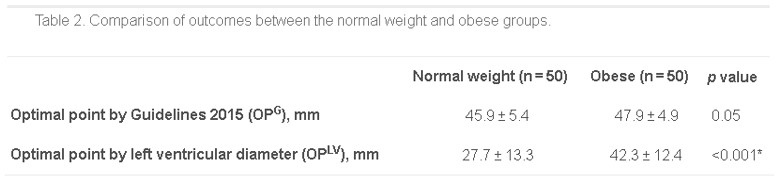
Lee et al. performed a retrospective study that reviewed chest CTs to determine the location on the sternum that corresponded to the optimal point of maximal left ventricular diameter (OPLV), in both obese and non-obese patients. 

They found that the OPLV was higher (more cranial) on the sternum for obese patients than for patients with normal weight, although 96% of obese patients' OPLV fell within 2cm of where the guidelines recommend standard hand placement should be, compared to a notable 52% in non-obese patients.

*as measured from the distal end of the sternum


Bottom Line: Radiographically, the location on the sternum that corresponds to optimal compression of the LV is more cranial in obese patients than in non-obese patients. It remains to be seen whether the recommendations for hand placement in CPR should be adjusted, but we may want to consider staying within 4cm of the bottom of the sternum in patients of normal weight. 

Show References


Title: 2018 Surviving Sepsis Update

Category: Critical Care

Keywords: sepsis, septic shock, guidelines (PubMed Search)

Posted: 5/22/2018 by Kami Windsor, MD

Take Home Points: 

  1. Early recognition of sepsis is crucial to initiating necessary therapies and improving outcomes.
  2. Patients with sepsis and septic shock benefit from early appropriate antibiotics, source control, and appropriate resuscitation.
  3. Empiric treatment of all-comers with possible sepsis with broad spectrum antibiotics and 30ml/kg of IV fluids, in order to meet a 1-hour deadline, has definite potential for harm. 

Show References


Title: Precedex for Delirium Prevention

Category: Critical Care

Posted: 5/15/2018 by Ashley Menne, MD

Precedex (dexmedetomidine) is a selective alpha-2 adrenergic receptor agonist used as a sedative.

It is unique among sedatives typically used in the ICU in that it lacks GABA activity and lacks anticholinergic activity.


Previous studies have shown significant positive changes in sleep patterns in critically ill patients sedated with dexmedetomidine:

-improved sleep efficiency – decreased sleep fragmentation, decreased stage 1 sleep, increased stage 2 sleep

-improved distribution of sleep (with more than ¾ sleep occurring at night)


Given importance of sleep and preservation of day-night cycles/ circadian rhythms in prevention of delirium, a recent randomized controlled trial evaluated dexmedetomidine's effect on delirium.


100 delirium-free critically ill adults receiving sedatives were randomized to receive nocturnal (21:30-06:15) IV dexmedetomidine (titrated to RASS -1 or max 0.7 mcg/kg/hr) OR placebo until ICU discharge.


80% of patients in the dexmedetomidine group remained delirium-free vs 54% in the placebo group.


There was no difference in the incidence of hypotension, bradycardia, or both between groups.


Show References


Title: DOAC Pearls for the Critically Ill Patient

Category: Critical Care

Posted: 5/1/2018 by Mike Winters, MBA, MD

DOACs and the Critically Ill

Show References


Title: Predicting Failure of Non-invasive Ventilation and High Flow Nasal Cannula

Category: Critical Care

Keywords: acute hypoxic respiratory failure, intubation, noninvasive positive pressure ventilation, high flow nasal cannula, BiPAP, vapotherm (PubMed Search)

Posted: 4/25/2018 by Kami Windsor, MD

ED physicians frequently utilize modailities such as noninvasive positive pressure ventilation (NIV) and high flow nasal cannula (HFNC) to support and potentially avoid intubation in patients presenting with acute hypoxic respiratory failure. Unfortunately, failure of these measures, resulting in "delayed" intubation, has been associated with increased mortality.1,2

A recent post-hoc analysis of data from a multicenter randomized controlled trial evaluated 310 patients with acute hypoxic respiratory failure managed with supplemental O2 by regular nasal cannula, HFNC, or NIV.3

The following factors were predictive of eventual intubation in the different groups: 

Of note, 45% of the 310 patients eventually required intubation, and these patients in general had a higher initial respiratory rate and lower PaO2 at presentation, and were more likely to have bilateral infiltrates on CXR. 

Bottom Line: Reevaluate your patients frequently. If RR remains high, P:F ratio remains low, or patient respiratory effort/work of breathing is not alleviated by noninvasive measures, consider pulling the trigger on intubation earlier.


Show References


Title: Linezolid-Associated Serotonin Toxicity

Category: Critical Care

Posted: 4/18/2018 by Ashley Menne, MD (Updated: 3/4/2026)

Linezolid, an antimicrobial agent in the oxazolidinone class, often used to cover MRSA and/or VRE, is a reversible MAOI that increases the risk of serotonin syndrome, particularly when administered with other serotonergic agents.


In 2011, the US FDA issued a warning against concomitant use of Linezolid and other serotonergic agents, particularly SSRIs and SNRIs.  When use of linezolid is absolutely indicated, an appropriate washout period prior to initiation was recommended.


Based on published reports and retrospective reviews, the incidence of linezolid-associated serotonin toxicity is between 0.54% and 18.2%.


A study published in the Journal of Clinical Psychopharmacology in Oct 2017 examined the incidence of serotonin syndrome with combined use of linezolid and SSRIs/SNRIs compared with linezolid alone and though there was a trend toward increased incidence in patients on SSRI/SNRIs, the authors were unable to find a statistically significant difference.

Several flaws:

-Study was retrospective

-Incidence of serotonin syndrome in both groups was very low: 1/87 (1.1%) in Linezolid + SSRI/SNRI group compared to 1/261 (0.4%) in Linezolid alone group.

-Patients in “Linezolid alone” group  were not on SSRIs or SNRIs, but were allowed to be on other serotonergic medications.


Despite this study, there are many (>30) case reports of Linezolid-associated serotonin syndrome in patients taking other serotonergic agents.


Cyproheptadine (the “antidote”) is an H1 antagonist and nonspecific serotonin antagonist.  A single case study published in 2016, reported successful use of cyproheptadine for prophylaxis against serotonin toxicity in a patient with schizophrenia, depression, and severe osteomyelitis requiring treatment with linezolid while on fluoxetine.


Bottom Line:

Risk of linezolid-associated serotonin syndrome may be lower than previously thought, however, it is still not recommended for use in patients taking concomitant serotonergic agents without an appropriate washout period.  


In case of resistant infection with no other antibiotic treatment options, the risks and benefits of concomitant administration must be weighed seriously and providers must familiarize themselves with and be vigilant in watching for signs/symptoms of serotonin toxicity.


In situations where use of linezolid is unavoidable in patients on concomitant serotonergic agents, prophylactic cyproheptadine may be considered.


Show References


Title: Acute on Chronic Liver Failure

Category: Critical Care

Posted: 4/3/2018 by Mike Winters, MBA, MD

Acute on Chronic Liver Failure

Show References


Title: Timing Matters- Start Sepsis Treatment Early

Category: Critical Care

Keywords: sepsis (PubMed Search)

Posted: 3/31/2018 by Ashley Martinelli (Updated: 3/4/2026)

Bottom Line: Implement sepsis protocols as soon as sepsis is suspected prior to the end of the 3 hour treatment window.


Show References


Title: Avoid Hyperoxia Post-Cardiac Arrest!

Category: Critical Care

Keywords: cardiac arrest, OHCA, ROSC, targeted temperature management, oxygen, hyperoxia (PubMed Search)

Posted: 3/27/2018 by Kami Windsor, MD (Updated: 3/4/2026)

Background:

Animal studies in post-ROSC management after cardiac arrest have repeatedly demonstrated poorer neurological outcomes with higher amounts of oxygen administration.Studies in humans have also demonstrated dose-dependent associations between hyperoxia and poorer neurologic outcomes, as well as in-hospital mortality.2,3

Recent Data

A retrospective analysis of prospectively-collected data in 187 OHCA patients undergoing postarrest care with targeted temperature management found worse neurologic outcomes in patients experiencing hyperoxia in the first 6 hours following ROSC.4

This association was dose-dependent, with worsening outcomes as with higher PaO2 levels >200.

Bottom Line:

Show References


Title: Management of Refractory Hypoxemia During VV ECMO

Category: Critical Care

Posted: 3/21/2018 by Ashley Menne, MD

Worsening hypoxemia is not uncommon upon initiation of VV ECMO for severe ARDS as tidal volumes drop to double digits  (often <20cc) after transition to “lung rest” ventilator settings. The following are strategies to improve peripheral oxygenation:


1. Increase the blood’s oxygen content

-       Ensure FIO2 of ECMO sweep gas is 1

-       Increase ECMO blood flow

o   Limited by cannula size and configuration – may require placement of additional venous drainage cannula

o   Also limited by greater risk of recirculation and hemolysis

-       Increase blood oxygen-carrying capacity

o   Transfuse PRBCs – some advocate for goal hemoglobin 12-14, though institutional practices vary significantly


2. Minimize recirculation

-       Maximize distance between drainage and return cannulae


3. Reduce oxygen consumption

-       Optimize sedation and neuromuscular blockade. (This is not the appropriate scenario for awake ECMO.)

-       Consider therapeutic hypothermia


4. Decrease cardiac output and intrapulmonary shunt

-       Consider beta blocker (esmolol) infusion

-       Prone positioning (only if staff are experienced with proning on ECMO as this poses significant risk of cannula displacement)


5. Consider switching to hybrid configuration (VVA – continued venous drainage cannula and venous return cannula with addition of arterial return cannula)  

Show References


Title: Risk Factors for Peri-Intubation Cardiac Arrest

Category: Critical Care

Posted: 3/20/2018 by Mike Winters, MBA, MD

Peri-Intubation Cardiac Arrest

Show References


Title: Empiric Antifungal Therapy in Septic Shock

Category: Critical Care

Keywords: ICU, fungal infection, septic shock, antifungal therapy, empiric (PubMed Search)

Posted: 2/27/2018 by Kami Windsor, MD

Which septic patients should receive empiric antifungal therapy?

Patients with fungemia only make up about 5% of patients presenting with septic shock, but invasive fungal infections are associated with increased hospital mortality (40-50%), prolonged ICU and hospital length of stay, and increased costs of care.1

The EMPIRICUS trial showed no mortality benefit to empiric antifungals for all, even patients with candidal colonization and recent exposure to antibiotics.2

Bottom Line

Therapy should always be tailored to the specific patient, but providers should strongly consider admininistering empiric echinocandin (micafungin, caspofungin) over fluconazole in patients with severe sepsis/septic shock and:

*Especially consider addition of antifungal in patients who do not show improvements after initial management with IVF and broad spectrum antibiotics in the ED.*

Show Additional Information

Show References


Title: Takotsubo's Cardiomyopathy

Category: Critical Care

Posted: 2/21/2018 by Ashley Menne, MD

-Nonischemic cardiomyopathy, classically seen in post-menopausal women preceded by an emotional or physical stressor

-Named for characteristic appearance on echocardiography and ventriculography with apical ballooning and contraction of the basilar segments of the LV – looks like a Japanese octopus trap or “takotsubo" (pot with  narrow neck and round bottom)

-Clinical presentation usually similar to ACS with chest pain, dyspnea, syncope, and EKG changes not easily distinguished from ischemia (ST elevations – 43.7%, ST depressions, TW inversions, repol abnormalities) and elevation in cardiac biomarkers (though peak is typically much lower than in true ACS)


** Diagnosis of exclusion – only after normal (or near-normal) coronary angiography **


-Care is supportive and prognosis is excellent with full and early recovery in almost all patients (majority have normalization of LVEF within 1 week)

-Supportive care may include inotropes, vasopressors, IABP, and/or VA ECMO in profound cardiogenic shock


** LVOT Obstruction **

-occurs in 10-25% of patients with Takotsubo’s cardiomyopathy

-LV mid and apical hypokinesis with associated hypercontractility of basal segments of the LV predisposes to LV outflow tract obstruction

-Important to recognize as it is managed differently:

            -may be worsened by hypovolemia, inotropes, and/or systemic vasodilatation

            -mainstay of treatment is avoidance of the above triggers/exacerbating factors while increasing afterload

                    *phenylephrine is agent of choice +/- beta blockade 


Take Home Points:

***Diagnosis of exclusion!!! Presentation very similar to ACS and ACS MUST be ruled out

* Treatment is supportive and similar to usual care for cardiogenic shock. Can be severe and require mechanical circulatory support!

*10-25% have LVOT obstruction. Manage with phenylephrine +/- beta blockade

Show References


Previous  |  1 |  ... |  12 |  13 |  14 |  15 |  16 |  17 |  18 |  19 |  20 |  21 |  22 |  ... |  43 |  Next