CO is formed from the incomplete combustion of carbon materials, eg. fires, stoves, portable heaters CO reversibly binds hemoglobin, producing carboxyhemoglobin (HbCO). This causes oxygen to bind more tightly to hemoglobin, releasing less in the tissues. Because of this, it affects the organs with the highest oxygen requirements most profoundly (eg. brain and heart).
Symptoms are mainly neurological and cardiovascular, but may include a wide variety of non-specific symptoms. The initial symptoms of CO poisoning may include headache and flu-like illness progressing to confusion, agitation, lethargy, seizures and coma.
Place patients on 100% oxygen to decrease the half-life of HbCO. Though controversial, HBO therapy is thought to decrease the incidence of neurologic sequelae. HBO therapy should be considered for patients with a HbCO level above 20%, severely symptomatic patients with lower levels, and pregnant patients. Remember that pulse oximetry will not be accurate.
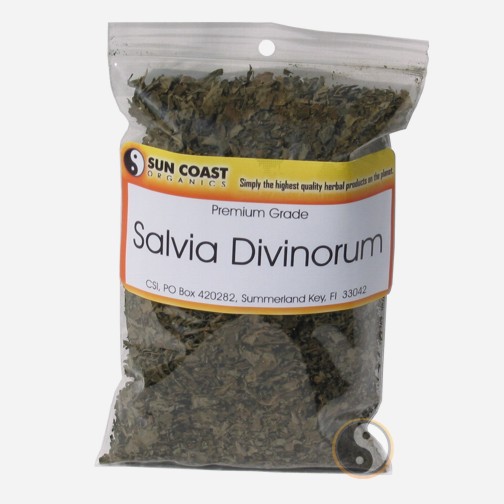
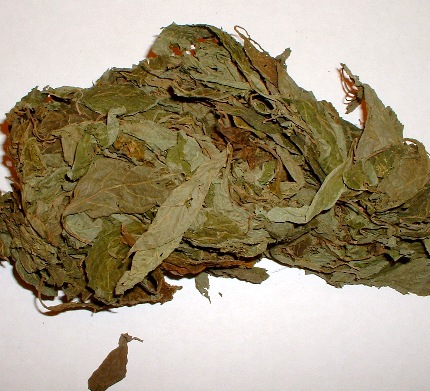
This is a psychoactive herb which can induce strong dissociative effects by stimulation of the kappa receptor. It has become increasingly well known and available in modern culture, and popularized by YouTube Salvia (also known as Sage, Diviner's Sage, Magic Mint, or Sally D) is usually smoked, but can be chewed or ingested.
The high it produces is very intense, but lasts only approximately 10 minutes. Currently many states have enacted legislation against it, including Fla, IL, KA, MI, MO, ND, OK and VA, but it is available over the internet.
The following video demonstrates clinical effects of drug.
Although it is amusing, this is not meant to condone use.
(if you can not view the embeded video here is the link)
http://www.youtube.com/watch?v=w6dgXX0ytSo
Several antihypertensive agents raise intracranial pressure. Normal cerebral blood flow (CBF) is constant within normal cerebral perfusion pressure (CPP) ranges, recalling that CPP=MAP-ICP.
If CPP is outside the range in which autoregulation occurs, e.g. due to a structural lesion, ischemic stroke, or head trauma, CBF decreases and can adversely affect the patient.
In patients with ischemic stroke or intracerebral pathology, labetalol or esmolol may be used to lower blood pressure without raising ICP. Nicardipine is recommended for use in patients with ischemic stroke or SAH but not in patients with brain injury
If the patient has NO structural abnormalities, but has hypertensive encephalopathy, nitroglycerin, nitroprusside, labetalol, esmolol, or nicardipine may be used.
Topical Lidocaine for local anesthesia
Disclosure: I have no financial or invested interest in the product or the company.
Alcohol-Drug Interactions
Other common medications that produce this reaction:
1. Sulfonylureas: chlorpropamide, tolbutamide, glyburide
2. Cardiovascular medications: Isosorbide dinitrate, nitroglycerin
ADOLESCENT DRUG ABUSE
"Ketofol" (Ketamine plus propofol)
Other factors that are associated with prolonged QT include: bradycardia, female sex, genetics, and electrolyte abnormalities.
SUICIDE RISK WITH ANTIEPILEPTICS
Drugs in the analysis included:
Carbamazepine (Carbatrol, Equetro, Tegretol, Tegretol XR)
Felbamate (Felbatol)
Gabapentin (Neurontin)
Lamotrigine (Lamictal)
Levetiracetam (Keppra)
Oxcarbazepine (Trileptal)
Pregabalin (Lyrica)
Tiagabine (Gabitril)
Topiramate (Topamax)
Valproate (Depakote, Depakote ER, Depakene, Depacon)
Zonisamide (Zonegran)
Interestingly, other agents including varenicline (a partial nicotinic antagonist, for smoking cessation), levetiracetam (Keppra), zolpidem (Ambien), oseltamivir (Tamiflu), isotretinoin (Accutane), and other agents have been noted to have an increased rate of bizarre and aggressive behavior.
Did you know how many toxicities and adverse effects amiodarone has? Many are severe, and many VERY common.
1. CARDIAC: hypotension with rapid infusion, prolonged QT, torsades
2. NEUROLOGIC problems occur in 20-40%, including malaise, ataxia, and peripheral neuropathies
3. ENDOCRINE: hypothyroidism and hyperthyroidism
4. GI problems occur in 25%
5. OPHTHALMOLOGIC disturbances include optic neuropathy, papilledema, and photosensitivity
6. SKIN: blue grey pigmentation
7. PULMONARY: pulmonary fibrosis